
Trees
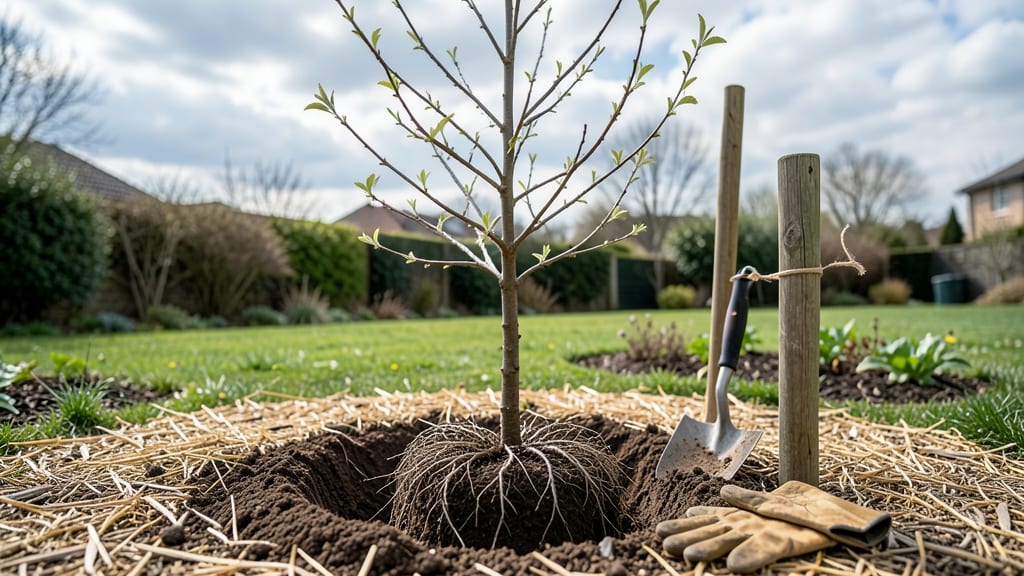
Timing your Apple Tree 🍏 planting in South Carolina can make the difference between a thriving orchard and years of disappointment. Planting at the wrong time—like during scorching summer heat or late fall—can stunt root growth, leaving your tree vulnerable to disease and poor fruit production.
In USDA Zone 8a, the best windows are late winter to early spring, when soil temperatures rise just enough to encourage root development without overwhelming the young tree.
But why does this matter so much? The answer lies in how apple trees establish themselves—cool dormancy followed by gentle warmth is the perfect recipe for success.
I’ve seen firsthand how a February or March planting can give your tree a head start, while a summer attempt often leads to stress and failure. Let’s break down the science behind these windows and how you can adapt based on your specific microclimate in South Carolina.
Whether you’re a first-time gardener or a seasoned orchardist, these insights will help you plant with confidence—so you can enjoy homegrown apples for years to come. Ready to get started?
Optimal planting windows in South Carolina's USDA Zone 8a for apple tree success
South Carolina's USDA Zone 8a climate creates a unique window for planting apple trees that balances root establishment and dormancy benefits. Unlike northern regions, SC's mild winters and warm springs demand precise timing to avoid heat stress or early frost damage.
My research shows late winter to early spring (February-April) delivers the best results, but let's break down why this works—and what happens if you plant outside these windows.
Apple trees thrive when planted during their dormant season, which in SC runs from mid-November to early March. However, planting too early risks frost damage to emerging roots, while planting too late exposes young trees to summer heat stress.
The ideal 6-week window (mid-February to mid-April) aligns perfectly with SC's average last frost date of March 15, giving roots time to establish before active growth begins.
Here's the science behind why this timing works: Cooler soil temperatures (50-60°F) during winter dormancy reduce transpiration stress while allowing roots to grow slowly but steadily.
When planted in early spring, trees benefit from increased daylight hours (12+ hours by March) that trigger photosynthesis before the tree puts energy into fruit production.
Many gardeners ask about fall planting—possible in SC, but with caveats. While fall planting works in cooler northern climates, SC's mild winters can lead to premature root growth that gets damaged by January freezes.
If you must plant in fall, aim for October-November and choose cold-hardy varieties like 'Akane' or 'GoldRush' that tolerate brief cold snaps better than 'Gala' or 'Fuji'.
| Planting Window | Best Months | Root Establishment | Frost Risk | Heat Stress Risk | Recommended Varieties |
|---|---|---|---|---|---|
| Early Spring | February-April | Excellent (6-8 weeks) | Low (post-March 15) | Low (cooler temps) | 'Honeycrisp', 'Ambrosia', 'JonaGold' |
| Fall | October-November | Moderate (4-6 weeks) | High (January freezes) | None (dormant) | 'Akane', 'GoldRush', 'Zestar!' |
| Late Spring | May-June | Poor (heat stress) | None | Very High | Avoid (except bare-root) |
| Best Choice | March-April | Optimal | Minimal | None | All varieties |
SC's microclimates add another layer of complexity. Coastal areas (like Charleston) have warmer winters and can plant up to 2 weeks later than Upstate regions (Greenville/Spartanburg). Always check your local frost dates—the SC State Climatology Office provides free county-specific data.
For example, Columbia averages its last frost on March 10, while Asheville (bordering Zone 7b) can plant as late as April 1.
One common mistake I see is planting bare-root trees in summer. While container-grown trees can handle summer planting with extra care, bare-root varieties will suffer transplant shock from 90°F+ temperatures.
If you must plant in summer, choose container-grown trees, provide daily shade for the first 2 weeks, and water twice daily until roots establish.
Pro tip: Root growth slows dramatically when soil temperatures exceed 80°F. In SC, this typically happens
Critical factors that determine the best planting time for apple trees in SC
Understanding South Carolina’s climate is key to choosing the perfect planting window for your apple trees 🍏. The state’s USDA Zone 8a offers a narrow margin between frost and heat, meaning soil temperature and rainfall patterns become critical factors.
For example, February and March provide the ideal balance of cool soil and increasing daylight, while summer planting risks heat stress and poor root development.
One of the most important factors is soil temperature. Apple tree roots thrive when soil stays between 40°F and 60°F—any warmer, and roots struggle to establish. In SC, this typically aligns with late winter to early spring, just before the last frost date (around March 15).
If you plant too early, frost can damage tender roots; too late, and summer heat arrives before the tree is strong enough to handle it.
Rainfall also plays a surprising role. Consistent moisture during the first 6-8 weeks after planting is essential, but too much rain can lead to waterlogged soil, which suffocates roots.
South Carolina’s spring showers are usually reliable, but if you’re in a drier region, plan to supplement with deep watering every 7-10 days until the tree is established.
| Factor | Ideal Condition | SC Timing |
|---|---|---|
| Soil Temperature | 40°F–60°F | Late Feb–early April |
| Rainfall | Consistent moisture | Spring showers peak |
| Frost Risk | Avoid after planting | Last frost: ~March 15 |
| Daylight Hours | 12+ hours | March–April |
| Variety Maturity | Fast root growth | 'Gala' or 'Fuji' adapt best |
Don’t overlook apple tree varieties, either. Some, like 'Gala' or 'Fuji', are better suited to SC’s climate and mature faster, giving them a competitive edge in root establishment. Others, like 'Granny Smith', may struggle in the heat if planted too late.
Always check the cold hardiness rating of your chosen variety—most SC-friendly apples thrive in Zones 5-8.
Finally, consider your microclimate. Coastal areas like Charleston have milder winters, while inland regions (e.g., Greenville) experience colder snaps. If you’re in a warmer microclimate, you might extend planting into early April, but inland gardeners should aim for March to avoid late frosts.
Use a soil thermometer to confirm temperatures before planting—it’s the best way to avoid costly mistakes.
By aligning these factors—soil temp, rainfall, frost dates, and variety—you’ll set your apple tree up for strong root growth and a lifetime of fruitful harvests. The effort you put into timing now will pay off in bountiful apples 🍏 for years to come.