
Planting
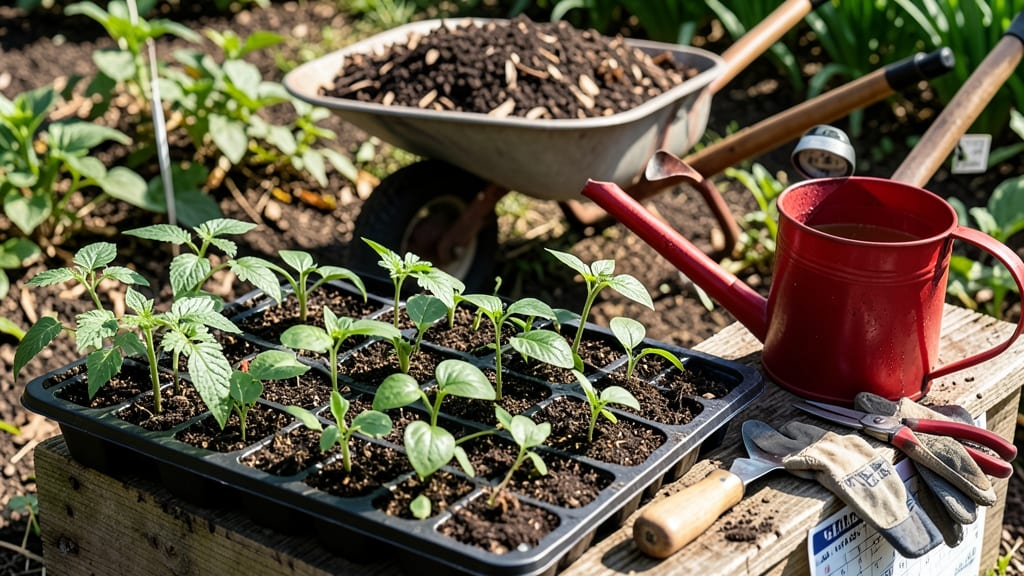
Timing your Alabama garden planting wrong could mean wilting dreams before your first harvest—especially when frost dates shift by weeks between Huntsville’s hills and Mobile’s coast.
The key to success lies in knowing when to tuck seeds into warm soil versus when to brave early spring’s chilly whims, all while dodging Alabama’s infamous humidity and pests.
I’ve spent years watching Alabama gardens flourish (and flop) based on planting schedules, and what I’ve learned is this: your county’s last frost date isn’t just a number—it’s the difference between a bumper crop of tomatoes and a sad, leggy disappointment.
Whether you’re in the 7a-8b zones or coastal areas with milder winters, the right timing ensures your 🌱 General Alabama Garden thrives year after year.
From late February to early April for cool-season crops and August-September for fall plantings, we’ll break down exactly when to start seeds, transplant seedlings, and adjust for Alabama’s microclimates. No more guessing—just science-backed schedules tailored to your backyard’s quirks.
Ready to turn your Alabama garden into a high-yielding powerhouse? Let’s dive into the perfect planting calendar for your county, so you can harvest confidence (and delicious veggies) all season long.
Alabama planting calendar by county: frost dates & best months for vegetables
Alabama’s gardening seasons vary dramatically from the cool mountain regions of North Alabama (like Madison County) to the humid coastal plains of South Alabama (like Baldwin County). These differences mean your planting timeline should shift based on USDA Zones 7a-8b and local frost patterns.
For most of Alabama, the last spring frost typically occurs around March 15, while the first fall frost arrives near November 15—but these dates can shift by weeks depending on elevation and proximity to water bodies.
Cool-season crops like broccoli, lettuce, and spinach thrive when planted 4-6 weeks before your last frost date. In North Alabama, that means starting seeds indoors by early February or sowing directly in late February to early March.
Meanwhile, warm-season crops like tomatoes, peppers, and squash need to wait until 2-3 weeks after the last frost, usually mid-April in the north and early March in the south. Coastal areas like Mobile can even plant some warm-season crops as early as February 15.
Key frost-free windows by region:
- North Alabama (Huntsville, Decatur): Last frost March 20-25, first frost November 5-10
- Central Alabama (Birmingham, Montgomery): Last frost March 10-15, first frost November 10-15
- South Alabama (Mobile, Dothan): Last frost February 28 - March 5, first frost November 20-25
🌱 Alabama Planting Calendar by Region
| Region | Last Frost | Cool-Season Planting | Warm-Season Planting | Fall Planting Window |
|---|---|---|---|---|
| North Alabama (USDA 7a) | March 20-25 | Late Feb - Early Mar | Mid-Apr - Early May | Aug 15 - Sep 15 |
| Central Alabama (USDA 7b-8a) | March 10-15 | Early Feb - Mid-Mar | Late Mar - Early Apr | Aug 1 - Sep 10 |
| South Alabama (USDA 8a-8b) | Feb 28 - Mar 5 | Late Jan - Early Feb | Feb 15 - Mar 10 | Jul 20 - Aug 30 |
📌 Pro Tip: Use row covers in North Alabama to extend cool-season planting by 2-3 weeks.
For leafy greens and root vegetables, aim to harvest before summer heat sets in. In North Alabama, this means planting spinach and radishes in February and kale in March for a spring harvest.
In South Alabama, you can even squeeze in a winter crop of lettuce in December if you use lightweight row covers to protect from light frosts.
Warm-season crops like okra and sweet potatoes should be planted as soon as soil temperatures reach 65°F, which typically happens by mid-April in the north and early March in the south.
Alabama’s humid summers can stress plants, so plan for fall planting of heat-sensitive crops like broccoli and cabbage. In North Alabama, start seeds indoors by July 1 for a fall harvest before the first frost.
South Alabama gardeners have until August 15 to plant cool-season crops for a winter harvest. Succession planting is key—sow bush beans every 2 weeks from April through July to ensure a continuous supply.
Don’t overlook perennial crops like asparagus and rhubarb, which should be planted in early spring (March) or early fall (September) for establishment. These crops need 2-3 years to mature, so timing matters.
In South Alabama, you can even plant strawberries in fall (October) for an early spring harvest, while North Alabama gardeners should wait until early spring (March) to avoid winter dieback.
Soil temperature is just as critical as air temperature. Use a soil thermometer to confirm when to plant warm-season crops—tomatoes and peppers won’t germinate well below 60°F.
In North Alabama, wait until soil warms to 65°F (usually mid-April), while South Alabama can plant as early as mid-March. Direct sowing corn and squash when soil reaches 70°F for best germination rates.
🌱 Regional adjustments: Coastal areas (like Mobile) have
How to adjust planting times for Alabama’s microclimates: heat zones & soil prep
Alabama’s climate varies dramatically from its coastal plains to its Appalachian highlands, meaning a one-size-fits-all planting schedule won’t work. In North Alabama’s USDA Zone 7a, frost can linger until April 15, while South Alabama’s Zone 8b often sees frost-free conditions by March 1.
These differences create microclimates where even neighboring counties may have 2-3 week planting windows. Understanding your specific heat zone and soil type is key to avoiding common mistakes like overwatering clay soils in Huntsville or underwatering sandy soils in Mobile.
Soil temperature is another critical factor—most warm-season crops like tomatoes and peppers need soil at 60°F+ to germinate, while cool-season crops like lettuce and spinach thrive in 50-60°F ranges.
Use a soil thermometer to check temperatures before planting; in Alabama, this typically means waiting until mid-April for warm-season starts in North Alabama and early March in South Alabama. For cooler areas like Madison County, consider using row covers to extend your planting window by 2-4 weeks.
🌱 Adjusting for Alabama’s Microclimates
- ✅ Test soil temp before planting warm-season crops
- ✅ Use raised beds in clay-heavy North Alabama
- ✅ Plant heat-tolerant varieties in South Alabama
- ✅ Mulch to retain moisture in sandy soils
- ❌ Plant warm crops too early in Zone 7a (risk frost)
- ❌ Overwater clay soils (leads to root rot)
- ❌ Ignore coastal humidity (increases fungal diseases)
- ❌ Skip soil prep in high-altitude areas
One of the biggest mistakes gardeners make in Alabama is planting warm-season crops like cucumbers or squash before the last frost date. In North Alabama’s Black Belt region, where frost can linger until April 30, planting too early often results in bolted greens or stunted growth.
To avoid this, use cold frames or greenhouse trays to start seeds indoors 4-6 weeks before your last frost date. For South Alabama’s Wiregrass region, where frost is rare, focus on heat-tolerant varieties like Okra or Sweet Potatoes, which thrive in the region’s longer growing season.
Soil type also dictates your planting schedule. In North Alabama’s clay-heavy soils, water drains slowly, which can delay planting until soils warm up enough to avoid waterlogged roots. Amend these soils with compost or sand to improve drainage.
Meanwhile, South Alabama’s sandy soils warm up faster but dry out quickly, so mulch heavily to retain moisture.
A simple soil test can reveal your pH and nutrient levels—aim for a pH of 6.0-7.0 for most vegetables and 5.5-6.5 for blueberries and azaleas, which are popular in Alabama’s Appalachian region.
For gardeners in transition zones like Birmingham or Montgomery, where frost dates vary by neighborhood, pay attention to local microclimates. A south-facing slope will warm up faster than a north-facing yard, allowing you to plant 2-3 weeks earlier in those spots.
Similarly, urban areas with concrete or pavement can create "heat islands" where soil temperatures rise faster—ideal for early planting of warm-season crops. Always monitor your specific conditions and adjust your schedule accordingly.
Finally, don’t overlook the benefits of succession planting to maximize your Alabama garden’s productivity. In North Alabama’s shorter growing season, plant fast-maturing crops like bush beans or radishes every 2 weeks from April to July.
In South Alabama’s longer season, you can extend planting into late summer for crops like collard greens or turnips, which thrive in cooler fall temperatures. With these adjustments, you’ll turn Alabama’s diverse climate into an advantage for a bountiful, year-round harvest.
🌿