
Plants
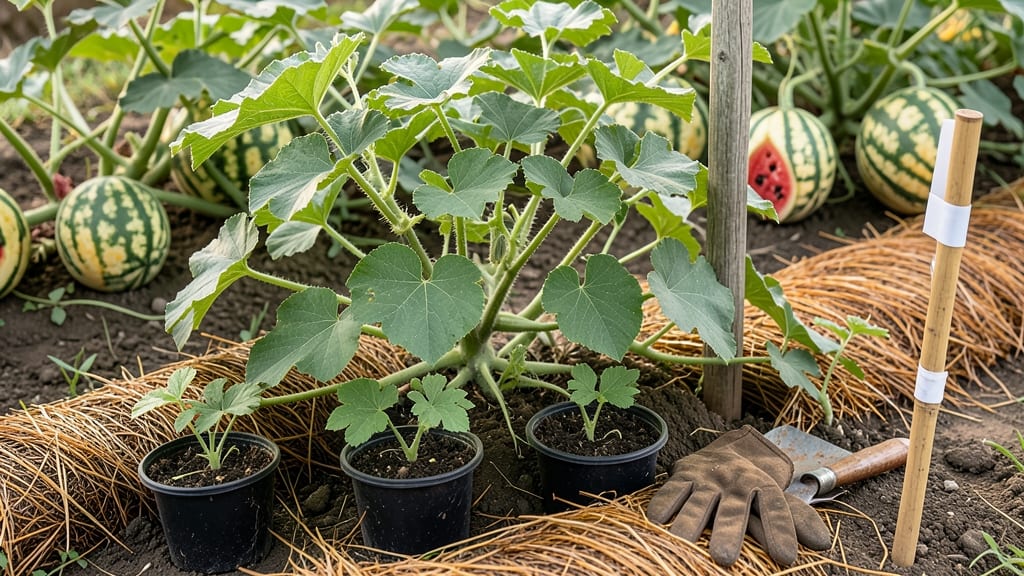
Planting watermelons in Alabama at the wrong time can mean the difference between a juicy harvest and a total flop—especially when summer heat and early frosts play such a big role.
Whether you're in North Alabama's cooler hills or South Alabama's balmy coastal plains, getting those seeds in the ground at the right moment is everything for sweet, vine-ripened results.
I’ve spent years growing melons 🌱 in Alabama’s varied climates, and the key isn’t just about waiting for spring—it’s about knowing your last frost dates and soil temperatures.
Too early, and a late freeze will wipe out your crop; too late, and you’ll miss the peak growing window before the dog days of summer set in. Let me break down the exact planting schedule you need, tailored to your region’s unique conditions.
You’ll discover the best time to start seeds indoors (if you choose that route), the ideal soil prep for Alabama’s clay-heavy soils, and how to stretch your growing season with simple tricks.
Plus, I’ll share which watermelon varieties thrive best in each part of the state—because not all melons handle Alabama’s heat the same way.
Ready to grow watermelons that rival the ones at the farmers' market? Let’s dive into the step-by-step planting guide that’ll have you harvesting homegrown sweetness by midsummer.
Alabama watermelon planting deadlines by region (avoid frost & heat stress)
Alabama’s varied climate means North Alabama gardeners face earlier frost risks than those in South Alabama. For North Alabama (USDA Zones 6b-7a), aim to plant watermelon seeds after your last frost date, typically April 15-May 1.
In Central Alabama (Zones 7b-8a), you can start as early as March 20-April 15, while South Alabama (Zones 8a-9a) enjoys a longer window from March 1-March 31.
Watermelons thrive when soil temperatures reach 70°F or higher. Use a soil thermometer to confirm—cold soils delay germination. In North Alabama, wait until late April or early May, while South Alabama can plant as soon as late February if using row covers for early starts.
Here’s a quick reference for Alabama’s three key regions, including frost-free deadlines and ideal planting windows:
| Region | Last Frost Date | Ideal Planting Window | Soil Temp Requirement | Notes |
|---|---|---|---|---|
| North Alabama (Zones 6b-7a) | April 15-May 1 | May 1-May 15 | 70°F+ | Use black plastic mulch to warm soil faster. |
| Central Alabama (Zones 7b-8a) | March 20-April 15 | March 20-April 30 | 65°F+ | Black Belt region benefits from rich, fertile soil. |
| South Alabama (Zones 8a-9a) | February 15-March 1 | March 1-March 31 | 60°F+ (with row covers) | Longer growing season allows for fall plantings too. |
For North Alabama, consider starting seeds indoors 4-6 weeks before your last frost date if you’re eager to get a head start. Transplant seedlings outdoors only after soil warms to 70°F, typically by late May.
In Central and South Alabama, direct seeding is often preferred to avoid transplant shock, especially for heat-loving varieties like ‘Crimson Sweet’.
Alabama’s Black Belt region (Central Alabama) offers the best conditions for watermelons due to its fertile, well-drained soils. If you’re in this area, you can even plant a second crop in late June for a fall harvest.
Just ensure vines have enough space to sprawl—watermelons need 3-6 feet of diameter per plant.
Watch for unpredictable late frosts, especially in North Alabama. Use frost cloth or row covers if planting early. In South Alabama, extreme heat in July can stress plants, so provide shade cloth during peak afternoons if temperatures exceed 95°F.
Pro tip: Plant watermelons near bush beans or corn to improve soil fertility naturally. Avoid planting near potatoes or squash, as they compete for nutrients and attract similar pests.
Always check your local Alabama Extension office for county-specific frost dates, as microclimates can vary even within regions. For example, Huntsville may frost later than Birmingham, despite being in the same general zone.
🌱
Step-by-step watermelon planting schedule for Alabama gardens
Now that you know the ideal planting windows for your Alabama region, let’s break down the exact steps to get your watermelon seeds in the ground—or transplanted—with confidence. Watermelons thrive when planted after the last frost, but they also need warm soil to germinate properly.
In Alabama, this usually means waiting until late April to early May in North Alabama, and as early as mid-March in South Alabama. Here’s how to prepare and plant for success.
Start by testing your soil’s temperature with a soil thermometer—watermelon seeds need soil that’s at least 70°F to germinate. If your soil is still cool, consider using black plastic mulch to warm it up faster.
This is especially important in Central Alabama’s Black Belt, where clay-heavy soils can stay cold longer. Once the soil is ready, you have two options: direct seeding or transplanting seedlings. Most Alabama gardeners prefer direct seeding for watermelons, as they dislike being transplanted.
📋 Step-by-Step Watermelon Planting Schedule
- Prep the Soil: Test soil pH (aim for 6.0-6.8) and amend with compost or aged manure. Watermelons love rich, well-draining soil.
- Choose Your Method: Direct seed after last frost or transplant 2-3 week old seedlings (if soil is warm enough).
- Plant Seeds: Sow seeds 1 inch deep, spacing them 6 inches apart in rows 5-6 feet apart.
- Apply Mulch: Use straw or black plastic mulch to retain moisture and suppress weeds.
- Water Deeply: Keep soil consistently moist (not soggy) for 2-3 weeks until germination.
- Thin Seedlings: Once sprouts appear, thin to 1 plant per hill, spacing hills 3-4 feet apart.
- Fertilize Lightly: Side-dress with 5-10-10 fertilizer when vines start running.
- Train Vines (Optional): Use trellises for bush varieties like ‘Sugar Baby’ to save space.
If you’re planting in North Alabama, where nights can still dip below 50°F in May, use row covers to protect young plants until they’re established. For South Alabama, you can push planting even earlier (late February to early March) if you’re growing heat-tolerant varieties like ‘Crimson Sweet’.
Just be mindful of potential late frosts in areas like Madison or Huntsville—check your local Alabama Cooperative Extension frost dates for precision.
Once your watermelons are in the ground, focus on consistent watering—especially during fruit development. Water deeply in the morning to prevent fungal diseases, and avoid wetting the leaves. In Alabama’s humid summers, mulching is a game-changer; it keeps roots cool and reduces evaporation.
For container growing, use large pots (at least 15 gallons) and ensure they have drainage holes to prevent root rot.
Pro tip: Plant watermelons near bush beans or corn to improve soil fertility, but avoid planting them near potatoes or squash to prevent disease spread.
By following this schedule, you’ll give your watermelons the best start possible, setting the stage for a harvest of sweet, homegrown melons by late July or August in most of Alabama.
With the right timing and care, your watermelon patch will thrive—just imagine slicing into a homegrown, Alabama-grown watermelon on a hot summer day! 🍉