
Planting
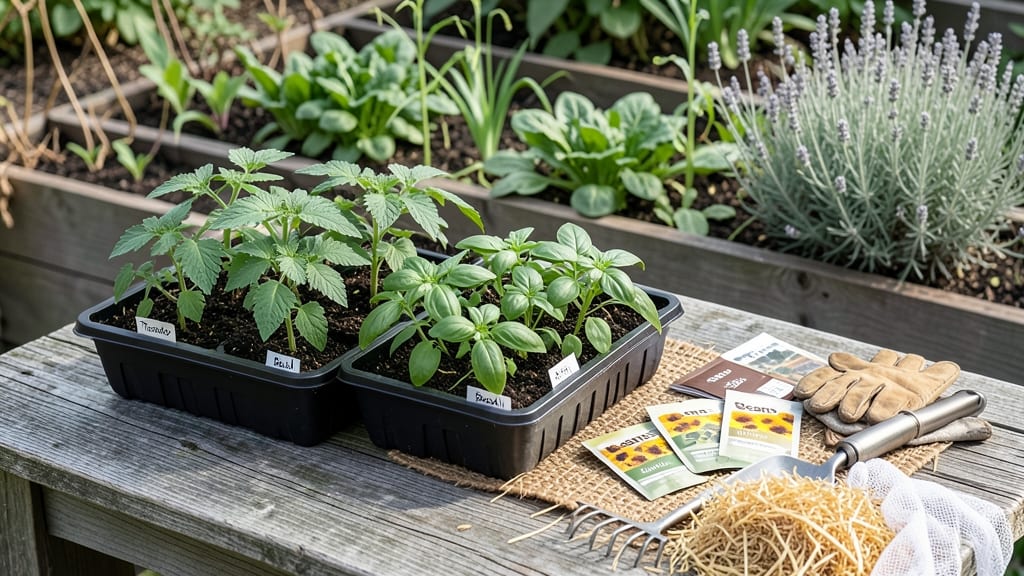
Knowing when to plant garden in Zone 7 can transform your gardening from a guessing game to a reliable, bountiful success. With 210 frost-free days to work with, timing isn't just about luck—it's about strategy.
Whether you're dreaming of juicy tomatoes or crisp lettuce, planting at the right moment ensures your 🌱 General Garden Plants thrive from the first seedling to harvest.
In Zone 7, the last frost typically arrives around March 15, signaling the perfect window to start cool-season crops like peas and spinach. But don't stop there—understanding the nuances of your region (whether you're in the Piedmont or Coastal Plain) can make all the difference.
The key? Planting warm-season favorites like peppers and eggplants 2-4 weeks before the last frost or after it for direct sowing.
This guide breaks down everything you need to know—from exact frost dates to month-by-month planting schedules. You'll learn how to stretch your growing season, avoid common mistakes, and even push the limits with row covers and cold frames.
No more wasted seeds or missed harvests—just a garden that grows stronger and more abundant.
Ready to turn your gardening dreams into reality? Let's dive into the precise timing and tips that will have your Zone 7 garden flourishing all season long. Your future harvests are waiting!

Zone 7 frost dates and last-first planting windows by month
Understanding your Zone 7 frost dates is the foundation of successful gardening. In this zone, the average last spring frost typically falls between March 15 and April 15, while the first fall frost usually arrives September 15 to November 15.
These dates create a 210-day growing season, but exact timing varies by region—coastal areas may have later frosts, while inland zones can experience earlier cold snaps.
For cool-season crops like lettuce, spinach, and peas, you’ll want to plant 4-6 weeks before your last frost date. Meanwhile, warm-season crops such as tomatoes, peppers, and cucumbers should go in 2-4 weeks after the last frost or start indoors 6-8 weeks before transplanting.
Missing these windows can stunt growth or kill tender plants overnight.
Here’s a quick reference for your Zone 7 planting calendar, broken down by month and crop type to keep your garden thriving year-round.
| Month | Last Spring Frost | First Fall Frost | Cool-Season Crops | Warm-Season Crops |
|---|---|---|---|---|
| February | Possible light frost | N/A | Spinach, kale (hardy varieties) | Start indoors: Tomatoes, peppers |
| March | March 15 (avg.) | N/A | Peas, lettuce, radishes | Transplant warm crops after frost |
| April | April 15 (avg.) | N/A | Broccoli, carrots, onions | Direct sow: Beans, cucumbers |
| May | N/A | N/A | Late plantings: Swiss chard | Squash, okra, basil |
| September | N/A | September 15 (avg.) | Kale, spinach, radishes | Late tomatoes, peppers (with protection) |
| October | N/A | October 15 (avg.) | Garlic, winter lettuce | N/A (too cold for warm crops) |
Pro tip: Use row covers or cold frames to extend your planting windows by 2-4 weeks in early spring or late fall. For example, you can plant spinach in February under protection, even if frost is still possible. Just monitor weather forecasts—unpredictable late frosts can still damage tender seedlings.
If you’re in a coastal Zone 7 area (like North Carolina’s Outer Banks), your frost dates may shift 1-2 weeks later than inland regions. Check local weather stations or use the USDA Plant Hardiness Zone Map to fine-tune your schedule.
For instance, Asheville’s last frost is often April 1, while Raleigh’s is March 20—a 2-week difference that matters for warm-season crops.
For perennials and trees, timing matters too. Plant bare-root trees in late fall or early spring (November–March) to give roots time to establish before summer heat. Herbs like rosemary and thyme thrive when planted in early spring or fall, avoiding the stress of summer’s peak temperatures.
Don’t forget to harden off seedlings before transplanting—gradually expose them to outdoor conditions over 7-10 days to prevent shock. This is especially critical for tomatoes and peppers, which can wilt dramatically if moved too quickly from indoor warmth to the garden’s cooler nights.
Track your local frost dates for 3-5 years to spot trends—some years, the last frost arrives as late as May 1, while others see it as early as March 1. Adjust your planting dates accordingly, and always keep emergency row covers on hand for unexpected cold snaps.
🌱
Best crops to plant in Zone 7 by season (with exact timing)
Planting the right crops at the right time in Zone 7 means the difference between a bountiful harvest and a wasted season. Unlike cooler zones, Zone 7 offers a longer growing window—but you still need to time your plantings perfectly to avoid frost damage or bolting.
Let’s break down the best crops for each season and their critical planting dates to maximize your garden’s potential.
Spring is your golden window for cool-season crops like leafy greens and root vegetables, while summer thrives with heat-loving plants like tomatoes and peppers. Even fall can yield hardy crops if planted at the right time.
I’ll give you the exact months to plant, along with deadline reminders so you don’t miss the boat.
🌱 Pro Tip: Use row covers or cold frames to extend your planting windows by 2-4 weeks in early spring or late fall. This is especially useful for warm-season crops like peppers that need a long, frost-free period.
🌿 Zone 7 Planting Timeline by Season
- 🌱 Early Spring (Feb–March): Peas, spinach, lettuce, onions, carrots. Plant 4-6 weeks before last frost (mid-March).
- ☀️ Late Spring (April–May): Tomatoes, peppers, cucumbers, basil, squash. Start seeds indoors 6-8 weeks before last frost or direct sow after.
- 🌞 Summer (June–July): Okra, sweet potatoes, beans, corn. Plant after soil temps reach 60°F+.
- 🍂 Fall (August–September): Kale, broccoli, radishes, beets. Sow 8-10 weeks before first frost (mid-November).
For warm-season crops like tomatoes and peppers, timing is everything. These plants won’t tolerate frost, so I recommend starting seeds indoors 6-8 weeks before your last frost date (typically mid-March in Zone 7).
If you’re direct sowing, wait until mid-April when soil temps are consistently above 60°F. Miss this window, and you’ll risk stunted growth or failed crops.
Cool-season crops, on the other hand, thrive in cooler temps and can even handle light frosts. Think spinach, lettuce, and radishes—these are perfect for early spring (February–March) or fall (August–September).
The key is to plant them early enough to harvest before the first frost (usually mid-November). For example, spinach sown in late August will be ready to harvest by October, giving you fresh greens well into fall.
Don’t overlook succession planting—this is how I double my harvest with crops like lettuce and bush beans. Instead of planting all at once, sow small batches every 2 weeks from April through July.
This ensures a steady supply of fresh produce and prevents overwhelming your garden with one massive harvest. It’s a game-changer for busy gardeners!
Finally, herbs like basil and cilantro have their own ideal windows. Basil hates cold, so wait until after the last frost (mid-April) to plant. Cilantro, however, bolts in heat, so it’s best sown in early spring (March) or late summer (August) for a fall harvest.
Paying attention to these nuances will keep your herbs flavorful and productive all season long.