
Trees
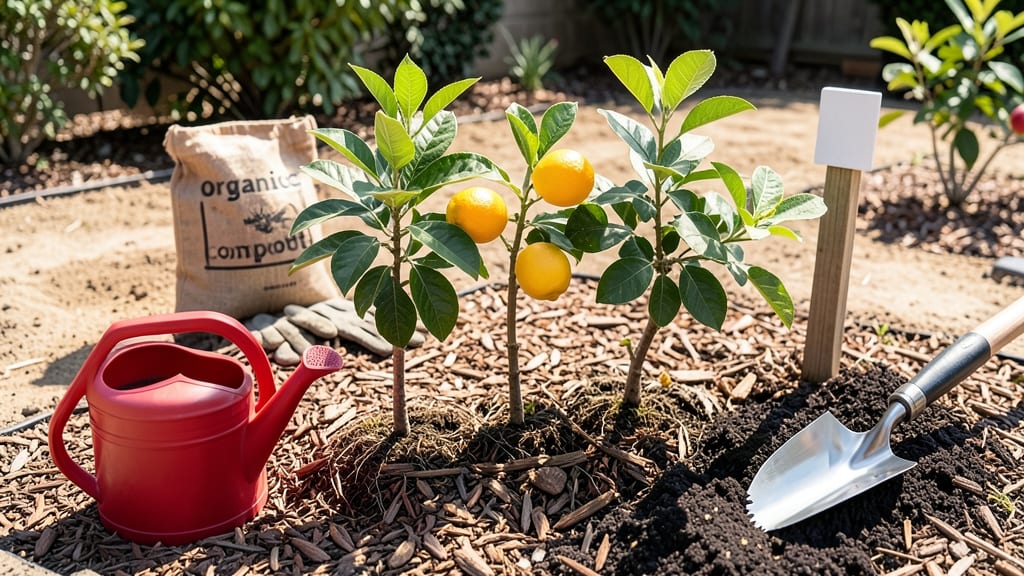
Timing your fruit tree planting in Southern California isn't just about the season—it's about understanding your microclimate's quirks, from coastal fog to inland heat. Whether you're dreaming of juicy oranges or creamy avocados, getting the schedule right means the difference between a thriving orchard and years of frustration.
I've seen firsthand how a single month can make or break a fruit tree's success in SoCal. The coastal areas near Santa Barbara have different rules than the desert zones around Palm Springs, and even Los Angeles' urban heat islands create their own challenges.
Let me show you exactly when to plant each variety for maximum growth potential.
We'll break down the ideal planting windows for citrus, stone fruits, and avocados while addressing critical factors like frost sensitivity and soil preparation. No more guessing games—just science-backed timing that works for your specific corner of Southern California.
Ready to set your fruit trees up for a lifetime of harvests? Let's dive into the planting calendar that actually matches your local conditions, so you can enjoy homegrown fruit sooner than you think.
Southern California fruit tree planting calendar: best months by variety
Southern California’s mild winters and long growing seasons make it a paradise for fruit trees, but timing is everything. Plant too early, and your tree may face frost damage in coastal areas.
Plant too late, and roots won’t establish before summer heat. The key is understanding your microclimate zone—whether you’re in frost-prone Santa Barbara, hot inland valleys, or desert regions like Palm Springs.
For most fruit trees in Southern California, the ideal planting window is late winter through early spring. This gives roots time to establish before the summer heat stress kicks in.
However, citrus and avocados—two staples of SoCal gardens—have slightly different needs due to their sensitivity to cold and water requirements.
Here’s a quick breakdown of the best planting months for popular fruit trees, tailored to Southern California’s diverse zones:
| Fruit Tree Variety | Best Planting Months | Key Considerations | Microclimate Notes |
|---|---|---|---|
| Citrus (Oranges, Lemons, Limes) | February–April | Soil pH 6.0–7.0, well-draining soil, no frost risk | Coastal areas: Plant after last frost date (usually late Feb). Inland: Early Feb to avoid Santa Ana winds. |
| Avocados | March–May | Warm soil (70°F+), drought-tolerant once established, full sun | Desert zones: Plant in spring to avoid summer heat stress. Coastal: March–April for root establishment. |
| Stone Fruits (Peaches, Plums, Cherries) | November–February | Dormancy period required, chilling hours (300–700) for fruit set | High-altitude areas (e.g., San Bernardino Mountains): Plant in late fall for winter chilling. Coastal: February to avoid late frosts. |
| Figs | February–March | Fast-growing roots, drought-resistant, tolerates poor soil | Urban areas: Plant in early spring to establish before summer. Desert: March for heat acclimation. |
| Pomegranates | March–April | Heat-loving, low water needs, full sun | Inland valleys: Plant in spring to avoid winter dieback. Coastal: April to prevent root rot from fog. |
| Persimmons | November–January | Cold-hardy, slow to establish, needs well-draining soil | Cooler inland areas: Plant in late fall for winter chilling. Coastal: January to avoid frost. |
Citrus trees, like lemon and orange varieties, thrive when planted in February or March. This timing ensures they avoid late winter frosts that can damage tender new growth.
For coastal areas like Malibu or Santa Barbara, where frosts are rare, you can push planting to late February. Inland areas like San Fernando Valley should wait until March to minimize frost risk.
Avocados are a Southern California staple, but they demand warm soil to thrive. Plant them in March or April when soil temperatures consistently reach 70°F or higher.
Desert regions like Palm Springs can plant as early as February, while coastal areas should wait until April to avoid root rot from cooler, foggy conditions.
Stone fruits, including peaches, plums, and cherries, have a dormancy requirement and need chilling hours to produce fruit. In cooler inland areas like Pasadena or Temecula, plant in November or December to satisfy their chilling needs. Coastal areas with milder winters should plant in January or February to avoid late frosts that can harm blossoms.
Figs and pomegranates are low-maintenance options for SoCal gardens
Microclimate-specific planting tips for Southern California’s zones
Southern California’s diverse microclimates mean planting times vary dramatically from coastal Santa Barbara to inland Los Angeles and desert Palm Springs. Understanding these zones helps you avoid common pitfalls like frost damage or heat stress in young trees.
The coastal zone (e.g., Malibu, Santa Barbara) enjoys mild winters with minimal frost risk, allowing year-round planting for frost-sensitive trees like citrus and avocados. However, Santa Ana winds can dry out soil—so always water deeply before and after planting.
Inland valleys (e.g., San Fernando Valley, Riverside) experience hotter summers and occasional light frosts in winter. Here, late winter to early spring (February–March) is ideal for most stone fruits and figs, while citrus can go in fall or early winter to establish roots before summer heat.
The desert zone (e.g., Palm Springs, Joshua Tree) demands extra caution—plant only in late fall or early spring to avoid intense summer heat. Drip irrigation is a must here, as sandy soils drain water quickly. Pomegranates and persimmons thrive here but need well-draining soil to prevent root rot.
Urban heat islands (e.g., downtown LA, San Diego) can raise soil temperatures by 10–15°F, stressing young trees. Shade cloth during summer and mulch to retain moisture are key strategies. High-altitude areas (e.g., Big Bear, Wrightwood) may experience colder microclimates, delaying planting until late spring for frost-sensitive varieties.
Even within these zones, elevation changes matter—planting at 3,000 feet may require a 2–4 week delay compared to sea level. Always check local frost dates and soil temperature (aim for 60°F+) before planting. With these adjustments, your fruit trees will thrive year after year.