
Plants
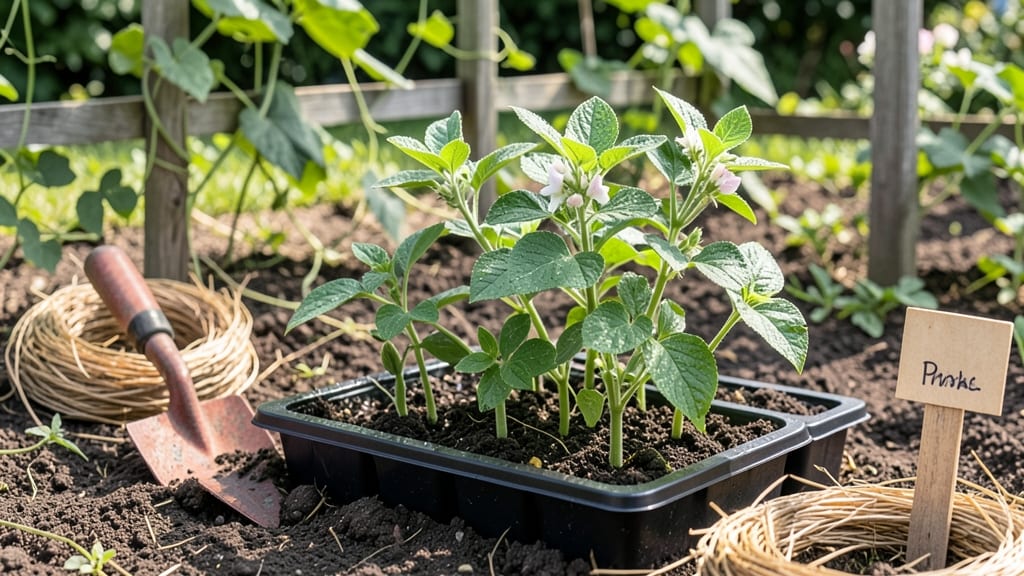
Timing your beans 🌱 planting in Southern California could mean the difference between a bumper crop and a disappointing harvest. With frost-free zones like 9b-11, you’ve got flexibility—but planting at the wrong time still risks heat stress or stunted growth.
Most gardeners know spring is prime time, but did you know coastal areas can start as early as February, while inland desert zones wait until March? The key is soil temperature—wait until it hits 60°F—and choosing the right variety for your microclimate.
In this guide, I’ll break down the best months for bush and pole beans, how to extend your harvest season, and pro tips to avoid common mistakes. Whether you’re a first-timer or a seasoned gardener, these insights will help you grow bold, sweet beans all year long.
Let’s dive into the perfect planting schedule tailored just for SoCal’s unique growing conditions.
Best planting months for beans in Southern California by variety
Southern California’s mild winters and long growing season make it possible to grow beans almost year-round, but timing matters for the best harvests. Unlike northern climates, you won’t face frost risks in most areas (except rare desert cold snaps), but soil temperature and heat waves dictate the ideal windows.
For bush beans and pole beans, focus on February-March for spring planting and September-October for fall crops.
Your USDA zone (9b-11) plays a role too—coastal areas like Santa Barbara and San Diego can plant slightly earlier than inland desert regions like Palm Springs. Always check soil temps before planting; beans thrive when soil reaches 60°F+.
Use a soil thermometer to confirm—this is especially critical in spring when nights stay cool.
Here’s your quick guide to planting beans by variety in SoCal:
| Variety | Best Planting Months | Soil Temp Requirement | Notes for SoCal |
|---|---|---|---|
| Bush Beans (e.g., Blue Lake, Roma) | Feb-Mar (spring) / Sep-Oct (fall) | 60°F+ | Compact; great for containers. Avoid summer planting—heat reduces pod quality. |
| Pole Beans (e.g., Kentucky Wonder, Scarlet Runner) | Feb-Apr (spring) / Aug-Sep (fall) | 65°F+ | Needs trellis; extend season with shade cloth in summer. Runner beans tolerate cooler fall temps. |
| Lima Beans (e.g., Fordhook, Baby Lima) | Mar-Apr (spring) / Sep-Oct (fall) | 70°F+ | Heat-loving; plant after last frost risk. Avoid coastal fog—needs full sun. |
| Snap Peas (e.g., Sugar Snap, Snow Peas) | Jan-Feb (winter) / Sep-Oct (fall) | 55°F+ | Cold-hardy; perfect for winter gardens. Use row covers in desert zones. |
For spring planting, aim to harvest before June heat waves hit. If you plant in April, provide afternoon shade with shade cloth (30-50%) to prevent blossom drop.
In fall, September-October is ideal—beans will mature before winter rains arrive. Desert areas can push fall planting to November, but monitor nighttime temps.
Pro tip: Succession plant every 2-3 weeks in spring/fall to ensure a continuous harvest. For example, sow bush beans in February, then again in March and April. This works especially well for pole beans, which produce for months if trellised properly.
Just remember—never plant beans where tomatoes or other legumes grew the prior year to avoid soil-borne diseases.
Coastal gardeners have an edge with longer growing seasons. In San Diego or Santa Barbara, you can even try winter snap peas (January-February) or early lima beans (March).
Inland areas like Los Angeles or Riverside should focus on spring and fall windows to avoid summer stress. Always check your local microclimate—valleys heat up faster than coastal areas!
One common mistake? Planting too late in spring and ending up with stunted plants due to heat. If your soil temp hits 85°F+, beans will stop producing pods. Use mulch to keep roots cool and water deeply in the morning to maintain moisture levels.
With the right timing, you’ll enjoy fresh beans from May through January—that’s nearly year-round!
🌱
How to extend your bean harvest season in SoCal’s climate
Southern California’s mild winters and long summers let you grow beans almost year-round—but with a few smart tricks, you can maximize your harvests and avoid the heat stress of summer or chilly delays in winter.
The key? Succession planting, seasonal adjustments, and choosing the right varieties for each season.
For spring harvests, start seeds indoors in January and transplant outdoors by February once soil reaches 60°F. This gives you an early jump on the season before temperatures climb. In fall, plant again in September-October to enjoy beans through December-January before winter slows growth.
If you’re growing in coastal areas (like San Diego or Santa Barbara), you can even try winter beans like wax beans or lima beans, which tolerate cooler temps better.
Inland areas (like the Inland Empire or Coachella Valley) may need shade cloth in peak summer to protect plants from heat stress.
- 📅 January-February: Start bush beans indoors or direct-sow outdoors (coastal areas).
- 📅 March-April: Plant pole beans for summer harvests; use shade cloth if temps exceed 85°F.
- 📅 September-October: Sow cold-hardy varieties (e.g., wax beans) for fall/winter harvests.
- 📅 November-December: Plant lima beans in microclimates with mild winters (e.g., coastal gardens).
- 🪴 Spring/Fall: Amend soil with compost and a balanced fertilizer (5-10-10) before planting.
- 💧 Summer: Mulch heavily to retain moisture and cool roots during heatwaves.
- ❄️ Winter: Avoid working wet soil; focus on cover crops to improve soil structure.
- ☀️ Summer: Use 30-50% shade cloth to reduce temps by 10-15°F.
- 🌡️ Winter: Protect plants with row covers if temps dip below 45°F.
- 🌱 Year-Round: Choose drought-tolerant varieties like black turtle beans for inland areas.
Don’t forget to harvest regularly—beans produce more when pods are picked often. In summer, this means checking plants every 2-3 days; in fall/winter, you can stretch harvests by 3-4 weeks with proper care. With these adjustments, you’ll enjoy fresh beans from February through January!
Pro tip: Save seeds from your best-performing plants to create a localized variety that thrives in your specific microclimate. Just let a few pods dry on the vine before storing them in a cool, dry place.