
Plants
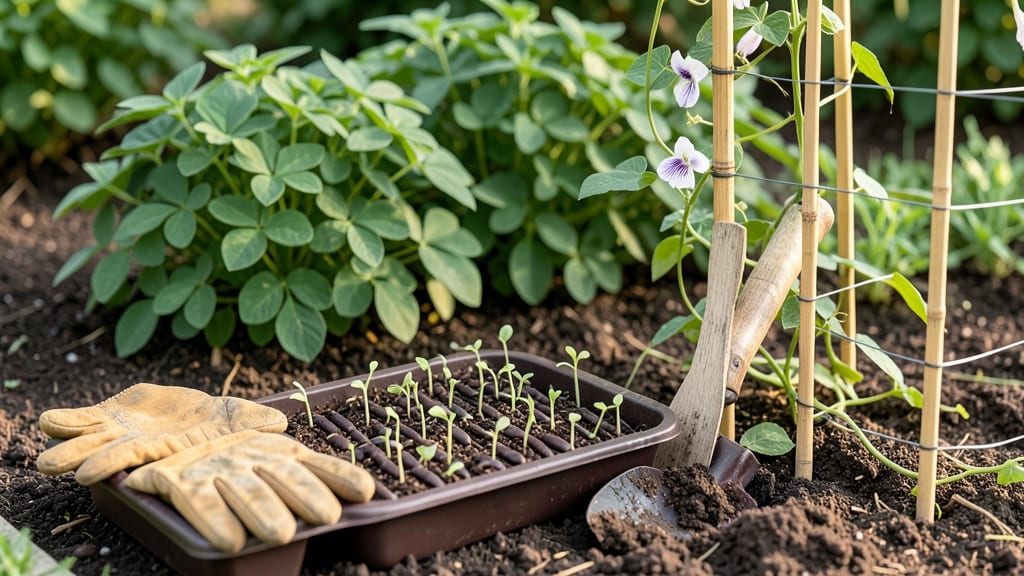
Knowing when to plant beans in Zone 6 could mean the difference between a bumper crop and a patchy garden. These warm-season 🌱 lovers need the right timing—too early, and frost will nip them in the bud; too late, and you’ll miss peak harvest months.
The sweet spot? Waiting until soil hits 60°F, typically after your last frost date (mid-April to early June in most of Zone 6).
But here’s the catch: not all beans thrive under the same schedule. Cold-hardy varieties like ‘Kentucky Wonder’ can handle cooler soils, while heat-lovers like ‘Blue Lake’ demand warmer temperatures.
I’ll break down the best planting windows, soil prep tricks, and even how to stretch your harvest with succession planting—so you’re picking fresh pods from July through September.
Why does this matter? Because beans grow fast—some varieties mature in just 50 days—but they won’t germinate well in cold soil. Skipping this step means slower growth, weaker plants, and fewer pods. Let’s get you planting at the perfect moment for a garden bursting with flavor.
Ready to turn your Zone 6 garden into a bean bonanza? I’ll walk you through the exact dates, soil tests, and variety picks so you can start sowing with confidence. No more guesswork—just a harvest you’ll actually enjoy.

Optimal planting windows for beans in Zone 6 (with exact dates)
In Zone 6, beans thrive when planted after the last frost date—typically between mid-April and early June—but the real secret lies in soil temperature.
Beans need soil at least 60°F to germinate properly. Using a soil thermometer ensures you don’t plant too early and risk slow, uneven sprouting.
For bush beans, aim for planting between April 20 and May 15, while pole beans can handle slightly later dates, up to June 1.
This timing aligns with Zone 6’s frost-free window of about 165 days, giving beans enough time to mature before the first frost in mid-October.
If you’re eager for an early harvest, consider cold-hardy varieties like ‘Kentucky Wonder’ or ‘Provider’, which can tolerate cooler soils. However, most beans prefer warmer conditions, so avoid planting before late April unless you’re using a greenhouse or row covers to extend the season.
For a second harvest, try a late-summer planting in July. Choose heat-tolerant varieties like ‘Blue Lake’ or ‘Rattlesnake’, which perform well in the warmer months before the first frost hits. This strategy maximizes your yield and extends your fresh bean supply.
🌱 Bean Planting Timeline for Zone 6
| Stage | Action | Ideal Timeframe |
|---|---|---|
| Soil Prep | Test pH (6.0–7.0), add compost, loosen soil 6–8 inches deep | Late March–Early April |
| Plant Bush Beans | Direct sow 1 inch deep, 2–3 inches apart, in rows 18–24 inches apart | April 20–May 15 |
| Plant Pole Beans | Direct sow 1 inch deep, 4–6 inches apart, with trellis installed | May 1–June 1 |
| Late-Summer Planting | Sow heat-tolerant varieties for a second harvest | July 1–15 |
| Harvest | Pick pods when firm and 4–6 inches long (or full size for bush beans) | July–September |
💡 Pro Tip: Use a soil thermometer to confirm soil is at least 60°F before planting—this speeds up germination by 3x!
If you’re unsure about your last frost date, check your local USDA Plant Hardiness Zone Map or consult your local cooperative extension office. They provide hyper-local advice tailored to microclimates within Zone 6, which can vary significantly—especially if you’re in a northern vs. southern region of the zone.
For succession planting, sow new seeds every 2–3 weeks after your initial planting. This ensures a steady supply of fresh beans throughout the growing season. Just remember: beans are annuals, so they won’t regrow after harvest—plan accordingly!
Finally, avoid planting beans in the same spot year after year. Beans are legumes, which fix nitrogen in the soil, but over time, this can lead to soil depletion. Rotate them with non-legume crops like tomatoes or peppers to maintain soil health.
With the right timing and variety selection, you’ll enjoy a bumper crop of beans in Zone 6—just don’t forget to harvest regularly to encourage more production! 🌱
How to prepare soil for beans in Zone 6 (and avoid common mistakes)
Beans thrive in well-draining, nutrient-rich soil with a pH between 6.0 and 7.0, but many gardeners unknowingly sabotage their harvest with poor prep. In Zone 6, where spring soils can be cold and heavy, the key is warming the soil and amending it properly before planting.
Start by testing your soil’s pH—beans are sensitive to acidity, and a reading below 6.0 can stunt growth. If your soil is too acidic, mix in lime (1-2 pounds per 100 square feet) a few weeks before planting.
Next, focus on organic matter. Beans are light feeders but crave loose, crumbly soil. Work in 2-3 inches of compost or well-rotted manure to improve drainage and aeration. Avoid fresh manure, which can burn tender roots.
For heavy clay soils common in Zone 6, mix in sand or perlite to break up compaction. This step is critical—beans hate soggy roots, and poor drainage leads to root rot and failed crops.
Beans are legumes, meaning they fix their own nitrogen through root nodules. Too much nitrogen fertilizer (like blood meal or high-N blends) promotes leafy growth at the expense of pods. Stick to a balanced 5-10-10 fertilizer or skip synthetic fertilizers entirely. Instead, rely on compost and bone meal for phosphorus, which encourages flowering and pod development.
Signs of over-fertilization: Excessive leaf growth, fewer pods, or yellowing leaves. If this happens, flush the soil with water and reduce future feedings.
Don’t overlook drainage. Beans detest waterlogged soil, which is a common issue in Zone 6’s cooler, wetter springs. Before planting, dig a test hole—if water pools after 10 minutes, amend with gypsum or raise beds.
For container growing, ensure pots have drainage holes and use a fast-draining mix (60% potting soil, 30% perlite, 10% compost). Mulch with straw or shredded leaves after planting to retain moisture and suppress weeds, but keep mulch 2 inches away from stems to prevent rot.
Finally, companion planting can boost your bean harvest. Pair beans with corn and squash (the "Three Sisters" method) for natural support and pest control, or plant them near onions or garlic to deter bean beetles.
Avoid planting beans near potatoes, tomatoes, or cabbage family plants, as they compete for nutrients or attract shared pests. Rotate your bean patch yearly—never plant beans in the same spot two years in a row, as this depletes soil nitrogen and invites diseases like bean mosaic virus.
With the right soil prep, your beans will sprout in 7-10 days and grow vigorously. Monitor soil moisture—beans need 1-2 inches of water per week, but never let them sit in soggy soil.
A quick check: Stick your finger 1 inch deep; if it’s dry, water deeply. Consistency is key, especially in Zone 6’s variable spring weather.
Pro tip: Use a soil thermometer to confirm your soil has reached 60°F before planting. Cold soil delays germination and invites fungal diseases.
If your spring is late, opt for cold-hardy varieties like ‘Kentucky Wonder’ pole beans or ‘Blue Lake’ bush beans, which tolerate cooler soils better than heat-loving types. With these steps, you’ll set your beans up for a bountiful, pest-free harvest by midsummer.