
Plants
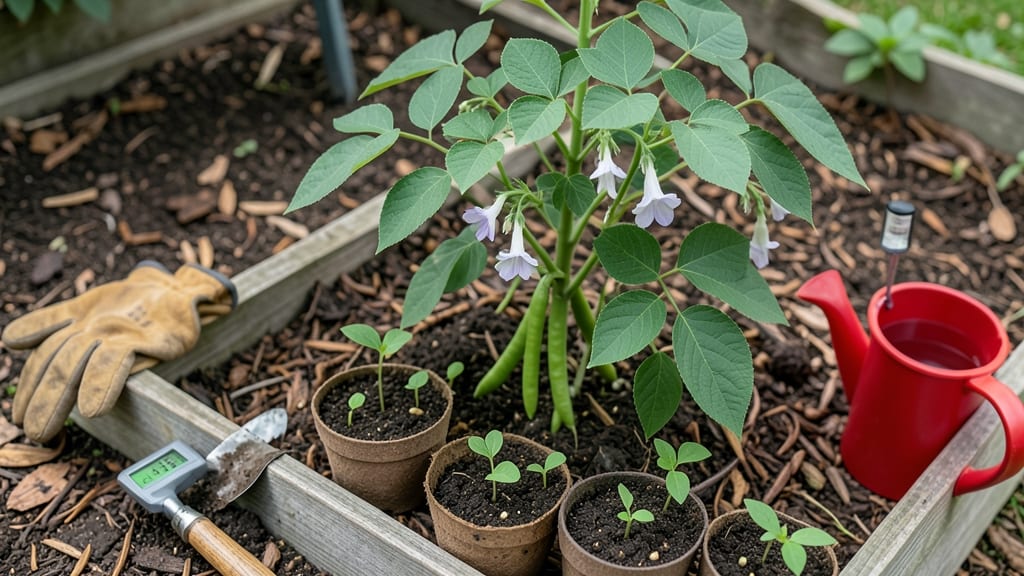
Timing your beans 🌱 planting in Kentucky could mean the difference between a bountiful harvest and a sad, stunted garden. If you’ve ever watched your bean plants wilt under late frost or struggle to mature before Kentucky’s first chill, you know how critical the right window is.
Here’s the truth: planting too early risks cold soil stunting growth, while waiting too late cuts your growing season short. Kentucky’s USDA zones 6a-7b give you a narrow but sweet window—April 15 to June 1—to get beans in the ground for peak yield.
But with regional variations and unpredictable frosts, how do you know when it’s really time?
I’ll break down the exact soil temperature thresholds, frost-free day counts, and regional tweaks (like Louisville vs. Lexington) so you can align your planting with Kentucky’s climate.
Whether you’re growing bush beans, pole beans, or limas, this schedule ensures your pods reach maturity before the first frost knocks on your door.
Ready to turn your garden into a bean bonanza? Let’s dive into the precise steps—and avoid the mistakes that leave Kentucky gardeners scratching their heads every fall.
Best months to plant beans in Kentucky by bean type (bush vs pole vs lima)
Kentucky’s USDA Zones 6a-7b offer a 180-210 day frost-free window—just enough for beans to thrive. But timing matters: plant too early, and cold soil stunts growth; too late, and you’ll miss peak harvests before fall frost hits.
Here’s your exact schedule for bush beans, pole beans, and lima beans to maximize pods.
All bean varieties need soil temperatures above 60°F to germinate. In Kentucky, this typically aligns with mid-April to early June, but your exact window depends on the type. Bush beans are the fastest, while lima beans need the longest season.
Let’s break it down by variety to avoid common mistakes.
🌱
| Bean Type | Ideal Planting Window | Soil Temp Requirement | Days to Maturity | Last Chance to Plant |
|---|---|---|---|---|
| Bush Beans | April 15 – May 15 | 60°F+ | 50–60 days | June 1 (for fall harvest) |
| Pole Beans | April 20 – May 10 | 60°F+ | 60–70 days | May 30 (longer season) |
| Lima Beans | May 1 – June 1 | 65°F+ | 80–90 days | July 1 (heat-tolerant varieties) |
*Adjust dates 1–2 weeks earlier for northern KY (e.g., Paducah) or later for southern KY (e.g., Bowling Green).
For bush beans, aim for April 15–May 15—this gives them enough time to mature before Kentucky’s average first frost on October 15. These compact plants (1–3 feet tall) produce pods in 50–60 days, making them the fastest option.
If you miss this window, consider succession planting every 2 weeks until June 1 for a staggered harvest.
Pole beans, which climb 4–6 feet on trellises, need a slightly later start: April 20–May 10. Their longer maturity (60–70 days) means you can push the deadline to May 30 for a late-summer harvest.
Plant near a south-facing fence to extend the season—this traps heat and delays frost damage.
Lima beans are the most heat-tolerant but require the longest season (80–90 days). Wait until May 1–June 1 when soil is 65°F+ to avoid poor germination.
If you live in southern Kentucky, you might squeeze in a second planting by July 1 using heat-resistant varieties like ‘Fordhook’.
🌿
Pro tip: Use a soil thermometer to confirm readiness—beans won’t sprout until soil hits 60°F (bush/pole) or 65°F (lima).
In Kentucky, this usually aligns with after the last frost date, but don’t rely solely on frost charts. Cold, wet springs (like 2023) can delay planting by weeks, so have a backup plan like container gardening for late starts.
After planting, mulch with straw or grass clippings to keep soil warm and retain moisture. Beans are shallow-rooted, so consistent watering (1–2 inches per week) is critical during flowering.
Skip fertilizing at planting—beans fix their own nitrogen—but add a balanced 5-10-10 fertilizer when flowers appear to boost pod production.
✂️
How to adjust your planting schedule for Kentucky’s microclimates (north vs south regions)
Kentucky’s diverse microclimates mean your Lexington garden might have a 2-week difference in planting windows compared to Northern Kentucky. Higher elevations in the Appalachian foothills experience cooler springs, while Louisville’s urban heat island warms up faster.
Adjust your schedule using these regional guidelines to avoid late frosts or heat stress.
Northern Kentucky (e.g., Paducah, Henderson) has earlier last frosts (late March) but shorter growing seasons. Start pole beans in late April and bush beans in early May to ensure 90+ days before the first frost.
Southern Kentucky (e.g., Bowling Green, Hopkinsville) can plant 2 weeks earlier, with late April safe for most varieties.
🌡️ Kentucky Microclimate Planting Adjustments
Plant Window: April 20–May 10
Succession Plant: June 1–15 (for fall harvest)
Plant Window: April 15–May 15
Succession Plant: June 15–July 1
Plant Window: April 1–May 20
Succession Plant: July 1–15 (for late pods)
For pole beans, which need longer growing seasons, prioritize Southern Kentucky or urban Louisville gardens. These areas can support lima beans (requiring 100+ days) by planting early April.
In Northern Kentucky, opt for shorter-season varieties like ‘Blue Lake’ (55 days) or ‘Kentucky Wonder’ (60 days) to avoid fall frost.
Use succession planting in June–July for a fall harvest before Kentucky’s first frost (typically mid-October). Southern regions can extend this to early November with row covers. For example, plant bush beans every 2 weeks from June 15–July 15 to stagger harvests.
Check your local USDA zone (e.g., 6a vs. 7b) and elevation—every 1,000 feet higher adds 3–5 days of cooler temps. Tools like the Old Farmer’s Almanac or Kentucky Climate Center provide hyperlocal frost dates to refine your schedule further.
Don’t forget heat tolerance: Kentucky’s summer humidity can stress beans if planted too early. Wait until soil temps hit 60°F+ (use a soil thermometer) to ensure germination and root growth. Adjust irrigation to prevent bloom drop during heat waves.