
Flowers
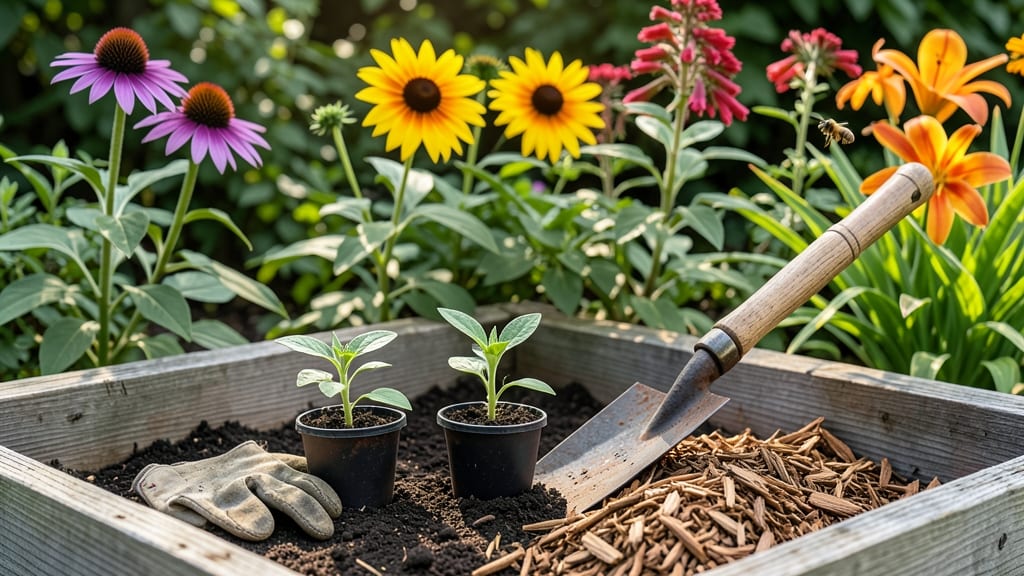
Timing your when to plant flowers in Vermont can mean the difference between a garden bursting with color and one that struggles through unpredictable frosts. Vermont’s USDA Zone 4b-6a climate demands careful planning—whether you’re sowing hardy perennials or delicate annuals.
The key? Knowing exactly when to break ground after the last frost (usually around mid-May) and how to protect late bloomers from early fall freezes.
I’ve spent years testing planting schedules in Vermont’s variable conditions, and what I’ve learned will help you avoid common pitfalls. From cool-season bloomers like pansies to heat-loving zinnias, each variety has its own ideal window—some thrive when planted as early as April, while others wait until June.
Let’s dive into the exact months and strategies that work best for your garden’s success.
What sets Vermont gardening apart is its microclimates—southern regions warm up faster than northern areas, and frost dates can shift by weeks. That’s why I’ll share region-specific tips, including how to stretch your growing season with row covers and strategic fall plantings.
You’ll leave here with a clear timeline tailored to your specific zone, whether you’re in Zone 5b or beyond.
Ready to transform your yard into a vibrant floral display? We’ll cover everything from soil prep to post-planting care, ensuring your flowers not only survive but thrive through Vermont’s changing seasons. Let’s get those 🌸 blooming on schedule!
Vermont’s frost dates and ideal flower planting windows by month
Vermont’s USDA Zone 5b climate means last frost dates can vary wildly—from early May in southern regions like Bennington to late May in the Northeast Kingdom. This uncertainty makes timing critical for annuals, perennials, and bulbs alike.
I’ve broken down the ideal planting windows by month to help you avoid frost damage while maximizing bloom time.
For cool-season flowers like pansies and snapdragons, I recommend starting seeds indoors in March (8–10 weeks before last frost). Warm-season favorites such as marigolds and zinnias should wait until soil temps hit 60°F+, typically mid-to-late May.
Even perennial bulbs like daffodils need precise timing—plant them in fall (September–October) for spring blooms.
Here’s how to align your planting with Vermont’s frost-free windows. The key is knowing your microclimate: valleys freeze faster than hillsides, and urban areas may warm up sooner than rural spots.
🌱
| Month | Planting Window | Best for | Frost Risk |
|---|---|---|---|
| March | Indoor starts (8–10 wks before last frost) | Cool-season annuals, perennials | High (use row covers) |
| April | Hardy annuals & bulbs (after soil thaws) | Pansies, tulips, sweet peas | Moderate (watch for late frosts) |
| May | Warm-season annuals (after May 15) | Marigolds, zinnias, petunias | Low (but monitor nights) |
| June | Transplant tender perennials | Black-eyed Susans, coneflowers | None (safe for all) |
| September | Fall-blooming bulbs & perennials | Chrysanthemums, asters, daffodils | Moderate (early frosts possible) |
Southern Vermont (e.g., Bennington, Rutland) typically sees its last frost by May 1, while northern areas like Burlington or St. Johnsbury may wait until May 15–20.
To play it safe, I use frost-sensitive flowers like geraniums as canary indicators: if they survive overnight, it’s likely safe to plant tomatoes and peppers.
For perennial flowers, timing matters less after establishment, but fall planting (September) gives roots time to anchor before winter. Bulbs like tulips should be in the ground by October 1—any later, and they risk rotting before dormancy sets in.
Pro tip: Check the Vermont Weather Underground or local Cooperative Extension reports weekly in spring. A 5-day forecast of 40°F+ nights is your green light for warm-season plants. And always have row covers on hand—those late May frosts happen more often than you’d think!
Even with perfect timing, soil prep is half the battle. I’ll cover that in the next section, but for now, mark your calendar for May 15—that’s your official “go” date for most Vermont gardens.
Just remember: patience is key when Mother Nature’s still deciding whether spring’s here to stay.
🌿
Best flowers to plant in Vermont by season: a month-by-month guide
Vermont’s short growing season and cool climate demand smart flower choices—annuals, perennials, and bulbs must thrive from late spring to early fall. I’ve curated a month-by-month guide to maximize blooms while avoiding frost damage. Start with cold-hardy varieties in spring and transition to heat-tolerant picks by summer.
For spring planting (March–May), focus on perennials and bulbs like tulips, daffodils, and peonies, which tolerate chilly soil and late frosts. Annuals like pansies and sweet peas can handle light frosts and bloom early.
In summer (June–August), swap in heat-loving annuals such as marigolds, zinnias, and cosmos for continuous color.
🌱
- 🌱 March–April: Plant hardy bulbs (tulips, daffodils) and cool-season annuals (pansies, snapdragons) after soil thaws.
- ☀️ May (after last frost): Transplant perennials (coneflowers, black-eyed Susans) and sow warm-season annuals (marigolds, zinnias).
- 🌿 June–July: Add heat-tolerant picks (cosmos, sunflowers) and succession-plant for continuous blooms.
- 🍂 August–September: Start fall-blooming perennials (asters, chrysanthemums) and cool-season veggie flowers (nasturtiums).
- 🌰 October (before frost): Plant spring-blooming bulbs (hyacinths, crocuses) for next year’s color.
Perennials like bee balm and lavender thrive in Vermont’s USDA Zone 5b and return yearly with minimal care. For containers or small spaces, opt for compact annuals such as petunias or geraniums, which bloom prolifically in partial shade.
Always check seed packets for days to maturity—plant fast-bloomers first to stretch your season.
In northern Vermont, where frosts linger longer, delay planting tender annuals until mid-May. Southern Vermont gardeners can push summer blooms slightly earlier. Mulch heavily after planting to insulate roots and retain moisture during Vermont’s dry spells.
For extended blooms, interplant early, mid, and late-season varieties. For example, pair early pansies with mid-season zinnias and late cosmos to create a nonstop floral display from May through October. Don’t forget to deadhead spent blooms to encourage more flowers!
🌻