
Plants
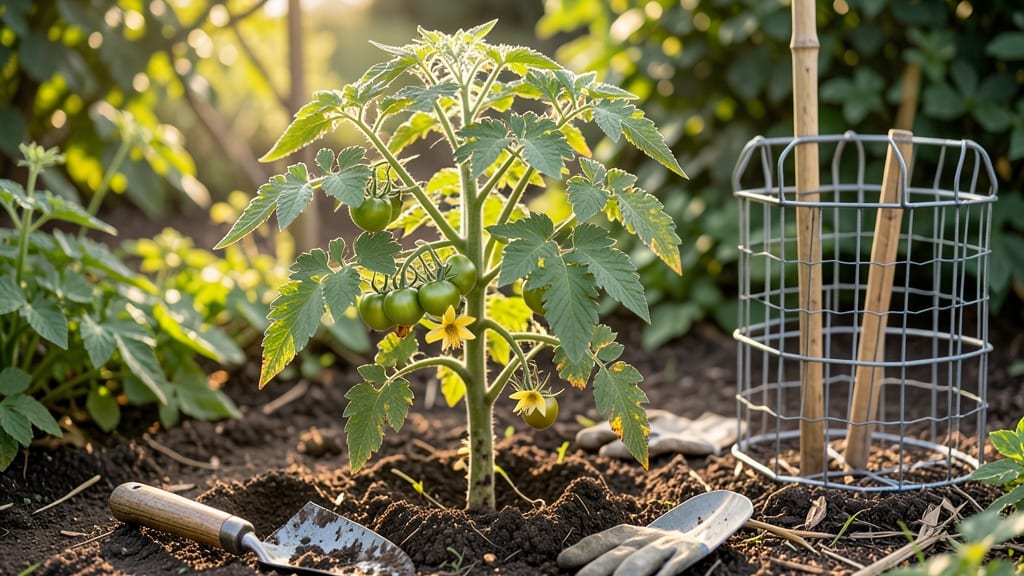
If you’ve ever planted tomatoes in Florida only to watch them wilt under the summer sun or struggle through unexpected cool snaps, you’re not alone.
The key to thriving 🍅 plants lies in understanding Florida’s unique heat zones and frost-free windows—because planting at the wrong time can mean the difference between a bountiful harvest and wasted effort.
Florida’s warm climate might suggest year-round growing, but timing still matters. Whether you’re in the cooler North Florida regions or the balmy South, knowing when to plant ensures your tomato plants avoid heat stress and disease while maximizing fruit production.
I’ll break down the exact windows for each heat zone, so you can start strong and keep harvesting well into fall.
From early spring starts in the Panhandle to late-summer plantings in Miami, Florida’s diverse microclimates demand flexibility. You’ll discover how to time your transplants for zero frost risk, choose heat-tolerant varieties, and even extend your season with succession planting—perfect for urban gardeners with limited space.
Ready to turn your garden into a tomato powerhouse? Let’s dive into the science-backed planting dates and pro tips that will have you enjoying homegrown 🍅 all season long—without the guesswork.
Florida heat zones explained: best planting dates by region
Florida’s diverse climate—from cool North Florida to tropical South Florida—means tomato planting dates vary dramatically. The state spans USDA Hardiness Zones 8A–10A, with zero frost risk in most areas year-round. However, soil temperature and heat tolerance of tomato varieties dictate the best windows.
For North Florida (Zones 8A–8B), like Jacksonville or Gainesville, aim to transplant tomatoes after March 15 to avoid unexpected chilly snaps. South Florida (Zones 9A–10A), including Miami and Fort Myers, can plant year-round, but peak harvests occur with spring and fall plantings to escape summer’s brutal heat.
Here’s how to align your planting with Florida’s heat zones for maximum success:
For North Florida gardeners, focus on early spring plantings (March–April) to capitalize on longer daylight hours and cooler soil temperatures. In South Florida, fall plantings (September–October) often yield sweeter tomatoes by avoiding summer’s intense heat stress.
Pro tip: Use a soil thermometer to confirm 60°F+ soil temps before transplanting. Cold soil delays root establishment, making plants vulnerable to disease and pests. For urban gardeners with limited space, container growing lets you adjust timing—just ensure pots have drainage holes and use lightweight potting mix.
Succession planting is key in Florida. After your first harvest (typically 60–75 days after transplanting), replant every 2–3 weeks to stagger production.
This works especially well for determinate varieties, which produce fruit all at once, and indeterminate types, which continue bearing until frost (though frost is rare in most of Florida).
Don’t overlook microclimates—your backyard might be 5°F warmer than the official zone average. Observe nearby mature tomato plants or ask local extension offices for hyper-local advice. For example, high elevations (like Gainesville) may need later plantings than coastal areas.
Remember: Florida’s heat isn’t just a challenge—it’s an opportunity. With the right timing, you can enjoy tomatoes from February to December. Start with heat-tolerant varieties, monitor soil temps, and adjust your schedule based on your specific zone. Your homegrown harvest will thank you!
Tomato varieties that thrive in Florida’s heat: heat-tolerant picks for year-round success
Florida’s year-round growing season lets you enjoy tomatoes almost anytime—but not all varieties handle our intense heat and humidity well. Heat-tolerant varieties like ‘Heatmaster’ and ‘Solar Fire’ thrive when others bolt or struggle. These picks also resist diseases like early blight and fusarium wilt, common in Florida’s wet summers.
For urban gardeners or small spaces, compact varieties like ‘Tiny Tim’ or ‘Patio Princess’ deliver high yields without sprawling. Meanwhile, heirlooms such as ‘Cherokee Purple’ need cooler conditions, so they’re best planted in fall or spring for optimal flavor. Let’s break down the best options for your Florida garden.
🌱 Heat-Tolerant Varieties
❄️ Cooler-Season Picks
Pros
- Heat-resistant: Thrives in 90°F+ temps
- Disease-resistant: Fewer issues with blight
- Year-round: Can plant spring or fall
- High yield: Consistent production
Cons
- Fewer heirloom options: Mostly hybrids
- Milder flavor than cool-season types
Pros
- Superior flavor: Richer, sweeter taste
- Heirloom options: Unique varieties
- Cooler-season: Avoids summer stress
Cons
- Bolt in heat: Struggle in 85°F+
- Shorter season: Limited to fall/winter
- More pests: Attracts insects in humidity
If you’re aiming for year-round harvests, ‘Solar Fire’ is a top choice—it produces bright red fruits even in 100°F heat. For cherry tomatoes, ‘Sun Gold’ sweeten under Florida’s sun but may need afternoon shade in peak summer. Always mulch heavily to retain moisture and cool roots.
For fall plantings, ‘Celebrity’ (a hybrid) balances heat tolerance and flavor, while ‘Brandywine’ (heirloom) shines in cooler October-November temps. Pair these with drip irrigation to avoid fungal issues from overhead watering. Rotate crops yearly to prevent soil-borne diseases.
Urban gardeners can try ‘Tumbling Tom’ in containers—its trailing habit saves space while delivering cherry tomatoes all season. Just ensure pots have drainage holes and use lightweight potting mix to prevent root rot.
With the right variety and care, your Florida tomato garden can be productive 12 months a year!
🌱