
Flowers
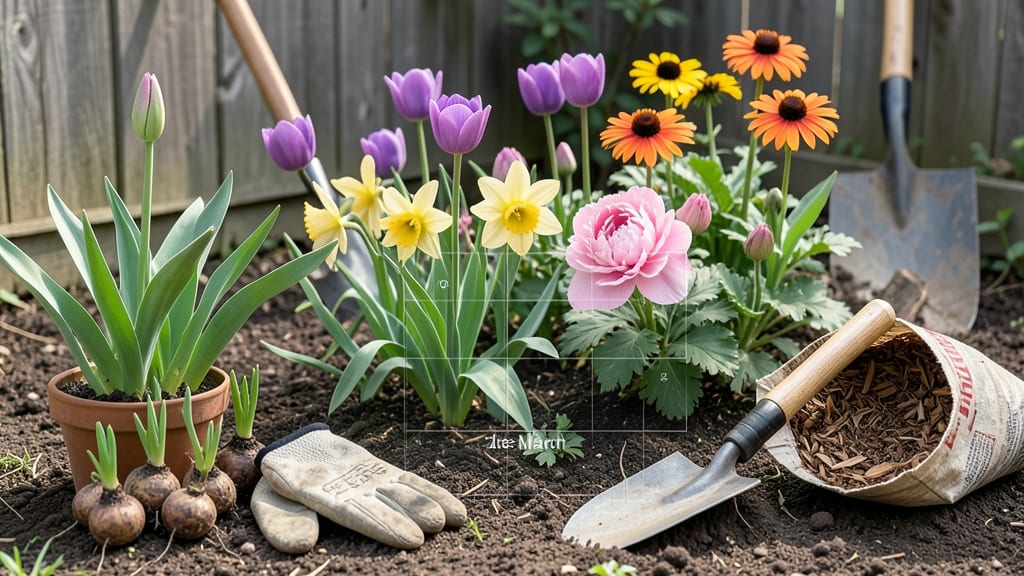
Timing your flower planting in New York isn’t just about throwing seeds into the dirt—it’s about beating frost, embracing the seasons, and choosing the right blooms for your USDA zone.
Whether you're in bustling NYC or the rolling hills of Upstate, getting those 🌸 in the ground at the perfect moment means the difference between a vibrant garden and a sad, wilted mess.
New York’s climate is tricky—frost can sneak in as late as mid-April in Upstate or linger until October in the city. That’s why knowing your exact planting window (late April to early June for spring, or late August to early September for fall) is the key to success.
Miss the mark, and you might end up with flowers that bolt or freeze before they even bloom.
But here’s the good news: with the right timing and plant selection, you can enjoy blooms from spring through fall.
I’ll walk you through the best flowers for each season, how to prep your soil, and pro tips to keep your garden thriving—no matter where in New York you call home.
Ready to turn your garden into a year-round paradise? Let’s dive into the exact dates and strategies you need to make your flowers flourish, no frost required.
New York’s USDA zones 5-7: exact flower planting dates by frost-free timeline
New York spans USDA Zones 5b-7b, meaning frost dates vary dramatically from NYC’s Zone 7a to Upstate’s Zone 5b. This diversity means your planting window can shift by 3-4 weeks depending on location.
For example, NYC’s last frost typically hits April 15, while Upstate areas may not see frost-free conditions until May 1.
To avoid frost damage, I always wait until soil temperatures reach 60°F and nighttime lows stay above 50°F. This rule applies to both spring annuals (like marigolds) and fall-planted bulbs (such as tulips). Using a soil thermometer ensures you don’t rush planting too early.
Here’s the critical timeline for New York’s most common planting zones, including buffer periods for reliability:
For perennials, I recommend planting in early spring (as soon as soil is workable) to establish roots before summer heat. Bulbs like daffodils can go in fall (October), but avoid planting after November 1—the ground may freeze before roots establish.
In Zone 5b, where winters are harsher, I prioritize cold-hardy perennials like coneflowers and black-eyed Susans, which survive -20°F temperatures. Meanwhile, in Zone 7a, I can experiment with tropical annuals like hibiscus, though they’ll need winter protection.
Pro tip: Check your local Cooperative Extension Service for real-time frost alerts. For example, Cornell University’s gardening resources provide hyper-local updates that can shift planting dates by 1-2 weeks.
If you’re in a microclimate (like a city garden with heat islands), plant heat-tolerant annuals like zinnias or portulaca slightly earlier than the average date. These varieties thrive in 85°F+ temperatures, giving you an extended bloom season.
For container gardening, which is popular in NYC, I plant petunias and geraniums in late May to avoid overnight chills. Containers warm up faster than soil, so they’re more vulnerable to late frost.
Always account for 1-2 weeks of buffer time after the average last frost date. A sudden cold snap in May can still hit NYC, so I never plant delicate annuals like impatiens before May 15, even in Zone 7a.
New York’s USDA zones 5-7: exact flower planting dates by frost-free timeline
New York’s diverse USDA zones (5b-7b) create unique planting windows—from NYC’s Zone 7a to Upstate’s Zone 5b. Timing matters: plant too early, and frost zaps tender blooms; too late, and summer heat stunts growth. Let’s break down the critical frost-free dates for each region to maximize your garden’s potential.
For Zone 7a (NYC, Long Island), the last frost typically hits April 15, while Zone 5b (Upstate) waits until May 1. First frosts arrive October 15 (NYC) or as early as September 20 (Upstate).
These dates dictate your spring and fall planting windows, which we’ll explore in detail below.
Spring planting (annuals, tender perennials, and bulbs) should begin 2-4 weeks after your region’s last frost date. For fall planting (hardy perennials, biennials, and bulbs), aim for 6-8 weeks before the first frost—typically late August to early September in NYC and late July to early August in Upstate areas.
🌱 Pro Tip: Use soil thermometers to confirm 60°F soil temps before planting warm-season flowers like marigolds or zinnias. Nighttime temps should stay above 50°F for consistent growth.
While these average dates guide your planning, New York’s microclimates can shift windows by 1-2 weeks. Urban areas like Brooklyn often warm up faster than rural Dutchess County, while Lake Effect regions near Lake Erie may experience delayed springs. Always monitor local weather forecasts and adjust accordingly.
For bulbs like tulips or daffodils, plant in fall (October-November) to establish roots before winter. Perennials like coneflowers or black-eyed Susans thrive when planted in spring or early fall, while annuals such as petunias or geraniums need that post-last-frost window for best results.
🌿 Key Takeaway: Zone 7a gardeners have a longer growing season (165 frost-free days), while Zone 5b gardeners must work with just 120-150 days. Choose flowers accordingly—opt for early bloomers like crocuses in cooler zones or heat-tolerant varieties like lantana in urban heat islands.