
Plants
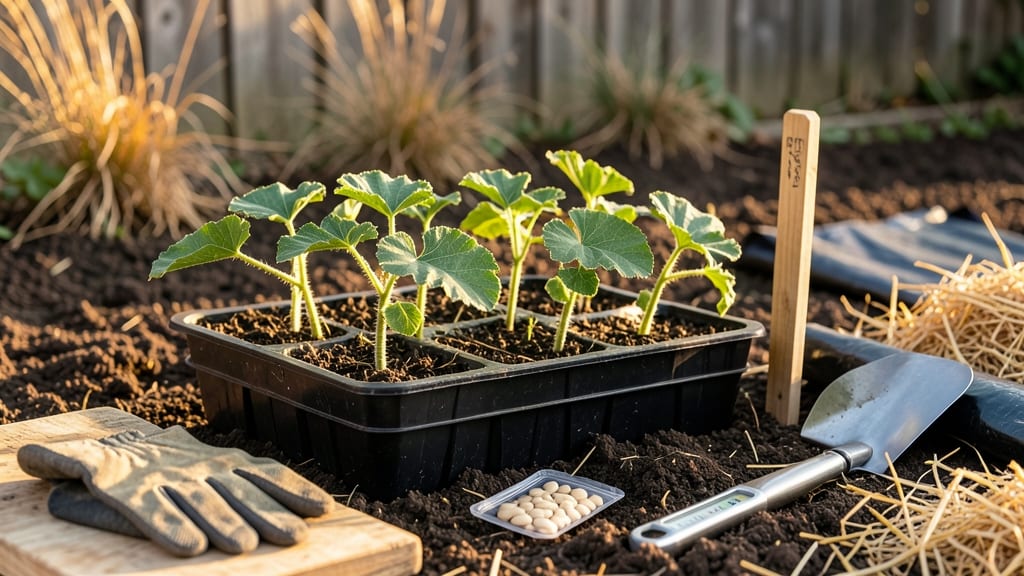
Timing your cantaloupe planting in Ohio can mean the difference between a bountiful harvest and wasted effort—especially when frost dates fluctuate wildly from county to county.
With USDA Zone 6a conditions and last frost dates ranging from early April in southern Ohio to late May in the north, getting it right is everything.
The key to success? Planting 🍈 cantaloupe only after soil temperatures hit 70°F and the danger of frost has passed. That window typically opens between April 15 and May 15, but local microclimates can shift those dates by weeks.
I’ll break down exactly when to start seeds indoors (or when to plant directly outside) based on your Ohio county—so you can avoid the heartbreak of lost seedlings.
What you’ll discover here are the most reliable planting strategies for Ohio gardeners, including how to extend your growing season with row covers or black plastic mulch.
Whether you’re in Columbus, Cleveland, or Cincinnati, these tips will help you maximize your cantaloupe’s 70-85 day growing window and enjoy ripe fruit from July through August.
Ready to skip the guesswork? Let’s dive into the exact dates—and smart techniques—to ensure your cantaloupe thrives, no matter where you are in the state.
Ohio’s frost zones & ideal cantaloupe planting windows by county
Ohio’s USDA Zones 5-6 create a 100-day window for cantaloupe growth—too early, and frost kills seedlings; too late, and you miss the July-August harvest. The key? Planting after soil reaches 70°F and last frost dates, which vary dramatically across the state.
Northern counties like Ashtabula wait until May 15, while southern Lawrence County can start as early as April 15.
Cantaloupe thrives in warm-season conditions, needing 60-90 days from seed to harvest. Ohio’s 165 frost-free days mean you’ve got just one shot—don’t miss it! I’ll break down county-specific planting windows, soil prep tips, and microclimate exceptions that could save your harvest.
Here’s the county-by-county breakdown of when to plant cantaloupe in Ohio, based on OSU Extension data and local farmer reports. Use this as your planting timeline guide to avoid frost risk and maximize sweet melons.
| County Region | Last Frost Date | Ideal Planting Window | Soil Temp Requirement | Notes |
|---|---|---|---|---|
| Northern (Ashtabula, Geauga, Lake) | May 15 | May 15–June 1 | 70°F+ | Use row covers for early starts |
| Northeast (Cuyahoga, Lorain, Medina) | April 25 | May 1–May 15 | 70°F+ | Black plastic mulch warms soil faster |
| Central (Franklin, Delaware, Licking) | April 15 | April 20–May 10 | 70°F+ | Best for early varieties like 'Hale’s Best' |
| Southeast (Athens, Vinton, Lawrence) | April 5 | April 10–April 30 | 65°F+ (earlier starts) | Longest growing season—try late varieties |
| Southwest (Clark, Greene, Miami) | April 10 | April 15–May 5 | 70°F+ | Humid summers—watch for powdery mildew |
Northern Ohio’s cooler microclimates demand patience—wait until May 15 to plant, even if soil feels warm. I’ve seen seedlings fried by late frosts in Lake County when gardeners rushed early starts. For southern Ohio, April 10 is your cutoff: plant before then, and you risk slow growth from cool soils.
Pro tip: Use a soil thermometer ($10 at garden centers) to confirm 70°F+ before planting. Cantaloupe seeds won’t germinate below this temp, no matter how eager you are. I test soil temps for 3 consecutive days at 70°F+ before committing to planting.
Ohio’s humid summers also mean cantaloupe needs well-draining soil to avoid rot. Amend clay-heavy areas with compost or sand—I’ve salvaged many a failed cantaloupe patch by improving drainage. Aim for pH 6.0-6.8; Ohio’s native soil often skews acidic, so test and adjust with lime if needed.
For
Ohio’s frost zones & ideal cantaloupe planting windows by county
Ohio’s climate varies dramatically from the southern tip (USDA Zone 6b) to the northern border (Zone 5a), making cantaloupe planting a regional puzzle. Cantaloupes thrive in warm soil (70°F+) and need 120 frost-free days to mature.
In Ohio, that means timing is everything—plant too early, and frost zaps seedlings; too late, and you’ll miss your harvest. Let’s break it down by county groups to help you pinpoint the perfect window.
Southern Ohio (e.g., Butler, Clermont, Hamilton) enjoys the longest growing seasons, with last frost dates around April 15–May 1. This gives gardeners a 6-week head start compared to northern regions.
For example, in Cincinnati, you can safely plant cantaloupe seeds directly in the ground by April 20, while northern Ohioans wait until May 15 or later. Always check your local OSU Extension office for updates, as microclimates can shift planting windows by weeks.
Northern Ohio (e.g., Cuyahoga, Lorain, Ashtabula) faces cooler springs, so soil temperature is your best guide. Use a soil thermometer to confirm 70°F+ before planting. In Cleveland, this typically aligns with May 10–20, but black plastic mulch can warm the soil 2–3 weeks earlier.
Pro tip: Start seeds indoors 2–3 weeks before your target outdoor date to extend your season.
🌱 Ohio Cantaloupe Planting Guide by Region
| Region | Last Frost Date | Ideal Planting Window | Soil Temp Requirement | Notes |
|---|---|---|---|---|
| Southern Ohio (Zone 6a-6b) | April 15–May 1 | April 20–May 10 | 70°F+ | Longest season; use row covers for early starts. |
| Central Ohio (Zone 5b-6a) | May 1–May 15 | May 10–May 25 | 70°F+ | Black plastic mulch warms soil faster. |
| Northern Ohio (Zone 5a-5b) | May 15–May 30 | May 20–June 1 | 70°F+ | Start seeds indoors; use cold frames. |
For northern Ohio gardeners, consider succession planting in late May or early June. Plant a second batch of seeds every 2–3 weeks to stagger your harvest and maximize yield.
This works especially well for heat-tolerant varieties like ‘Athena’ or ‘Hale’s Best’, which thrive in Ohio’s summer heat. Always choose disease-resistant seeds to combat Ohio’s humid summers.
One common mistake? Relying on calendar dates instead of soil temperature. A late frost in May can still threaten seedlings, even if it’s technically after your county’s average last frost. Floating row covers (remove when flowers appear) add an extra 2–4°F of protection.
Pair this with black plastic mulch to warm the soil faster—this combo can shave 10–14 days off your growing season.
Remember: Cantaloupes need 60–85 days to mature, so count backward from your first frost date (typically October 15 in Ohio). If you’re in Zone 5a, aim to harvest by September 15 to avoid cool nights stalling ripening.
For a second crop, try ‘Sugar Bush’, a fast-maturing variety that can sometimes squeeze in a late harvest.