
Companion Plants
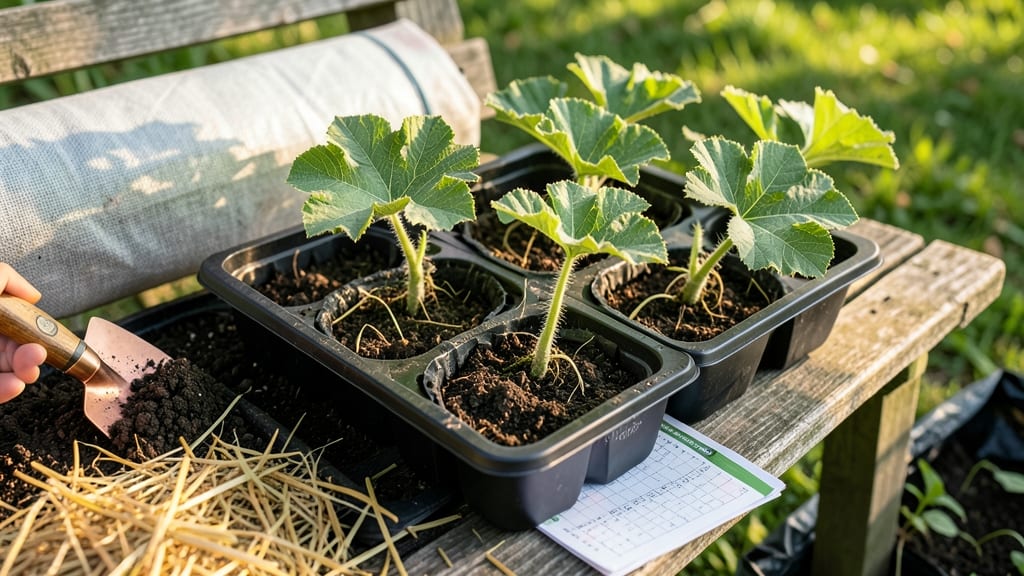
If you've ever planted cantaloupe in Pennsylvania only to watch your seedlings wilt in the chill or your vines struggle to mature, you're not alone.
The perfect timing for planting these heat-loving melons is the key to a bountiful harvest—and getting it wrong can mean the difference between sweet success and bitter disappointment.
With Pennsylvania's 5b-7a climate zones, knowing when to plant your 🍈 isn't just about checking a calendar—it's about understanding soil temperatures, frost dates, and regional microclimates. Whether you're in the warmer southwest or cooler northern areas, the right window ensures your cantaloupe thrives from seed to ripe fruit.
In this guide, I'll break down the exact planting schedule tailored to PA, including soil temperature requirements and tips for extending your growing season. You'll discover whether direct sowing or transplanting works best for your garden and how to protect your plants from late frosts.
Ready to grow cantaloupe that's sweeter and more abundant than ever? Let's get started with the optimal planting dates that will transform your garden this summer.
Best planting dates for cantaloupe in Pennsylvania by climate Zone
Pennsylvania’s diverse climate means cantaloupe planting dates vary dramatically from the warm southwest to the cooler northern regions. Cantaloupes are heat-loving annuals that won’t tolerate frost, so timing is critical.
The last average frost date in PA ranges from April 15 in the south to May 15 in the north, but soil temperature matters more than air temperature.
For successful germination, soil must stay above 70°F (21°C) for at least two weeks. In PA’s USDA Zones 5b-7a, this typically means waiting until mid-May in the north and late April in the south.
Even a few cold nights can stunt seedlings, so don’t rush—patience prevents failure.
Here’s your zone-specific planting schedule, including the best varieties for each region and key soil temperature thresholds:
In Southwest PA (Zones 7a-7b), you can start seeds indoors 4-6 weeks before your last frost date (around March 15) and transplant seedlings after April 15.
This region’s longer growing season allows for two plantings: one in early spring and another in late June for fall harvests.
For Central and Northern PA (Zones 5b-6a), where summers are shorter, focus on direct sowing after May 15. Use black plastic mulch to warm the soil faster—this can shave off 1-2 critical weeks of cool soil.
If you’re eager to try, consider starter plants from nurseries (hardened-off seedlings) to jumpstart the season.
One common mistake is planting cantaloupe too early in cooler zones. Seedlings will linger in the soil for weeks, becoming leggy and weak before they can handle heat. Instead, wait for consistent 70°F+ soil temps and use a soil thermometer to monitor progress—no guessing allowed!
Pro tip: If you’re in Zone 6a or colder, choose early-maturing varieties like ‘Minnesota Midget’ (60 days) or ‘Sugar Bush’ (75 days). These can finish before fall frosts hit in early October. Pair this with row covers for extra warmth if needed.
🌱
How to adjust cantaloupe planting for Pennsylvania’s unpredictable weather
Pennsylvania’s spring weather can be as unpredictable as a toddler’s mood—one day sunny, the next a surprise frost. Cantaloupes, being heat-loving annuals, demand consistency, so adjusting your planting strategy is key. Late frosts in April or May can wipe out tender seedlings if you’re not prepared.
The solution? A mix of season extension tactics and smart timing to give your cantaloupes the warm start they crave.
Don’t panic if your local forecast calls for a 50°F night after planting. With the right tools, you can shield seedlings and coax the soil to warm up faster. The goal is to create a microclimate that mimics summer conditions as soon as possible.
Start by testing your soil temperature—it should hit at least 70°F (21°C) before sowing seeds. If it’s cooler, use black plastic mulch or row covers to speed up warming.
Here’s how to turn PA’s fickle weather into an advantage:
🌱 Protect & Prep: 5 Key Steps for Unpredictable Weather
- Use row covers (lightweight fabric) to shield seedlings from late frosts (down to 28°F) while allowing sunlight through.
- Lay black plastic mulch 1–2 weeks before planting to raise soil temps by 5–10°F faster than bare earth.
- Choose early-maturing varieties (e.g., ‘Minnesota Midget’) to harvest before fall’s first frost hits.
- Plant in south-facing beds or near heat-absorbing surfaces (e.g., dark fences) to trap warmth.
- Start seeds indoors 3–4 weeks early (under grow lights) and transplant after last frost—just be ready to cover them again if nights dip.
If you’re in Northern PA (USDA Zone 5b), consider using a cold frame or mini greenhouse to extend the season. These structures can add 10–14°F to soil temps and protect seedlings until late May.
For Southern PA (Zone 7a), focus on succession planting: sow a second batch in early June for a fall harvest before early October frosts arrive.
Watering also plays a critical role in weatherproofing your cantaloupes. Morning watering (before 10 AM) reduces fungal risks from overnight dampness, while drip irrigation keeps soil moisture consistent—even if rain skips a week. Mulch heavily (straw or shredded leaves) to lock in warmth and retain moisture during dry spells.
One final tip: Monitor your local Almanac’s frost dates but don’t rely on them blindly. PA’s microclimates vary wildly—your neighbor’s garden might be frost-free weeks before yours.
Use a soil thermometer and a frost alarm (or even a DIY bucket of water with a floating ping-pong ball) to track real-time conditions.
With these adjustments, you’ll turn PA’s weather quirks into advantages—giving your cantaloupes the stable, warm conditions they need to thrive, no matter what Mother Nature throws at you 🌱🌡️💧.