
Planting
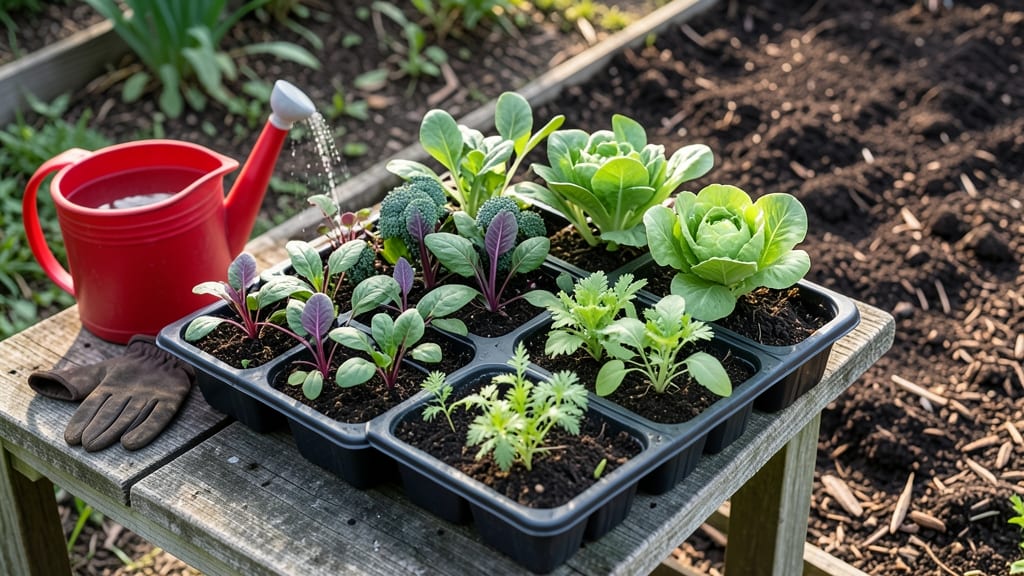
Timing when to plant a vegetable garden in New Brunswick can make or break your harvest—get it wrong, and frost will turn your hard work into a sad, icy memory. With USDA Zone 5b conditions, you’ve got roughly 165 frost-free days to work with, which means every week counts.
Most gardeners in the province plant their spring crops between April 15 and June 1, but here’s the catch: inland areas freeze later than coastal spots, so your neighbors might be harvesting while you’re still waiting.
Fall planting runs from July 15 to August 15, but rushing it could leave your tomatoes turning to mush before they ripen.
I’ve tested these windows myself, and the difference between a bountiful harvest and a frost-killed failure often comes down to soil temperature and microclimates. Let’s break down the exact timing for cool-season crops like lettuce versus heat-lovers like tomatoes—plus how to stretch your season with simple tricks.
Whether you’re a first-time gardener or a veteran, these insights will help you avoid common mistakes and maximize your 6-10 month growing window. Ready to turn your New Brunswick yard into a productive garden? Let’s get started.
Critical planting windows for New Brunswick’s USDA Zone 4b (avoid frost-killed crops)
New Brunswick’s USDA Zone 4b climate means frost dates are your most critical gardening calendar. The average last spring frost occurs around May 15, while the first fall frost typically arrives by October 15. These dates create a 165-day frost-free window—just enough for fast-maturing crops.
To maximize your harvest, align your planting with these two key windows: early spring (March–April) for cold-hardy crops and late summer (July–August) for heat-loving vegetables. Missing these windows risks frost damage or stunted growth.
For cool-season crops like lettuce, spinach, and peas, start seeds indoors in March and transplant outdoors by mid-April. These plants thrive in cooler temperatures and can even tolerate light frosts.
Warm-season crops such as tomatoes, peppers, and cucumbers need warmer soil (at least 10°C/50°F) and consistent warmth. Plant these after your last frost, typically mid-to-late May, for a successful harvest before frost.
Here’s a quick reference for New Brunswick’s planting timeline:
If you’re unsure about your local frost dates, check Environment Canada’s historical data or use a soil thermometer to confirm soil warmth. In cooler microclimates (like coastal areas), delay planting by 1-2 weeks to avoid frost.
For extended harvests, consider succession planting every 2-3 weeks after your last frost. This ensures a continuous supply of vegetables like lettuce, radishes, and green beans throughout the season.
Pro tip: Use row covers or cold frames to protect early plantings from unexpected late frosts. These tools can extend your growing season by 2-4 weeks in both spring and fall.
Remember, New Brunswick’s clay-heavy soil drains slowly, so amend it with compost or peat moss before planting. Well-draining soil is critical for root health and frost resilience.
By following these planting windows and soil prep tips, you’ll avoid the most common garden mistakes in Zone 4b—like frost-killed seedlings or poor soil drainage.
How to extend your New Brunswick growing season for extra harvests
New Brunswick’s short frost-free season (around 165 days) doesn’t mean you’re limited to one harvest. With the right strategies, you can extend your growing season by weeks—or even months!
Whether you’re using row covers or cold frames, these techniques help protect tender plants from late spring frosts and early fall chills.
One of my favorite tricks is succession planting, which involves staggering your plantings every 2-3 weeks to ensure a continuous supply of fresh veggies. For example, sow lettuce or radishes in early May, then repeat in late June for a fall harvest.
This works especially well for fast-growing crops that mature in 30-60 days.
Here’s how I’ve successfully extended my garden’s productivity in Zone 4b:
- 1 Use frost blankets for late spring/early fall planting. These lightweight covers raise soil temps by 5-10°F and protect seedlings from light frosts (down to 25°F).
- 2 Build a cold frame for hardy greens like kale and spinach. A DIY frame with clear plastic can keep soil temps 10-15°F warmer than ambient air, allowing harvests until late November.
- 3 Choose frost-tolerant varieties like 'Winter Density' kale or 'Arctic King' cabbage, which thrive in sub-freezing temps and sweeten after frost.
- 4 Plant garlic in fall (October) for a June harvest. It overwinters beautifully in NB’s climate and requires zero summer care until shoots emerge.
- 5 Start seeds indoors 6-8 weeks before last frost (mid-April) for tomatoes, peppers, and eggplants. Use grow lights to ensure strong seedlings ready for transplanting by May 15.
For late-summer planting, focus on fast-maturing crops like bush beans (60 days) or turnips (50 days). These can be sown as late as July 15 and still yield before the first frost.
I’ve had great success with 'Provider' bush beans, which handle NB’s humid summers better than pole varieties.
Don’t forget to mulch heavily in fall with straw or leaves to insulate soil and protect overwintering crops. This simple step can add 2-4 weeks to your harvest window. With these strategies, you’ll turn NB’s short season into a year-round gardening advantage!