
Flowers
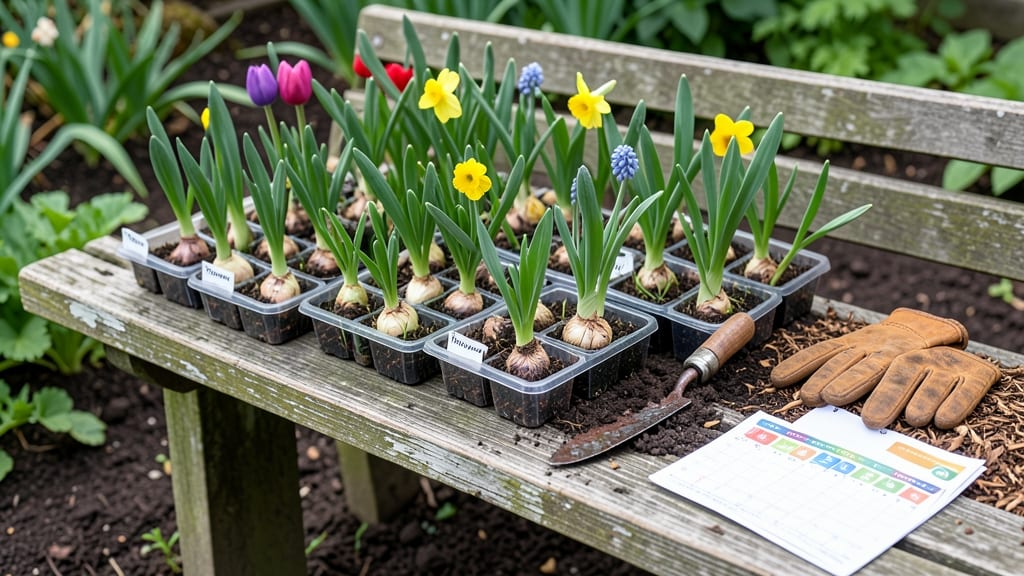
Timing is everything when planting spring flowers—get it wrong, and your blooms may never appear. But with the right frost-date guide, you can transform your garden into a vibrant paradise without guessing.
The key lies in understanding your local climate, whether you're in USDA Zone 6a or beyond, and knowing exactly when to put those seedlings in the ground.
For most gardeners, the magic window opens after the last frost date, typically late April to early May in many regions. However, cool-season flowers like pansies can handle a light frost, while tender annuals like marigolds need warmer soil.
I'll break down the exact timing for your favorite blooms so you can avoid common pitfalls like planting too early or ignoring microclimates.
Imagine stepping outside in June to find your garden bursting with color—🌸—because you timed everything perfectly. That dream starts with a simple rule: wait until soil temperatures hit at least 60°F and the nighttime lows stay above freezing.
Let me show you how to adjust your schedule based on your specific location and flower types.
Whether you're a seasoned gardener or just starting, these insights will help you grow a thriving flower bed. We'll cover everything from preparing your soil to rescuing seedlings if Mother Nature throws a curveball. Ready to turn your garden into a showstopper?
Spring planting timeline by flower type and frost dates
Spring is the perfect time to bring color to your garden, but not all flowers thrive when planted at the same time. Understanding the difference between cool-season flowers (like pansies and snapdragons) and warm-season flowers (like tomatoes and marigolds) is key.
Cool-season flowers can handle light frosts, while warm-season varieties need the soil to warm up to at least 60°F (15°C) before planting.
Your USDA hardiness zone determines your last frost date, which is your planting cue. For example, in Zone 5, the last frost typically occurs around May 15, while in Zone 10, you might plant as early as February.
Always check local weather forecasts or use a frost date calculator for precise timing.
Here’s a quick guide to help you align your planting schedule with your local climate and flower types:
For cool-season flowers, you can start seeds indoors 6-8 weeks before the last frost date or sow directly into the garden 4-6 weeks before.
These hardy plants can even survive light frosts, making them ideal for early spring planting. Examples include pansies, snapdragons, and sweet peas.
If you’re in a warmer climate (Zones 8-10), you might plant warm-season flowers like marigolds or zinnias as early as February or March, but always wait until the soil has warmed up. In colder zones (Zones 3-5), hold off until mid-to-late May to avoid frost damage.
Perennials are a bit more flexible—they can be planted in early spring as soon as the ground is workable or in fall for a head start.
Just ensure the soil isn’t waterlogged or frozen. Popular perennials like coneflowers and black-eyed Susans thrive when planted in well-draining soil with full sun.
Bulbs are a special case. Most spring-blooming bulbs (like tulips and daffodils) should be planted in fall—6 to 8 weeks before the first frost—to establish roots before winter.
If you missed that window, don’t worry: you can still plant them in early spring, though they may bloom later or less vigorously.
For summer-blooming bulbs (such as dahlias and cannas), spring is the perfect time to plant them after the last frost. These bulbs need warm soil to sprout, so wait until the ground temperature reaches at least 60°F (15°C).
Pro tip: Use a soil thermometer to check temperatures before planting warm-season flowers. If the soil is still cold, your seeds may rot or fail to germinate. Patience pays off—waiting for the right conditions ensures stronger, healthier plants.
🌱
How to adjust planting dates for your exact location
Your local frost dates aren’t the only factor—soil temperature and microclimates also dictate the perfect planting window. For example, cool-season flowers like pansies thrive when soil hits 40°F (4°C), while warm-season varieties like marigolds need 60°F (15°C) or warmer.
Even a south-facing slope warms up faster than a north-facing shady spot, creating a 2-week difference in planting readiness.
Start by checking your USDA hardiness zone—but don’t stop there. Use a frost calculator (like the Old Farmer’s Almanac tool) to pinpoint your last average frost date. Then, add 2-4 weeks for slow growers or subtract 1-2 weeks for heat-loving plants.
Pro tip: Seed packet codes (like “Sow after last frost”) are your best friend—decode them to avoid guessing.
Pro Adjustment: Use a soil thermometer ($10 at garden centers) to confirm readiness. 60°F (15°C) is the magic number for most spring flowers. If your soil is cooler, wait or use row covers to protect seedlings.
Regional tweaks matter too. In USDA Zone 7, late April is safe for most flowers, but in Zone 3, wait until mid-May. Southern Hemisphere gardeners?
Reverse the calendar—plant in September-October for their spring. Even within a zone, urban heat islands can push planting dates 10 days earlier than rural areas.
Don’t ignore moon planting phases if you’re superstitious—some swear by root crops under a waxing moon and flowers under a waning moon. While science debates this, it’s a fun way to align with nature’s cycles. Pair this with your frost date math, and you’ve got a foolproof schedule.
For container gardening, extend your season by 2-3 weeks—pots warm up faster than soil. But if you’re in a high-altitude zone (like Denver), add 10-14 days to your frost buffer. Always test your soil’s drainage too; soggy soil = root rot, even with perfect timing.
Final rule: When in doubt, start seeds indoors 4-6 weeks before your last frost date. This buys you flexibility and lets you harden off plants gradually. With these adjustments, your spring flowers will bloom like clockwork—no more wilting surprises! 🌱