
Flowers
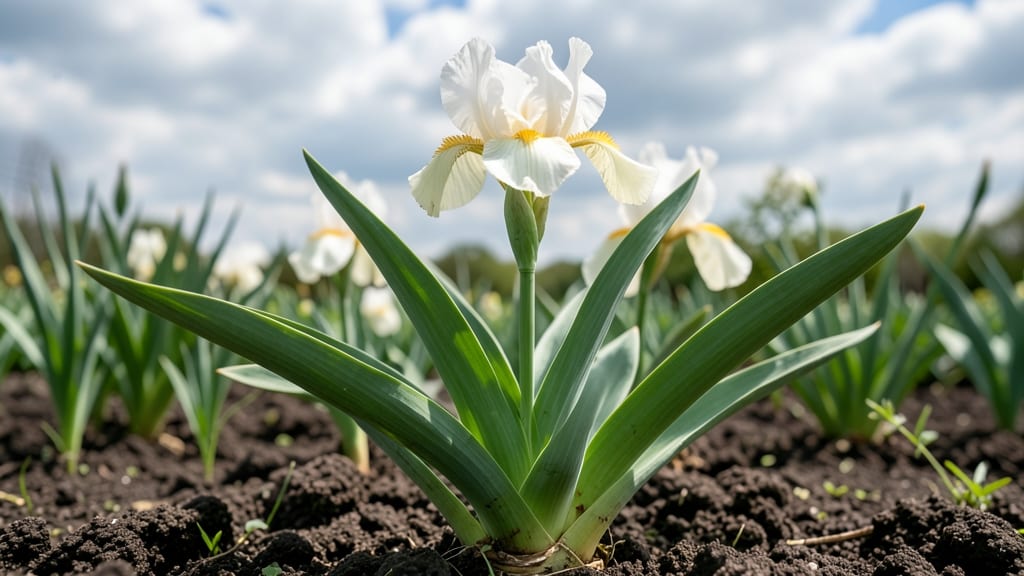
Timing your flowers planting in Delaware right means the difference between a garden bursting with color and one that struggles to take root.
With Delaware’s USDA Zone 7b climate, you’ve got a narrow window to get it perfect—plant too soon, and frost will nip your blooms; too late, and you’ll miss peak flowering season.
I’ve grown 🌸 flowers in Delaware for years, and the key is knowing when to start seeds indoors, when to transplant tender annuals, and which perennials can handle our unpredictable spring weather.
Whether you’re dreaming of fragrant tulips in spring or bold dahlias in summer, this guide will help you avoid common mistakes and maximize your garden’s potential.
From the last frost date around April 15 to the first chill in late October, Delaware’s growing season is short but sweet. I’ll break down the best months to plant everything from cool-loving pansies to heat-tolerant marigolds, so you can enjoy blooms from early spring through frost.
Ready to transform your yard into a year-round flower paradise? Let’s dive into the exact planting schedule that’ll have your garden thriving—no guesswork required.
Delaware’s frost dates and best flower planting months by season
Delaware’s USDA Zone 7b climate means you can grow a stunning variety of flowers, but knowing the last spring frost (April 15) and first fall frost (October 30) is key. These dates mark your planting windows and help you avoid frost damage to tender blooms.
Spring is prime time for most flowers, while fall offers a second chance for cool-season varieties that thrive in Delaware’s mild autumns.
Annual flowers like petunias and marigolds should go in the ground 2-4 weeks after the last frost, typically in early May. Perennials, such as coneflowers and black-eyed Susans, can be planted in early spring (March-April) or early fall (September) for established root growth before winter.
Bulbs like tulips and daffodils prefer planting in fall (October), while fall-blooming flowers like chrysanthemums need to be in by mid-August.
Delaware’s humid summers and moderate rainfall create ideal conditions for most flowers, but timing still matters. Planting too early risks frost damage, while planting too late can result in shorter bloom seasons.
For example, heat-loving annuals like zinnias should go in by late May, while cool-season flowers like pansies can handle light frosts and can be planted as early as late August for fall color.
Here’s a quick reference for Delaware’s planting seasons and flower types to maximize your garden’s beauty year-round:
| Season | Best Planting Months | Flowers to Plant | Notes |
|---|---|---|---|
| Early Spring | March-April | Perennials, bulbs, cool-season annuals | Plant after last frost risk passes. |
| Late Spring | May-June | Heat-loving annuals, summer bloomers | Avoid planting after June 15 for best results. |
| Summer | July-August | Succession plant cool-season flowers | Start seeds indoors for fall planting. |
| Fall | September-October | Bulbs, perennials, fall-blooming annuals | Plant bulbs by October 15 for spring blooms. |
Delaware’s long growing season (180 frost-free days) allows for two peak planting periods: spring and fall. Spring planting focuses on annuals and perennials that thrive in warm weather, while fall planting is ideal for bulbs and cool-season flowers that need time to establish roots before winter.
For example, dahlias should be planted in late May for summer blooms, while chrysanthemums need to be in the ground by mid-August for fall color.
Don’t overlook succession planting—this technique involves planting new batches of flowers every 2-3 weeks to ensure continuous blooms. For instance, sow cosmos seeds every 3 weeks from May through July to enjoy flowers until the first frost.
This method works especially well for heat-tolerant annuals like zinnias and sunflowers, which can handle Delaware’s summer heat if given enough water.
If you’re new to gardening in Delaware, start with low-maintenance perennials like daylilies or Russian sage, which thrive in USDA Zone 7b and require minimal care once established. These plants are forgiving and will reward you with years of blooms with little effort.
For annuals, opt for self-seeding varieties like nasturtiums or calendulas, which will reseed themselves year after year.
Keep an eye on Delaware’s microclimates, especially if you live near the coast or in inland areas. Coastal regions tend to have cooler temperatures and higher humidity, while inland areas can get hotter and drier in summer.
Adjust your planting schedule accordingly—coastal gardeners may plant 1-2 weeks later in spring to avoid late frosts, while inland gardeners should focus on heat-tolerant varieties and adequate watering.
For container gardening, you can extend your planting season by moving pots indoors or to a sheltered location during unexpected cold snaps. This is especially useful for tender annuals like geraniums or begonias, which can’t handle frost.
Start these plants indoors in late winter (February) and transition them outside after the last frost date.
Remember, Delaware’s soil pH often leans toward acidic, so
Delaware’s frost dates and best flower planting months by season
Delaware’s USDA Zone 7b climate means you can grow a stunning variety of flowers—but knowing the last spring frost (April 15) and first fall frost (October 30) is key. Planting too early risks frost damage, while waiting too long cuts your bloom season short.
Let’s break down the best times to plant for annuals, perennials, bulbs, and fall favorites to maximize your garden’s beauty.
Spring is the prime time for most flowers, but Delaware’s humid summers also allow for late summer and fall plantings. Cool-season flowers like pansies thrive in early spring or late summer, while heat-lovers like dahlias need to go in after the last frost.
Understanding these windows ensures your garden stays vibrant from April through October.
| Season | Plant Type | Best Planting Months | Frost Risk | Delaware Tip |
|---|---|---|---|---|
| Spring | Annuals | April–May | Low (after April 15) | Wait 2–4 weeks post-frost for best growth. |
| Spring | Perennials | March–April | Moderate (early spring) | Divide clumps in early spring for healthier plants. |
| Fall | Bulbs | September–October | Low (before Oct 30) | Plant tulips and daffodils 6 weeks before frost. |
| Late Summer | Cool-Season Annuals | August–September | Low (early August) | Pansies and snapdragons love cooler fall temps. |
| Summer | Heat-Tolerant Annuals | June–July | None (peak summer) | Marigolds and zinnias thrive in Delaware’s heat. |
For spring planting, focus on annuals like petunias and zinnias after the last frost. These bloomers need warm soil to germinate, so rushing them risks poor growth. Perennials, like daylilies and coneflowers, can go in as early as March, but avoid disturbing their roots if frost lingers.
Fall is ideal for bulbs like tulips and daffodils, which need 6–8 weeks of cool weather to establish roots before winter.
Plant them in September or early October to ensure they bloom next spring. Cool-season annuals, such as pansies, can also be sown in late summer for vibrant fall color.
Delaware’s humid summers demand extra care—water deeply in the morning to prevent fungal diseases. Heat-loving flowers, like dahlias and sunflowers, should be planted in June or July after the soil warms up. Mulch around plants to retain moisture and keep roots cool during peak summer heat.
Pro tip: Use row covers for early spring plantings to protect tender seedlings from unexpected late frosts. This extends your planting window by 2–3 weeks and ensures stronger, healthier blooms all season.