
Flowers
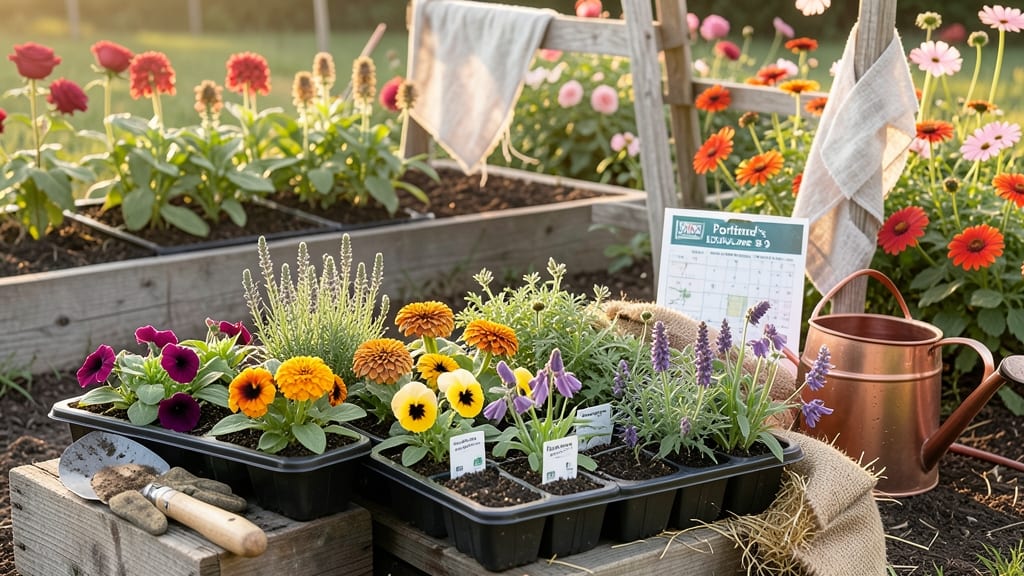
Learning when to plant flowers in Portland, Oregon perfectly means the difference between a showstopping garden and a sad, frost-nipped disappointment. With USDA Zone 8a weather that can swing from chilly mornings to unexpected heatwaves, knowing when to plant is everything.
Most gardeners here wait until after the last frost date—usually around mid-April—but that’s just the starting line. Coastal areas like Southwest Portland might be safe by early March, while inland spots like Hillsboro could need to wait until late April.
The key is understanding your microclimate, whether you're planting annuals for summer color or perennials that’ll return year after year.
I’ve tested what works in Portland’s soil and climate, from seed-starting indoors in February to transplanting heat-loving blooms in May. You’ll learn the exact windows for spring planting, how to adjust for containers, and which flowers thrive when planted in fall for early-season color.
Let’s cut through the guesswork so you can plant with confidence—and enjoy a garden that blooms reliably, no matter where you live in the city.
Portland’s frost-free planting zones: when to start seeds vs. transplant flowers
Portland’s USDA Zone 8a/8b climate means your flower garden can thrive year-round—but only if you time plantings right. The average last frost date is March 15, but microclimates shift this by weeks.
Urban areas like Downtown Portland warm up faster, while rural spots near the Columbia River Gorge stay colder longer. This means seed-starting indoors should begin 8-10 weeks before your target transplant date, while hardy perennials can often wait until mid-April.
For annual flowers, like marigolds or petunias, start seeds indoors by late February to give them a head start.
Transplant them after April 15 when soil temperatures hit 50°F+. Cold-hardy perennials, such as lavender or salvia, can go in the ground as early as February in sheltered spots, but wait until March 1 for most areas. Bulbs like tulips need to be planted 6-8 weeks before frost, so aim for late September to early October for spring blooms.
Key difference: Seed-starting gives delicate flowers a 4-6 week advantage over direct sowing. For example, tomatoes (yes, they’re flowers first!) need 10-12 weeks indoors before transplanting, while cosmos can handle direct sowing after April 1. Portland’s wet springs also mean well-draining soil is critical—amend with compost to prevent root rot.
Pro tip: Use row covers or cloche tunnels to extend your season. I’ve successfully transplanted pansies in early March using these, pushing blooms 4-6 weeks earlier than the average last frost date. Just remove covers when daytime temps hit 60°F to avoid overheating.
Here’s the critical timeline for Portland’s most popular flowers, broken down by seed-starting vs. transplanting:
| Flower Type | Seed Starting (Indoors) | Transplant (Outdoors) | Direct Sow (Outdoors) | Notes |
|---|---|---|---|---|
| Annuals (Marigolds, Petunias, Zinnias) | Late Feb - Early March | April 15 - May 1 | May 1 - June 1 | Need warmth; avoid frost |
| Perennials (Lavender, Salvia, Coneflowers) | Not needed | March 1 - April 1 | March 1 - April 1 | Hardy; mulch after planting |
| Bulbs (Tulips, Daffodils, Hyacinths) | Not needed | September 15 - October 15 | Not applicable | Plant before ground freezes |
| Vegetable Flowers (Tomatoes, Peppers) | Early March (10-12 wks before last frost) | May 1 - May 15 | Not recommended | Need long, warm season |
| Cool-Season Flowers (Pansies, Snapdragons) | Late July (for fall blooms) | August 15 - September 1 | September 1 - October 1 | Tolerate light frost |
Portland’s urban heat islands can push last frost dates 1-2 weeks earlier than rural areas. For example, Downtown Portland often sees 50°F soil temps by March 1, while Hillsboro may wait until March 15.
Microclimate-specific planting calendar: urban heat islands vs. rural cool spots
Portland’s microclimates can shift planting windows by 2-4 weeks depending on location. Downtown’s urban heat island stays warmer, while the Columbia River Gorge sees earlier frosts. Let’s break down the ideal planting windows for your specific zone.
For container gardens or raised beds, you can push dates 1-2 weeks earlier since soil warms faster. These microclimates matter most for tender annuals like zinnias or petunias, which need consistent warmth to thrive.
🌱
🌿 Microclimate Planting Windows
| Zone | Last Frost | Start Seeds Indoors | Transplant Outdoors | Fall Planting Window |
|---|---|---|---|---|
| Downtown Portland | March 20 | Feb 15 | April 15 | Aug 15 - Sep 15 |
| Eastside (Hillsboro) | March 10 | Feb 1 | April 1 | Aug 1 - Sep 10 |
| Westside (Beaverton) | March 15 | Feb 10 | April 10 | Aug 10 - Sep 12 |
| Columbia River Gorge | March 5 | Jan 25 | March 25 | July 20 - Aug 30 |
⚠️ Note: Adjust dates 1 week earlier for raised beds or container gardens.
If you’re growing cool-season flowers like pansies or snapdragons, you can plant as early as February in downtown areas. But wait until April for heat-loving tropical annuals like hibiscus or bougainvillea.
For perennials, divide and transplant in early spring (March) or early fall (September) to avoid stress. Bulbs like daffodils and tulips should go in October-November for spring blooms.
🌷