
Flowers
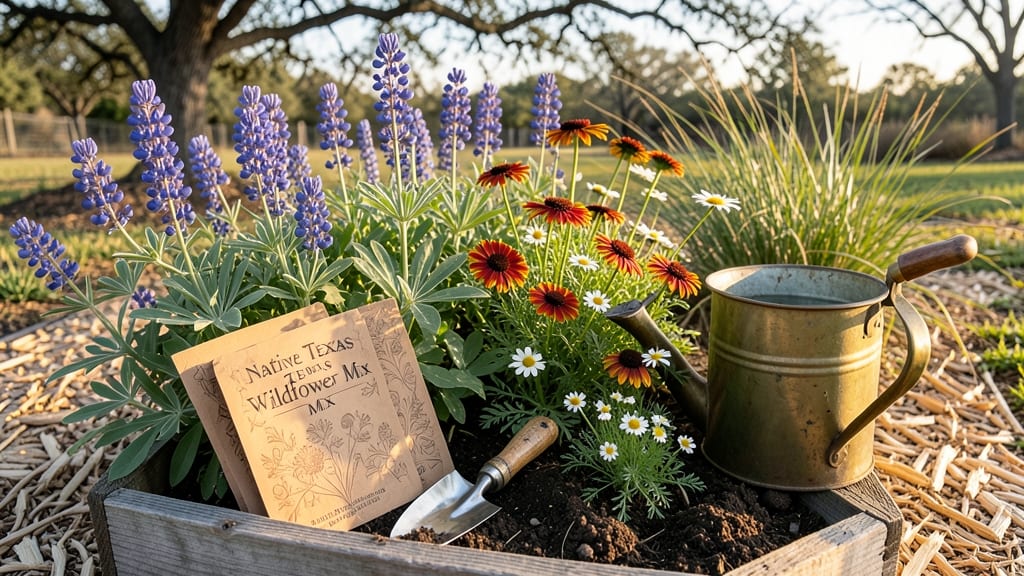
Timing your when to plant flowers in San Antonio isn’t just about picking a month—it’s about outsmarting the city’s brutal summers and sneaky winter frosts. One wrong move, and your 🌸 could turn into a sad, wilted memory before they even bloom.
But here’s the good news: with the right strategy, you can enjoy vibrant flowers year-round without the guesswork.
San Antonio’s USDA Zone 8b climate means you’ve got a narrow window to plant cool-season flowers before the heat sets in or after the last frost in January.
Fall planting (September–November) is your secret weapon—it gives roots time to establish before winter, while spring planting (February–March) lets you beat the summer heat. The key? Avoiding those scorching July days when even the hardiest flowers throw in the towel.
I’ve tested the best planting times for everything from drought-resistant Lantana to delicate marigolds, and I’ll show you exactly when to put them in the ground. Whether you’re a first-time gardener or a seasoned pro, these tips will help you skip the trial-and-error and get straight to the blooms.
Let’s make your garden thrive—no more wasted seeds or wilted dreams.
Ready to transform your yard into a year-round paradise? We’ll cover the perfect months for each flower type, how to prep your soil, and even which varieties will laugh at San Antonio’s heat. No more second-guessing—just beautiful, healthy flowers that last.
San Antonio’s heat zones explained: best planting months by flower type
San Antonio’s USDA Zone 8b climate means we enjoy 240 frost-free days—long enough to grow flowers almost year-round, but timing is everything. The key is avoiding peak summer heat (June-August) and preparing for unpredictable winter frosts (December-January).
Most gardeners focus on fall and spring planting to give flowers the best shot at thriving.
Fall planting (September-November) is ideal because cooler temperatures help roots establish before winter, while spring planting (February-March) lets you capitalize on San Antonio’s long, warm growing season. Annuals like marigolds and zinnias can handle summer heat if planted early, but perennials like blackfoot daisies prefer cooler seasons.
Here’s how to match your flower choices to San Antonio’s microclimates. The River Walk area stays cooler longer, while western neighborhoods can experience earlier frosts. Always check your local last frost date (January 15) and first frost date (December 15) as your planting deadlines.
For annuals, aim to plant 6-8 weeks before your target bloom time.
For example, if you want zinnias blooming by Memorial Day (May 25), start seeds in late March or transplant seedlings in early April. Perennials like blackfoot daisies can handle summer heat but establish best in fall.
San Antonio’s soil composition (clay-heavy in some areas) can delay planting. Amend with compost or sand to improve drainage before transplanting. Container gardening is a great option for heat-sensitive varieties, as you can move pots to shadier spots during peak afternoon heat (2 PM–5 PM).
Pro tip: Use mulch (straw or wood chips) to retain soil moisture and regulate temperature. Apply a 2-3 inch layer after planting to reduce watering needs by up to 30%. This is especially critical in June and July, when temperatures can exceed 100°F.
If you’re new to San Antonio gardening, start with heat-tolerant annuals like lantana or portulaca, which thrive in full sun and drought conditions. These varieties forgive planting mistakes and bloom continuously with minimal care.
For perennials, prioritize blackfoot daisies or Mexican sunflowers, which return year after year with zero fuss.
Always check the back of seed packets for days to maturity and work backward from your desired bloom time. For example, a 60-day zinnia planted on March 15
San Antonio’s heat zones explained: best planting months by flower type
San Antonio’s USDA Zone 8b climate means we enjoy 300+ frost-free days, but that doesn’t mean flowers can be planted anytime. The key is understanding how to match your flower types with the right planting windows to avoid heat stress or frost damage.
Most gardeners here focus on fall and early spring planting for the best results.
For cool-season flowers like pansies and snapdragons, aim for September through November—this gives them time to establish roots before winter. Heat-loving annuals, such as lantana and Mexican sunflower, thrive when planted in February or March, once the worst heat has passed.
Avoid planting anything in June or July unless it’s a shade-tolerant variety.
Last frost date in San Antonio is around January 15, while the first frost typically arrives by December 15. This means you have a 10-month growing window, but timing is everything. Planting too early can expose tender flowers to unexpected cold snaps, while planting too late may leave them struggling in summer heat.
| Flower Type | Best Planting Months | Key Considerations |
|---|---|---|
| Cool-Season Annuals | September–November | Plant 6–8 weeks before first frost; avoid summer heat. |
| Heat-Tolerant Annuals | February–March | Wait until soil warms to 60°F+; mulch to retain moisture. |
| Perennials | September–October | Establish roots before winter; water deeply after planting. |
| Bulbs (e.g., Tulips) | November–December | Plant 6 weeks before ground freezes; choose drought-tolerant varieties. |
If you’re planting container flowers, you have more flexibility—just ensure pots have drainage holes and use lightweight potting mix. Containers heat up faster, so move them to shadier spots during peak afternoon sun (12 PM–4 PM).
For in-ground plantings, amend soil with compost to improve drainage and water retention.
Pro tip: Monitor your local weather forecasts for unexpected cold snaps in fall or heatwaves in spring. If a 32°F night is predicted, cover delicate plants with frost blankets or row covers. This simple step can save your flowers from damage and extend your blooming season.
For spring planting, focus on heat-resistant varieties like zinnia or sunflower. These can handle San Antonio’s 90°F+ temperatures once established. Pair them with mulch to keep roots cool and water deeply in the morning to reduce evaporation. With the right timing, you’ll enjoy non-stop blooms from spring through fall!