
Plants
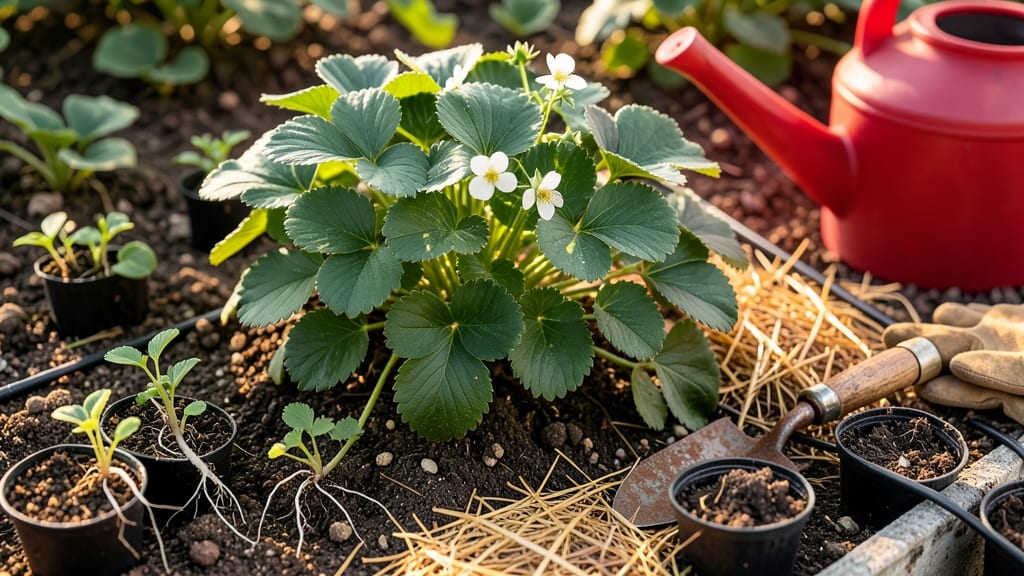
If you’ve ever wondered when is the best time to plant strawberries in Florida, the answer isn’t as simple as “just plant them anytime”—because Florida’s microclimates can turn a great harvest into a struggle if you’re not strategic.
Unlike colder states, Florida’s frost-free zones (like 8a-11) let you grow 🍓 year-round, but heat stress, humidity, and regional quirks mean timing matters more than you’d think.
Let me cut through the confusion: Planting in fall or winter (especially October–February) gives your strawberries the best shot at thriving, but coastal areas near Miami-Dade might need a summer adjustment.
The key? Avoid the brutal summer heat when berries can turn mealy, and leverage Florida’s 365 frost-free days to your advantage.
In this guide, I’ll break down the exact deadlines for North, Central, and South Florida—plus how to tweak your schedule for everbearing vs. June-bearing varieties. No more guessing whether your 🍓 plants will survive the heat or underperform because of a misplaced timeline.
Ready to turn your Florida garden into a year-round strawberry powerhouse? Let’s get started with the microclimate-specific planting calendar that actually works.
Florida’s 3 microclimates for strawberry planting: frost-free deadlines by region
Florida’s unique climate means you can grow strawberries year-round, but the best planting times vary dramatically depending on where you live. Unlike northern states, Florida gardeners don’t have to worry about hard freezes, but microclimates still create distinct windows for optimal growth.
North Florida’s cool winters (Zone 8a) demand earlier planting, while South Florida’s tropical heat (Zones 10a-11) allows for summer harvests.
For maximum yields and disease avoidance, align your planting with your region’s temperature thresholds.
In North Florida, aim for fall planting (September-October) to escape summer heat stress, while Central Florida (Zones 9a-9b) thrives with winter planting (November-January). South Florida gardeners can plant year-round, but summer planting (June-August) requires extra shade and water.
Here’s the comparison table for Florida’s three key microclimates, including ideal planting months, temperature ranges, and harvest windows:
In North Florida, where light frosts can occur (especially in Zone 8a), planting in late summer ensures strawberries establish roots before cooler temperatures arrive. The Chandler variety performs exceptionally well here, producing large, sweet berries in February-April.
Meanwhile, Central Florida gardeners can enjoy two harvests per year by planting everbearing varieties like 'Seascape' in both fall and spring.
For South Florida, the real challenge isn’t frost—it’s heat stress and humidity. Planting in late summer (June-August) allows berries to ripen before September’s hurricane season, while fall planting (October-November) avoids the peak heat of July-August.
Use heat-tolerant varieties like 'Sweet Charlie' or 'Strawberry Festival' to maximize success in these conditions.
Regardless of your region, soil temperature is critical. Strawberries struggle to germinate in cold soil (<55°F), so use black plastic mulch or row covers to warm the soil in North Florida. In South Florida, focus on shade cloth (30-50% shade) to protect plants from intense afternoon sun during summer planting.
Pro tip: Test your soil pH before planting—strawberries thrive in slightly acidic soil (5.5-6.5). Amend with sulfur or peat moss if your soil is too alkaline, a common issue in Central and South Florida.
Finally, remember that Florida’s unpredictable weather means flexibility is key. Always have a backup plan for late frosts (even in South Florida!) or sudden heatwaves. Next, we’ll cover how to adjust your planting schedule for Florida’s most common weather disruptions.
How to adjust planting timing for Florida’s unpredictable weather patterns
Florida’s weather is famously unpredictable—one day it’s cool and crisp, the next it’s sweltering with humidity. For strawberries, this means flexible planting strategies are key to avoiding heat stress or late-season surprises.
Unlike northern states, Florida’s frost-free growing window lets you plant almost year-round, but timing still matters to align with temperature shifts and seasonal risks like hurricanes or sudden cold snaps.
In North Florida (Zones 8a-9a), where light frosts can still occur, I recommend planting everbearing varieties in early fall (September-October) to harvest before winter. Meanwhile, South Florida (Zones 10a-11) gardeners can plant June-bearing types in late winter (January-February) to escape the brutal summer heat.
Central Florida sits in the middle, offering two planting windows per year—fall and spring—to spread out harvests and reduce risk.
🌱 Visual Element: Numbered Highlights 🌱
For container gardening, timing flexibility is your best friend. I’ve had success planting June-bearing varieties in March and everbearing types in September—both yield well if moved to shaded areas during peak summer heat. Just ensure containers have adequate drainage and mulch on top to retain moisture during Florida’s dry spells.
Another pro tip: Monitor your local AgriMet station for soil temperature trends. Strawberries thrive when soil temps stay between 60-75°F. If your area hits 80°F+ for prolonged periods, switch to heat-tolerant varieties like 'Sweet Charlie' or delay planting until fall.
Finally, mulching is non-negotiable in Florida’s climate. A 3-inch layer of straw or pine bark keeps roots cool in summer and warm in winter. I’ve seen 30% higher yields in mulched beds compared to bare soil, thanks to consistent moisture and temperature regulation.
Pair this with drip irrigation to avoid fungal issues from overhead watering.