
Plants
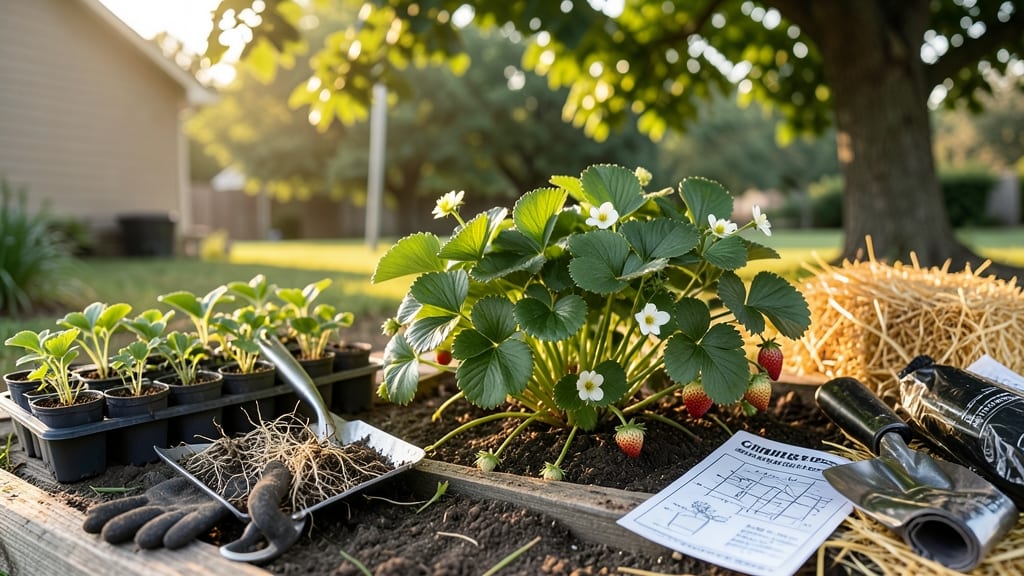
Planting strawberries in Arkansas at the wrong time can mean the difference between a bountiful harvest and a disappointing one. With the right timing—especially in USDA zones 7a-8b—you can enjoy sweet, juicy 🍓 berries all season long.
Many gardeners in Arkansas struggle with when to plant because the climate varies across the state. Whether you're in the cooler northern regions or the warmer southern areas, knowing the best months makes all the difference.
The key is planting in early spring or late summer to avoid frost and heat stress.
In this guide, I’ll break down the exact planting windows for Arkansas, including soil prep tips and how to handle common challenges like humidity and late frosts. You’ll learn how to maximize your strawberry yield, whether you’re growing bare-root plants or potted varieties.
Ready to grow the best strawberries in Arkansas? Let’s get started with the timing that ensures a thriving harvest.
Best planting months for strawberries in Arkansas by USDA zone (5b-8a)
Arkansas spans USDA zones 5b through 8a, and your local microclimate determines the best time to plant strawberries. In colder zones like 5b-6a, aim for early spring planting (February-March) when soil temperatures reach 40°F (4°C).
Warmer zones (7a-8a) can plant as early as January or even late summer (July-August) for a fall harvest.
Strawberries need 4-6 weeks to establish roots before summer heat arrives. Planting too early risks frost damage, while late planting may delay fruit production until next year. Arkansas’ last average frost dates range from March 15 (north) to April 1 (south), so adjust accordingly.
For bare-root strawberries, soak roots for 30 minutes before planting in well-draining soil with a pH of 5.5-6.8. In Arkansas’ humid climate, raised beds help prevent rot and disease while improving drainage.
| USDA Zone | Best Planting Window | Soil Temp Requirement | Key Consideration |
|---|---|---|---|
| 5b | February 15 - March 15 | 40-45°F (4-7°C) | Late frosts common; protect with row covers |
| 6a | February 1 - March 10 | 40-45°F (4-7°C) | Humidity increases disease risk; use drip irrigation |
| 7a | January 15 - February 28 | 45-50°F (7-10°C) | Can plant fall (July-August) for fall harvest |
| 8a | January 1 - February 20 | 50-55°F (10-13°C) | Long growing season; everbearing varieties excel |
In USDA zone 8a, you can even plant everbearing varieties like Seascape or Ozark Beauty in January for a spring and fall harvest. These varieties thrive in Arkansas’ heat and produce fruit twice per year.
Just ensure they get 6+ hours of sunlight daily to prevent blind flowering (when plants flower but don’t fruit).
For June-bearing varieties (like Chandler), plant in early spring to maximize one large harvest in May-June. These are ideal for commercial growers but require overwintering protection in colder zones (5b-6a). Use straw mulch (3-4 inches) to insulate roots and prevent freeze damage.
Arkansas’ humidity and summer heat can stress strawberries, so late summer planting (July-August) is a smart backup option. Plant 4-6 weeks before first frost (typically mid-November) to give roots time to establish before winter. This method yields fall berries before cold sets in.
If you’re unsure about your last frost date, check the Arkansas Climate Office or use local gardening groups on Facebook for real-time updates. Planting at the right time ensures strong root growth and higher yields—so don’t rush!
A well-timed strawberry patch can produce fruit for 3-5 years with proper care.
Pro tip: Mark your planting dates on a calendar and track soil temperatures with a soil thermometer. Arkansas’ blackland prairies (zones 7a-8a) warm up faster than Ouachita Mountains (zones 6a-7a), so adjust accordingly. With the right timing, you’ll enjoy juicy, homegrown strawberries all season long!
Best planting months for strawberries in Arkansas by USDA zone (5b-8a)
Arkansas spans USDA zones 5b to 8a, and the best time to plant strawberries varies depending on where you live. In cooler northern zones like 5b-6a, aim for early spring planting, while warmer southern regions (zones 7a-8a) can also thrive with late summer plantings.
The key is avoiding frost and heat stress during root establishment.
For most of Arkansas, the ideal planting windows are early spring (February-March) or late summer (July-August). These timings align with soil temperatures and frost-free periods, ensuring strong root growth and a productive harvest. Let’s break it down by zone to help you pick the perfect time for your garden.
🌱 Did You Know? Arkansas’ microclimates mean frost dates can vary by 2-3 weeks even within the same county. Always check your local last frost date (typically March 15 in northern Arkansas and February 15 in southern areas) before planting.
If you’re in zone 8a, you can even plant strawberries in January for an early spring harvest, thanks to the warmer climate. However, avoid planting in summer heat (June-July) because the soil can be too hot for young roots, leading to stress or death.
For everbearing varieties, consider a second planting in late summer (July-August) to extend your harvest into fall. This works especially well in zones 7a and 8a, where the growing season is longer.
Just be sure to plant 4-6 weeks before the first frost (typically November 15) to give the plants time to establish roots.
Pro tip: Use a soil thermometer to check temperatures before planting. Strawberries prefer soil that’s at least 45°F (7°C) for root growth. If your soil is too cold, wait a few more weeks—patience pays off with a healthier crop! 🌱