
Plants
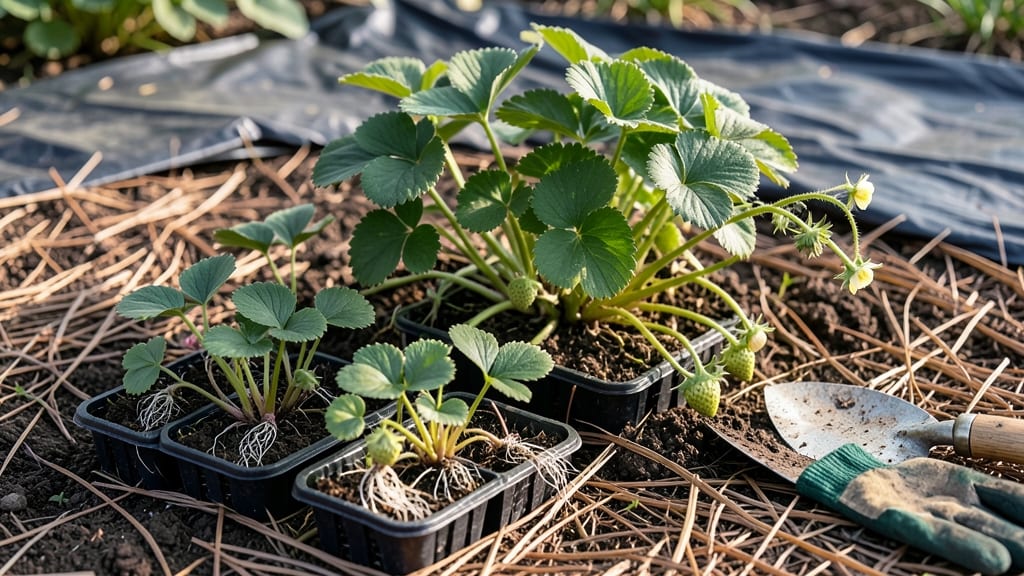
Planting strawberries in Kansas at the wrong time can mean the difference between a bountiful harvest and a disappointing patch of tiny berries—or worse, no fruit at all. With USDA Zones 5B and 6A bringing unpredictable frosts and sweltering summers, timing your 🍓 planting is the key to success.
Most Kansas gardeners swear by spring planting, but fall can also work—if you play by the rules. The secret lies in soil temperatures, frost dates, and choosing the right varieties for your microclimate.
Whether you're growing June-bearing or everbearing strawberries, getting the timing right ensures stronger roots and bigger yields when harvest season rolls around.
I’ve tested what works in Kansas gardens, from clay-heavy soils to urban plots, and the best planting windows aren’t always what you’d expect.
Let me walk you through the exact months to plant, how to prep your soil, and which strawberry types thrive in your specific zone—so you can enjoy sweet, juicy berries from summer through fall.
Ready to turn your Kansas garden into a strawberry paradise? The first step is knowing when to put those plants in the ground—and trust me, the difference is night and day. Let’s get started.
Best planting windows in Kansas (zone 5B/6A) for June-bearing vs. everbearing varieties
Kansas gardeners get two prime windows to plant strawberries—spring and fall—but timing depends on your variety type and microclimate. June-bearing varieties need cold dormancy (4-6 weeks below 40°F), while everbearing types tolerate milder winters.
Most of Kansas falls in USDA Zones 5B-6A, where last frost dates range from mid-April (southern KS) to late May (northern KS).
For June-bearing strawberries (like Jewel or Chandler), plant bare-root crowns in early spring (March-April) when soil reaches 45°F or fall-plant potted varieties (August-September) to establish roots before winter. Everbearing types (Seascape or Albion) handle late spring planting (April-May) better due to their shorter dormancy needs.
Kansas’ clay-heavy soils and variable frost dates create challenges. Southern KS (Zone 6A) can plant 2 weeks earlier than northern KS (Zone 5B). Always check your local frost-free date—planting too early risks frost damage, while late planting delays first harvests.
🌱
Your Kansas county matters—Wichita (Zone 7A) can plant 2 weeks earlier than Topeka (Zone 6A). Use the USDA Plant Hardiness Map to pinpoint your exact zone. For container gardening, everbearing varieties thrive in pots and can be moved to protected microclimates (like near south-facing walls) to extend harvests.
Pro tip: Mulch heavily (4-6 inches of straw) after planting to insulate roots during Kansas’ temperature swings. This prevents root heave in freeze-thaw cycles—a common issue in clay soils.
🌿
If you miss the spring window, don’t panic—fall planting works for June-bearing types if done 6-8 weeks before first frost. Potted plants adapt better to Kansas’ short growing season than bare-root crowns. Just avoid planting after September 15th in northern KS, as roots won’t establish before winter.
For maximum yields, combine spring and fall planting: Start June-bearing in early spring and everbearing in late spring to stagger harvests from June through October. This two-pronged approach beats Kansas’ short harvest window and ensures berries when they’re most profitable.
✂️
Best planting windows in Kansas (zone 5B/6A) for June-bearing vs. everbearing varieties
Kansas gardeners know timing is everything for strawberry success. In USDA Zones 5B/6A, the ideal planting window depends on your variety—June-bearing or everbearing—and whether you're planting in spring or fall.
June-bearing types need cold stratification (4-6 weeks below 40°F) to set fruit, while everbearing varieties are more flexible.
For spring planting, aim for early April when soil temperatures reach 45°F or warmer. This gives plants time to establish roots before summer heat arrives. Fall planting, however, is often more successful in Kansas—plant in late August to early September to allow roots to grow before winter dormancy.
Soil temperature is critical: strawberries won’t thrive in cold, wet soil. Use a soil thermometer to confirm it’s at least 50°F before planting. In Kansas’ clay-heavy soils, amending with compost or sand improves drainage and warmth retention.
Here’s how June-bearing vs. everbearing varieties differ in Kansas:
| Variety Type | Best Planting Time | Cold Requirement | Kansas Notes |
|---|---|---|---|
| June-Bearing | Late August–early Sept (fall) or early April (spring) | 4–6 weeks below 40°F | High yields but single harvest; plant early for best fruit size. |
| Everbearing | Late August–early Sept (fall) or March–April (spring) | 2–4 weeks below 40°F | Multiple harvests; better for Kansas’ shorter seasons. |
| Day-Neutral | March–April or Sept–Oct | None | Best for extended harvests; thrives in Kansas heat. |
In Kansas, fall planting is often preferred because it avoids spring drought stress and gives plants a head start. However, if you miss the fall window, bare-root plants can be planted in early spring (March–April) as soon as the ground is workable.
For potted plants, extend your window until mid-April.
Watch for last frost dates: Kansas’ average last frost in Zone 5B is April 15, while Zone 6A sees it around April 1.
Planting too early risks frost damage, while waiting too long delays root establishment. Everbearing varieties like Albion or Seascape are top picks for Kansas gardeners due to their adaptability.
Pro tip: Mulch heavily after planting with straw or leaves to protect roots from temperature swings and retain moisture during Kansas’ dry spells. This simple step can double your yield by reducing stress. 🌱