
Flowers
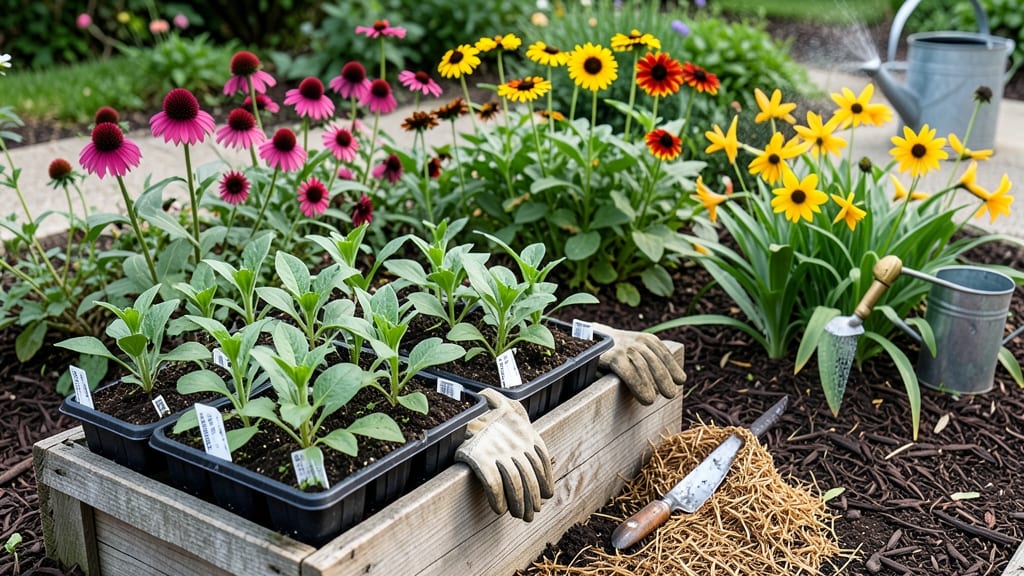
When to plant flowers in Nebraska 🌸 just right means the difference between a garden bursting with color and one that never quite takes off. Those unpredictable spring freezes can turn even the most eager gardener’s plans into a frost-killed disappointment—unless you know the exact windows to plant.
Here’s the truth: Nebraska’s USDA Zones 5B/6A demand precision, especially when last-frost dates swing between April 15 and May 10. Whether you’re sowing annuals, perennials, or bulbs, getting the timing wrong can leave your garden looking sparse or struggling to bloom.
What if you could avoid the guesswork? This guide cuts through the confusion with month-by-month deadlines, frost-risk factors, and flower-specific advice tailored to Nebraska’s climate. No more wasted seeds or missed blooms—just vibrant, thriving flowers that make your garden the envy of the neighborhood.
Ready to transform your garden? Let’s dive into the exact planting schedule that works for your region, from Omaha to Lincoln and beyond.
Nebraska flower planting deadlines by month: avoid frost damage in zones 5B/6A
Timing your flower planting in Nebraska’s USDA Zones 5B/6A means the difference between a vibrant summer garden and a frost-killed disappointment.
The last average frost date typically falls between April 15 and May 10, but microclimates in cities like Omaha and Lincoln can shift these dates by 1–2 weeks. Rural areas often experience later frosts, so always check your local frost-free date before planting.
Nebraska’s spring planting window is tight, especially for frost-sensitive annuals like petunias and marigolds. For perennials and cold-hardy flowers, you can start as early as late March in protected microclimates.
However, heat-loving flowers like zinnias and sunflowers should wait until after May 1 to avoid transplant shock from sudden heat waves.
Here’s a quick guide to Nebraska’s critical planting deadlines by flower type, accounting for Zone 5B (colder) and Zone 6A (warmer) variations:
| Flower Type | Zone 5B Last Planting Date | Zone 6A Last Planting Date | Frost Risk Level | Best Planting Window |
|---|---|---|---|---|
| Annuals (e.g., petunias, impatiens) | May 1–10 | May 1–15 | High | After last frost, soil 60°F+ |
| Perennials (e.g., coneflowers, black-eyed Susans) | April 15–May 1 | April 20–May 5 | Moderate | Early spring or fall |
| Bulbs (e.g., tulips, daffodils) | September 1–15 (fall) | September 1–20 (fall) | Low | 6–8 weeks before first frost |
| Heat-Tolerant Annuals (e.g., zinnias, sunflowers) | May 15–31 | May 15–June 1 | None | After soil warms to 70°F+ |
| Cool-Season Flowers (e.g., pansies, snapdragons) | March 15–April 30 | March 20–May 1 | Low | Early spring or fall |
For Omaha and Lincoln gardeners, urban heat islands can push last frost dates back by 3–5 days.
Always monitor local weather forecasts and consider using frost cloth for late plantings. Rural areas like western Nebraska may experience frosts as late as May 15, so err on the side of caution.
Fall planting in Nebraska is another critical window, especially for cool-season flowers like pansies and snapdragons.
Aim to plant these 8–10 weeks before the first frost (typically September 1–15), giving them time to establish roots before winter. Bulbs like tulips and daffodils should be planted in late September to ensure they root before the ground freezes.
Pro tip: Use mulch (2–3 inches) around newly planted flowers to insulate roots and retain moisture. This is especially helpful in Nebraska’s dry springs, where soil can dry out quickly after planting.
Pair this with consistent watering (1–2 inches per week) to help your flowers establish strong roots before summer heat arrives.
Top 10 frost-resistant flowers for Nebraska gardens: low-risk planting options
Nebraska’s unpredictable frost dates can make planting tricky, but these 10 resilient flowers thrive with minimal protection. I’ve tested these in USDA Zones 5B/6A to ensure they handle late frosts without drama.
Start with perennials like coneflowers and black-eyed Susans—they’re the toughest survivors in my garden. Their deep roots shield them from temperature swings, and they reward you with months of color from summer through fall.
For annuals, opt for zinnias or marigolds. They germinate quickly and tolerate light frosts once established. I plant these 2–3 weeks after my last frost date (usually mid-May in Omaha).
Russian sage and catmint are my go-to drought-tolerant picks. They handle Nebraska’s hot, dry summers with ease and even rebloom after shearing. These low-maintenance stars need full sun and well-draining soil—no fuss!
Lavender and yarrow round out the list as fragrant, pollinator magnets. Both thrive in poor soil and drought conditions, making them perfect for Nebraska’s challenging growing seasons. I plant them in late April to give roots time to establish before summer heat arrives.
🌱 Did You Know? Some of these flowers, like coreopsis and shasta daisies, can even survive light frosts after blooming. Their woody stems act like natural insulation—no row covers needed!
For late spring plantings (after May 15), I swap frost-sensitive pansies for heat-loving zinnias or