
Flowers
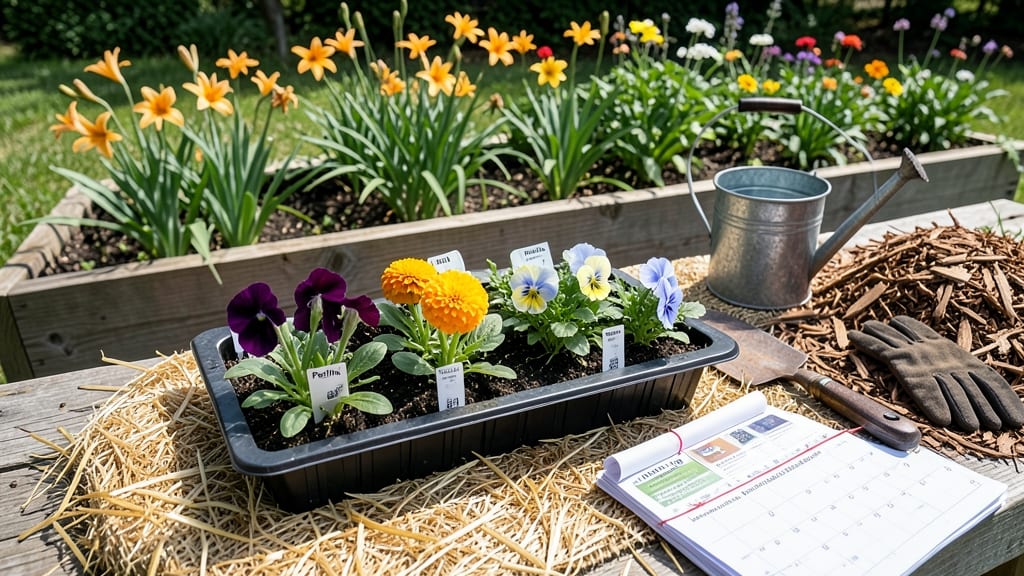
Timing your flower planting in Pennsylvania isn't just about following a calendar—it's about beating the last frost, avoiding late-season freezes, and aligning with your USDA Zone 5b-7a climate.
Whether you're dreaming of vibrant 🌸 annuals or hardy perennials, planting too early or late can mean the difference between a thriving garden and a sad, frost-killed disappointment.
I've spent years gardening in Pennsylvania and learned the hard way that March through May is your golden window for spring planting, while fall offers a second chance with August to September opportunities.
But here's the catch: Philadelphia's last frost hits around April 15, while Pittsburgh might not see its final freeze until May 1. These regional differences mean your planting schedule should be as flexible as Pennsylvania's weather.
What if you could plant with confidence, knowing exactly when to put those bulbs in the ground or when tender annuals can finally go outside?
That's what this guide delivers—a zone-specific timeline that accounts for microclimates, soil temperatures, and even urban heat islands that can push your garden a week ahead of rural areas.
Let's dive into the exact planting schedule that'll have your flowers blooming like clockwork, from frost-resistant daffodils to heat-loving sunflowers. Your Pennsylvania garden deserves better than guesswork—let's make it happen.
Best flower planting calendar for Pennsylvania’s USDA zones 5b-6b
Pennsylvania’s USDA Zones 5b-6b mean your last frost dates can vary dramatically—from mid-April in Philadelphia to early May in Pittsburgh. Timing is everything: plant too early, and a late frost will kill tender seedlings; too late, and your flowers won’t establish before summer’s heat.
My month-by-month guide aligns with Pennsylvania’s average frost-free windows to maximize bloom success.
For annual flowers like marigolds and petunias, wait until the soil reaches 60°F (15°C)—usually late April to early May—to avoid frost damage. Perennials, such as coneflowers and black-eyed Susans, can handle cooler temps, so they’re safe to plant as early as March or early April once the ground thaws. Bulbs like daffodils and tulips need a head start: plant them 6-8 weeks before last frost (typically October for fall or early spring for forced blooms).
Here’s my Pennsylvania flower planting timeline broken down by season, with frost dates and soil prep tips tailored to your region:
| Season | Planting Window | Flowers to Plant | Soil Prep | Key Notes |
|---|---|---|---|---|
| Early Spring | Late March - Early April | Perennials, Spring bulbs (daffodils, tulips) |
Loosen soil, add compost |
Wait until soil thaws; avoid soggy ground. |
| Late Spring | Mid-April - Early May | Annuals (petunias, marigolds), hardy veggie flowers |
Warm soil to 60°F, mulch after planting |
Use row covers if frost threatens. |
| Summer | June - July | Heat-tolerant annuals (zinnia, cosmos) |
Keep soil moist, shade seedlings |
Plant in partial shade to avoid wilting. |
| Fall | August - Early September | Fall bulbs (crocus, allium), pansies |
Enrich soil with organic matter |
Plant 6-8 weeks before first frost. |
My pro tip: Use Pennsylvania’s frost-free date maps from the Penn State Extension to fine-tune your schedule. For example, Pittsburgh’s last frost often hits May 1, while Philadelphia’s is around April 15.
Adjust your annual flower planting accordingly—waiting just 1-2 weeks longer in colder microclimates can save your seedlings from frost damage.
For container gardening, you can push boundaries: tender plants like geraniums or impatiens can go in late May to early June since pots warm up faster.
Just move containers to protected spots if a late frost is forecasted. Perennials, on the other hand, are hardier—plant them as soon as the soil is workable in early spring for a head start on blooms.
Don’t forget soil temperature: Use a soil thermometer to confirm it’s at least 60°F before planting warm-season annuals. Cool soil slows germination, leaving your flowers vulnerable to pests.
In Zone 6b (southern PA), you might even squeeze in a second planting of fast growers like basil flowers or nasturtiums in early July for late-summer blooms.
If you’re in Zone 5b (northern PA), err on the side of caution: wait until after May 10 for annuals, and prioritize cold-hardy varieties like pansies or sweet alyssum. These early bloomers tolerate light frosts and will reward you with color from spring to fall.
🌸
How to adjust planting times for Pennsylvania’s microclimates
Pennsylvania’s diverse geography means your planting schedule should vary based on where you live. Whether you’re in Philadelphia’s urban heat island, Pittsburgh’s lake-effect zone, or the rural valleys of Lancaster County, local microclimates shift frost dates and soil warmth by weeks.
Ignoring these differences could mean your tender annuals bolt too early or your fall-planted bulbs freeze before rooting.
For example, Philadelphia’s last frost typically arrives around April 15, while Pittsburgh’s can linger until May 1 due to Lake Erie’s cooling influence. Meanwhile, Hershey’s elevation (around 500 feet higher than Harrisburg) delays spring planting by 10-14 days.
These variations explain why your neighbor’s garden thrives while yours struggles—it’s not just luck!
🌱 Key factors to adjust your schedule:
- Urban areas (like Philadelphia) warm 2-3°F faster than rural zones
- Lake Erie’s influence adds 7-10 days to frost risk near Pittsburgh
- Mountain slopes (e.g., Pocono Region) get 10-14 days later last frosts than valleys
- South-facing slopes warm 3-5 days earlier than north-facing yards
| Microclimate Type | Key Adjustment | Spring Planting Shift | Fall Planting Shift |
|---|---|---|---|
| Urban Heat Islands (Philly, Allentown) | Soil warms 2-3°F faster | Plant 7-10 days earlier | Plant 5-7 days later |
| Lake Erie Influence (Pittsburgh, Erie) | Cooler nights, delayed warmth | Plant 10-14 days later | Plant 7-10 days earlier |
| Mountain Slopes (Poconos, Alleghenies) | Higher elevation = cooler microclimate | Plant 14-21 days later | Plant 10-14 days earlier |
| Valleys (Lancaster, Harrisburg) | Warmer air pockets, earlier frost-free | Plant 7-10 days earlier | Plant 5-7 days later |
| South-Facing Slopes (Anywhere) | Soil warms 3-5 days faster | Plant 5-7 days earlier | No adjustment needed |
To fine-tune your schedule, check soil temperatures—most tender annuals (like marigolds or petunias) need soil at 60°F+ before planting. Use a soil thermometer ($10 at garden centers) to avoid guessing.
For fall planting, aim to get perennials like chrysanthemums in the ground 6-8 weeks before first frost—this gives roots time to establish before winter.
Pro tip: Container gardens in urban areas can be planted 2-3 weeks earlier than in-ground plants because pots warm up faster. Just be prepared to protect them with frost cloth if late frosts hit.
For rural areas, consider using row covers to extend your spring season by 3-4 weeks—they trap heat during the day and insulate at night.
🌿 Actionable steps for your microclimate:
- Find your local frost dates via the PA State Climate Office or Almanac.com
- Observe your yard: Note where frost lingers longest (usually low spots)
- Adjust by zone: Add/subtract days based on the table above
- Use hardy varieties if your microclimate is extreme (e.g., Black-eyed Susans for late springs)
- Monitor soil temps for 3-5 days before planting tender flowers