
Flowers
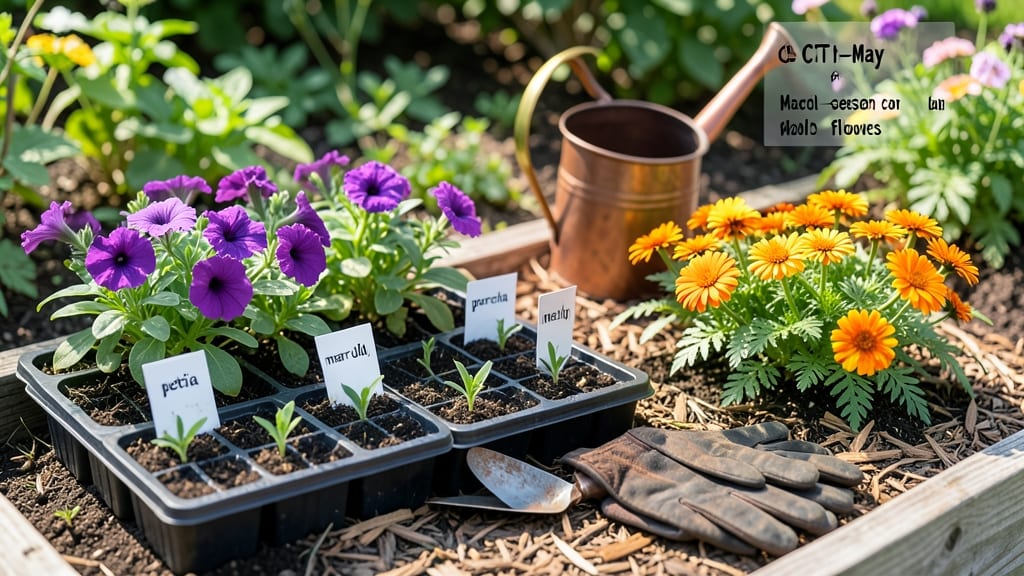
Timing your flower planting in Connecticut can mean the difference between a garden bursting with color and one that barely makes it past May. With USDA Zones 5b-6b and unpredictable spring weather, knowing when to plant flowers in CT is your secret weapon for vibrant blooms all season.
Whether you're a first-time gardener or a seasoned pro, getting the timing right is everything. Too early, and a late frost can wipe out your tender seedlings. Too late, and you might miss the ideal window for full-season blooms.
I'll break down the exact dates you need to know for annuals, perennials, and bulbs in your specific zone.
We'll also cover how to adjust for your local microclimate—whether you're in urban Hartford or rural Litchfield County. Learn which flowers thrive when planted early in cool soil and which need to wait for warmer temperatures. By the end, you'll have a clear planting schedule that accounts for Connecticut's quirks.
Ready to transform your garden into a year-round display of color? Let's dive into the precise timing that will give you the most stunning blooms, no matter where you are in the state.
Connecticut flower planting calendar by hardiness Zone (5b vs 6b)
Connecticut’s USDA hardiness zones 5b and 6b create subtle but critical differences in planting timing. Zone 6b (warmer, like Fairfield County) enjoys 2-3 weeks earlier planting than Zone 5b (cooler, like Litchfield Hills).
The key? Watch for consistent daytime temperatures above 50°F and soil temperatures reaching 60°F—both signals your flowers are safe from frost damage.
For annual flowers, timing depends on whether they’re cool-season lovers (like pansies) or warm-season thrivers (like petunias). Perennials and bulbs have their own windows, often tied to last average frost dates (typically May 10-20 for Zone 6b, May 25-June 5 for Zone 5b).
Here’s how to navigate the 120-day growing window in Connecticut with precision:
| Plant Type | Zone 5b (Cooler) | Zone 6b (Warmer) | Key Notes |
|---|---|---|---|
| Cool-Season Annuals | April 15-May 10 | April 1-May 1 | Pansies, snapdragons, sweet peas. Plant early for spring blooms. |
| Warm-Season Annuals | May 25-June 10 | May 10-May 25 | Petunias, marigolds, zinnias. Wait for soil warmth. |
| Perennials | April 20-May 15 | April 10-May 10 | Coneflowers, black-eyed Susans. Divide in early spring. |
| Spring-Blooming Bulbs | September-October (Fall) | September-October (Fall) | Tulips, daffodils. Plant 6-8 weeks before ground freezes. |
| Fall Planting (Perennials) | September 15-October 15 | September 1-October 10 | Mums, asters. Establish roots before winter. |
Urban gardeners in Hartford or New Haven (Zone 6b) can push dates 1 week earlier than rural areas, thanks to heat-island effects. Conversely, western CT’s higher elevations (like Torrington) may need to delay by 5-7 days.
Always check local frost records—your town’s last frost can vary by 10 days from the average.
For container gardening, warm-season flowers can go in 2 weeks earlier than ground planting, since pots warm up faster. Just ensure containers have drainage holes to prevent root rot from Connecticut’s frequent spring rains. My petunias in containers bloomed 3 weeks earlier than those planted in the ground!
Pro tip: Use biodegradable plant markers to track what you’ve planted and when. I label mine with the variety name and planting date—it’s saved me from overwatering cool-season flowers after they’ve bolted for summer.
Remember, soil temperature matters more than air temperature. Stick a soil thermometer in your garden—when it hits 60°F, warm-season flowers are safe. For Zone 5b gardeners, this often means waiting until late May for heat-loving varieties like geraniums or salvias.
If you’re staggering plantings for continuous blooms, start with cool-season flowers in early April, then add warm-season varieties every 2 weeks until mid-June. This ensures your garden never looks bare—just like my front yard stays colorful from April to October!
🌱 For first-time CT gardeners, bookmark your local Cooperative Extension office’s frost dates—they’re updated annually. The UConn Home & Garden Education Center is a goldmine for region-specific advice.
Best flowers to plant early vs. late in Connecticut’s short growing season
Connecticut’s 120-day growing window demands smart planning to maximize blooms. Early-season flowers like tulips and pansies thrive in cool soil, while marigolds and zinnias need warmer temperatures. Pairing these strategically ensures continuous color from spring through fall.
For Zone 5b, prioritize cool-hardy annuals (e.g., snapdragons) in April, while Zone 6b gardeners can start petunias by mid-May. My no-fail list balances resilience with vibrancy, accounting for CT’s unpredictable weather shifts.
🌱
- Tulips & Daffodils: Bulbs planted in fall bloom early, beating frost. Choose Darwin hybrids for bold color.
- Pansies & Violas: Tolerate light frost and thrive in partial shade. Ideal for containers or borders.
- Snapdragons: Cool-season stalwarts that rebound after late frosts. Stagger plantings for extended blooms.
- Sweet Alyssum: Drought-tolerant and attracts pollinators. Perfect for rock gardens or edging.
- Marigolds: Heat-lovers that repel pests. Plant after last frost (typically May 15 in Zone 6b).
- Zinnias: Fast-growing annuals with long vase life. Deadhead for nonstop blooms.
- Black-Eyed Susans: Perennial powerhouses that thrive in poor soil. Plant in late spring for summer color.
- Cosmos: Drought-resistant and self-seeding. Ideal for cut flowers and pollinators.
Staggered planting is key—sow half your marigolds in June and the other half in July to extend blooms into October. My trick? Use biodegradable pots to avoid transplant shock when adding late-season varieties.
For shade gardens (common in CT’s humid microclimates), opt for impatiens or fuchsias in late May. These thrive where sun-lovers falter, adding color to woodland edges or patio containers.
Pro tip: Mark your calendar for June 15—this is my last chance to add heat-tolerant annuals like portulaca or lantana before CT’s summer heat sets in. 🌿