
Flowers
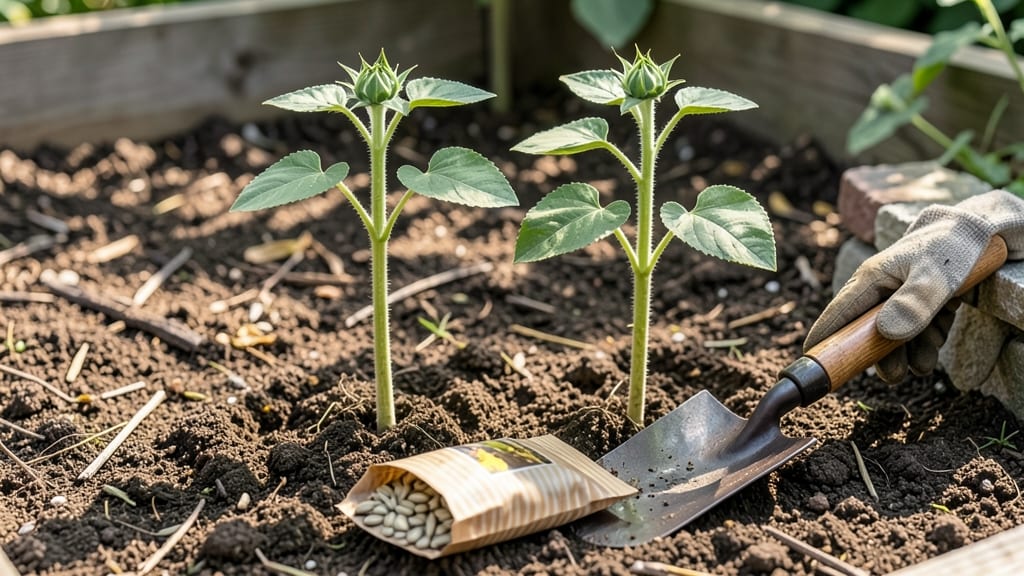
Planting sunflowers in Florida might seem tricky with its ever-changing climate, but timing these 🌻 bright beauties right can mean the difference between towering blooms and wilted disappointment.
Unlike northern states, Florida’s frost-free zones—ranging from 8a in the Panhandle to 11 in the Keys—let you grow sunflowers year-round, but the key is avoiding peak summer heat or late-season cold snaps.
For North Florida gardeners in zones 8a-9a, the sweet spot is late winter through early spring, when soil warms to 55°F+. Meanwhile, South Florida’s 10a-11 zones can plant almost anytime—just skip May through July to prevent heat stress.
Whether you’re sowing seeds or transplanting seedlings, getting the timing right ensures your sunflowers reach their full 10-foot potential without wilting.
I’ve tested these strategies across Florida’s regions, and the results speak for themselves: sunflowers planted at the right time not only grow faster but also resist pests and diseases better.
Ready to turn your garden into a sunflower haven? Let’s break down the exact planting windows, soil prep tips, and heat-beating tricks that work in Florida’s unique climate.
From dwarf varieties perfect for small spaces to giants that reach 16 feet tall, Florida’s sunflower season can stretch from January to November—if you know the secrets.
I’ll share how to extend your growing window, choose the best varieties for your zone, and keep your sunflowers thriving even during Florida’s hottest months. Let’s get started!
Optimal sunflower planting dates by Florida climate Zone (avoid these deadly mistakes)
Florida’s climate zones—ranging from 8a in the north to 11 in the south—create wildly different planting windows for sunflowers. In North Florida, frost risks linger until mid-January, while South Florida enjoys frost-free growing year-round.
Getting your timing wrong can mean bolting in heat stress or stunted growth from cold snaps.
For best results, aim to plant sunflowers when soil temperatures hit 55°F+. In Zone 8a-9a, this usually lands in late February to early March for spring blooms.
Meanwhile, Zone 10a-11 gardeners can start as early as January or even December for winter/spring growth. But watch out—peak summer heat (June-August) can stress seedlings, especially in inland areas.
Here’s your zone-by-zone breakdown of ideal planting windows, including direct sowing vs. transplanting tips and critical deadlines to avoid.
If you’re in North or Central Florida and miss the spring window, don’t panic—sunflowers thrive in fall plantings too! Aim for September-October to enjoy blooms before first frost (usually November 15 in Zone 9a).
In South Florida, you can even plant in winter (December-February) for spring blooms, avoiding the brutal summer heat.
For transplanting, start seeds indoors 4-6 weeks before your zone’s ideal outdoor date.
Harden off seedlings by placing them outdoors for 2-3 hours daily for a week before transplanting. Direct sowing is easier in Florida’s warm soil—just plant seeds 1 inch deep and 12-24 inches apart, depending on the variety.
Pro tip: Use a soil thermometer to confirm soil temps. If it’s below 55°F, wait—cold soil delays germination. In Zone 10+, you can even sow year-round, but avoid June-July for best results.
Remember, sunflowers are fast growers—most varieties bloom in 60-90 days. Plan your planting window to ensure they reach maturity before extreme heat or frost cuts their season short. With the right timing, you’ll have bold, cheerful blooms from spring through fall!
🌻
How to extend sunflower growing season in Florida’s extreme heat (proven techniques)
Florida’s summer heat can turn your sunflower seedlings into crispy snacks before they bloom. But with the right strategies, you can extend the growing season and enjoy those golden faces year-round. The key? Beat the heat without sacrificing growth or beauty.
Start by choosing heat-tolerant varieties like ‘Autumn Beauty’ or ‘Moulin Rouge,’ which handle Florida’s humidity better than standard types. These varieties thrive when others wilt, giving you longer bloom windows even in the hottest months.
🌱 Shade cloth is your best friend during peak summer (June-August). Use 30-50% shade to protect young plants while still allowing sunlight for photosynthesis. Remove it as temps drop to encourage flowering.
🔥 Top 5 Heat-Beating Techniques
- ✅ Mulch heavily (3-4 inches) with straw or pine bark to retain moisture and cool roots.
- ✅ Water deeply at soil level (not leaves) in early morning to avoid fungal risks.
- ✅ Use reflective mulch (white gravel or aluminum foil) to bounce back sunlight.
- ✅ Plant in raised beds with sandy loam soil for better drainage during monsoons.
- ✅ Succession plant every 2-3 weeks for continuous blooms (spring and fall are ideal).
For container-grown sunflowers, switch to self-watering pots with coco coir mix—they hold moisture longer in Florida’s dry spells. Elevate pots to prevent root rot from heavy rains.
If you’re planting in North Florida (Zone 8a), aim for fall sowing (September-October) to avoid summer’s brutal heat. In South Florida (Zone 10a+), you can plant year-round, but prioritize winter (Dec-Feb)** for cooler, more manageable growth.
💡 Pro Tip: Monitor your sunflowers’ leaf color. Yellowing edges mean heat stress—trim lower leaves to improve airflow and reduce transpiration. For extra protection, mist seedlings lightly in the early evening to cool them down.