
Plants
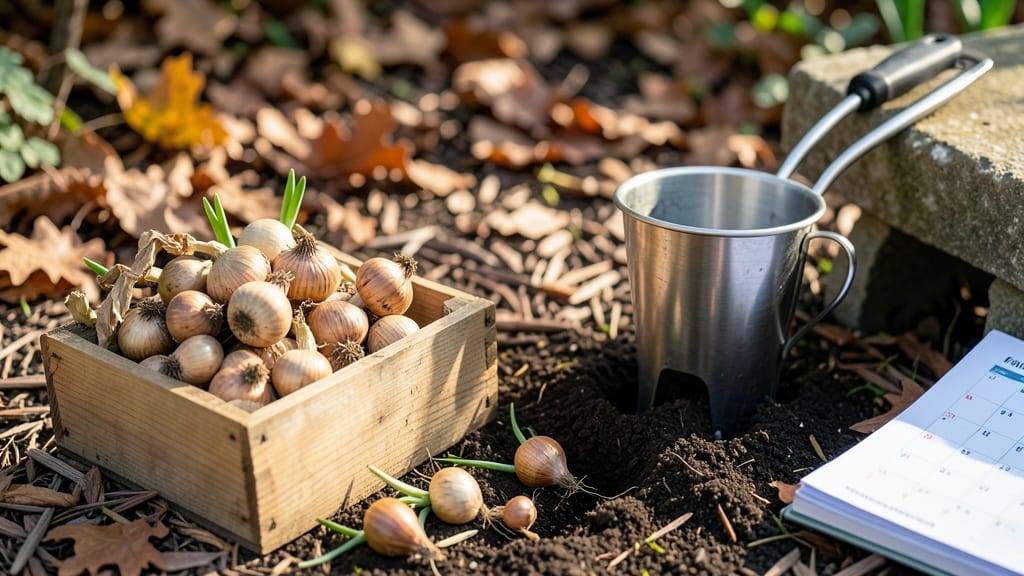
If you’ve ever wondered when to plant tulips in Ohio for those show-stopping spring blooms, timing is the secret weapon—get it wrong, and you’ll either wait forever or watch your bulbs rot.
Ohio’s Zone 6a climate demands precision, but with the right window, you can guarantee vibrant 🌷 displays year after year.
The key? Planting when soil temps drop to 40-50°F—typically between October and November—but not so late that frost catches them off guard. Too early, and bulbs may sprout prematurely; too late, and they won’t establish roots before winter.
I’ll break down the exact dates for Ohio’s zones and how to adjust for early or late frosts.
Beyond dates, soil prep and bulb care make all the difference. Ohio’s clay-heavy soils need amending, and choosing the right tulip varieties can shift your planting window by weeks.
Whether you’re a first-time gardener or a seasoned pro, these tips will help you plant with confidence—and avoid the common mistakes that lead to flops.
Let’s dive into the perfect planting strategy for Ohio, so you can enjoy tulips that burst into bloom right on schedule next spring. Ready to set your garden up for success?
Ohio tulip planting dates by hardiness Zone (5-7) for spring blooms
Ohio’s diverse hardiness zones (5-7) create subtle but critical differences in tulip planting windows. In Zone 5 (northwest Ohio), aim to plant bulbs between mid-September and mid-October—this gives roots time to establish before first frost (typically late October).
Meanwhile, Zone 6 (central Ohio) can push planting until late October to early November, while Zone 7 (southern Ohio) has a longer window, often until mid-November.
Why the variation? Tulips need 40-50°F soil temperatures to root properly. In colder Zone 5, planting too late risks bulbs freezing before roots form.
In warmer Zone 7, late planting can lead to premature sprouting in winter, which weakens the bulb. Ohio’s average first frost ranges from October 20 (Zone 5) to November 15 (Zone 7), so time your planting 4-6 weeks before frost.
Here’s the golden rule: Plant tulips when daytime temps hover around 60°F and nighttime temps drop below 50°F. This usually aligns with late September to early October for most of Ohio. Use a soil thermometer to confirm—ideal temps are 50-55°F at planting time.
Pro tip: If you’re unsure about frost dates, check the Old Farmer’s Almanac or your local Cooperative Extension office. They provide hyperlocal frost predictions that can shift planting by 1-2 weeks depending on your exact location.
Adjust your planting schedule if Ohio experiences an early or late winter. For example, if first frost arrives by October 1 (earlier than usual), plant bulbs by mid-September in Zone 5.
Conversely, if frost is delayed until November 10, you can plant as late as early November in Zone 6. Pay attention to weekly weather forecasts in late September to fine-tune your timing.
Another key factor is bulb dormancy. Tulips need a 12-16 week cold period (40°F or below) to bloom well. In Zone 5, this happens naturally, but in Zone 7, planting too late may result in fewer blooms because the cold requirement isn’t fully met.
To compensate, choose early-blooming varieties like fosteriana (yellow/red tulips) if you plant in late October or November.
For container gardening, follow the same rules but plant bulbs 2-3 weeks earlier than in-ground. Containers warm up faster and can cause premature sprouting in winter. Use black plastic pots to absorb heat and slow root growth if planting late.
Finally, don’t wait until December—even if bulbs are still available at garden centers. By then, the ground is often too cold for roots to establish, and bulbs may rot or fail to bloom.
If you miss the fall window, you’ll have to wait until next fall for vibrant spring tulips.
5 Critical factors that determine perfect tulip planting time in Ohio
Ohio’s unpredictable fall weather makes tulip planting timing more than just picking a month—it’s about reading your soil, climate, and bulb readiness. I’ve planted tulips for over a decade in Zone 6a, and these 5 critical factors consistently separate thriving blooms from disappointing flops.
First, soil temperature is your golden rule: tulip bulbs need 40-50°F soil to root without rotting. In Ohio, this typically happens when daytime highs hit 60°F or below. Use a soil thermometer to check—if it’s warmer, wait.
Planting too early in warm soil risks bulb rot, while waiting too long means missing the dormancy period needed for strong roots.
🌱 Critical Factor #1: Soil Temperature
- Ideal range: 40-50°F
- Ohio trigger: Daytime highs ≤60°F
- Test method: Soil thermometer 4" deep
Pro tip: In Zone 5 (northern Ohio), aim for late September; Zone 7 (southern Ohio) can wait until mid-October.
Second, frost timing is your backup plan. Plant 4-6 weeks before first frost—this gives bulbs time to establish roots before winter. In Ohio, first frost typically arrives October 20-30, but check your local USDA frost map.
If you’re in urban areas (like Columbus), concrete absorbs heat longer, delaying frost by 1-2 weeks compared to rural farms.
Third, bulb dormancy is non-negotiable. Tulips need 12-16 weeks of cold (below 40°F) to bloom well. If you plant too late, they’ll sprout early and get fried by spring frosts.
In southern Ohio (Zone 7), this means planting by mid-October, while northwest Ohio (Zone 5) has until early November.
Fourth, microclimates can shift your schedule by weeks. A south-facing slope warms faster than a north-facing yard, so plant earlier there. Low-lying areas hold cold longer—wait until mid-October in these spots. Even a 5°F difference can mean the difference between perfect timing and failed blooms.
Finally, bulb condition matters more than you’d think. Store bulbs in a cool, dry place (40-50°F) until planting. If they’re soft or sprouting, they’ve been stored too warm and may not survive.
I once bought bulbs from a garage sale in August—they were already sprouting and only yielded 3 blooms the next spring. Fresh, firm bulbs planted at the right time? 20+ blooms per bulb.
Master these factors, and you’ll turn Ohio’s unpredictable fall into your tulip-growing superpower. Start with soil temp, then adjust for frost, dormancy, microclimates, and bulb condition—and you’ll have show-stopping blooms year after year. 🌷