
Flowers
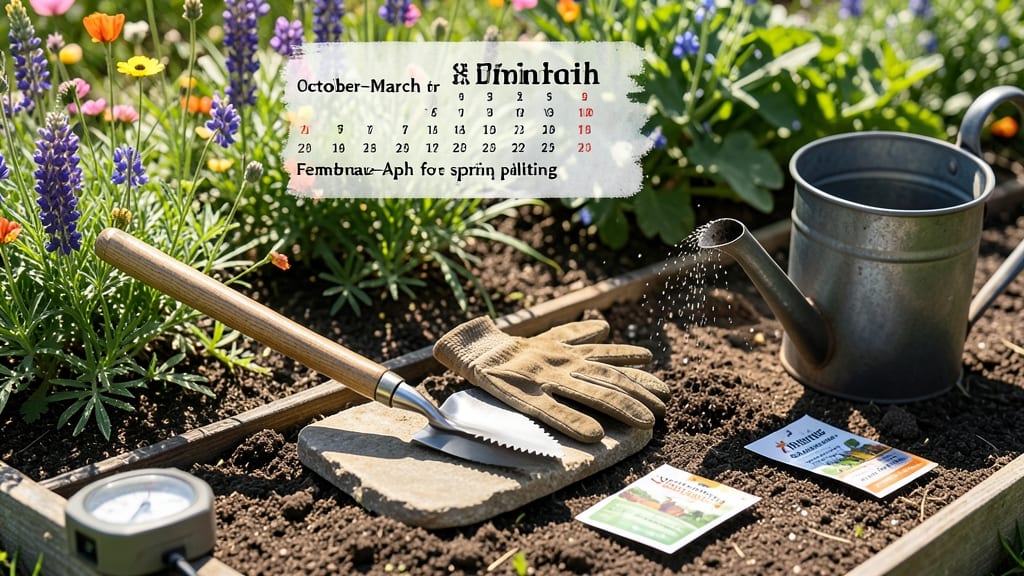
Want to know the exact time to plant flowers in California this year? California’s wild climate swings—from chilly coastal mornings to scorching desert afternoons—mean generic planting advice won’t cut it. Skip the guesswork and get the precise windows for your county, whether you’re in frost-prone Sacramento or sunny San Diego.
I’ve broken down the science behind California’s microclimates, so you’ll know when to start seeds indoors, when to transplant tender annuals, and how to stretch your blooms’ season by planting cool-season varieties in fall. No more wilted dreams or wasted seed packets!
From drought-resistant California poppies that thrive in desert heat to hardy foxglove perfect for coastal gardens, we’ll cover the best flowers for your zone and the perfect timing to plant them. Ready to turn your garden into a year-round paradise?
Let’s dive into the calendar that actually works for your corner of California—because your flowers deserve better than a one-size-fits-all approach.
California flower planting calendar by microclimate zones
California’s 5 distinct microclimates create wildly different planting windows—what works in coastal San Francisco (Zone 9) can fail in desert Palm Springs (Zone 10). Let’s break down the ideal planting months for each zone, so you can choose flowers that thrive in your backyard’s unique conditions.
Most annual flowers (like petunias and marigolds) prefer spring planting after frost risk, while perennials (such as lavender) often establish best in fall for root growth. Bulbs like tulips need cooler fall temperatures to bloom in spring. Here’s how to align your planting with California’s zones:
🌱 Key Tip: Use the USDA Plant Hardiness Zone Map (Zones 5–11 in CA) as a starting point, but local frost dates (not just zones) dictate your real timeline. For example, Sacramento (Zone 9) can have frost in December, while Los Angeles (Zone 10) rarely sees frost at all.
| Zone & County | Climate Type | Last Frost (Avg.) | Spring Planting Window | Fall Planting Window | Best Flowers |
|---|---|---|---|---|---|
| Coastal (Zone 9-10): San Francisco, Santa Barbara | Mediterranean (mild, foggy) | Dec 15–Jan 15 | Feb 15–Apr 15 | Aug 1–Sep 30 | Foxglove, Snapdragons, Sweet Peas |
| Central Valley (Zone 8-9): Sacramento, Fresno | Hot-Dry Summer | Mar 1–Apr 15 | Mar 15–May 1 | Jul 15–Aug 31 | Zinnias, Marigolds, Sunflowers |
| Desert (Zone 10-11): Palm Springs, Riverside | Arid (hot year-round) | None (Zone 11) | Oct 1–Dec 31 (Fall/Winter) | Year-round (succession plant) | California Poppies, Desert Marigold, Portulaca |
| Foothills (Zone 7-8): Lake Tahoe, Yosemite | Cool Mountain | May 1–Jun 1 | Apr 15–May 31 | Jul 1–Aug 15 | Lupines, Columbine, Delphinium |
| Mountain (Zone 5-6): Truckee, Mammoth | Cold Alpine | Jun 1–Jul 1 | May 15–Jun 30 | Aug 1–Sep 15 | Iris, Lilies, Penstemon |
Notice how desert zones (10–11) plant in fall/winter to avoid summer heat, while mountain zones (5–6) wait until late spring when frost risk passes? This is why one-size-fits-all advice fails in California.
For example, Los Angeles (Zone 10) can plant petunias in October, but Sacramento (Zone 9) should wait until March.
Pro tip: Succession planting works best in frost-free zones (9–11). For example, plant marigolds every 2 weeks from September to December in San Diego
How to adjust planting dates for your county’s last frost & heat waves
California’s last frost dates can vary by hundreds of miles, making generic planting charts useless. For example, Sacramento typically sees its last frost around March 15, while San Francisco’s coastal fog can delay frost until May 1.
Even desert regions like Palm Springs never experience frost, allowing year-round planting for heat-tolerant varieties.
To avoid frost damage or heat stress, always check your USDA Hardiness Zone and local historical frost data. The National Weather Service provides county-specific frost alerts, or use tools like the Old Farmer’s Almanac for regional averages.
For Zone 5 (e.g., Mount Shasta), wait until May 15 for tender annuals, while Zone 11 (e.g., Palm Desert) can plant anytime.
Heat waves are another critical factor, especially in Southern California. Regions like Riverside or Bakersfield can hit 100°F+ by June, so opt for heat-tolerant flowers like Lantana or Portulaca and plant them earlier (February–March) to establish roots before extreme heat arrives.
⚠️ CALLOUT WARNING ⚠️
🌡️ Warning: Planting Too Early or Late
Planting too early risks frost damage (even in Zone 9, late spring frosts can occur). Planting too late stresses plants before summer heat, stunting growth. Use this rule:
- Spring: Wait 2–3 weeks after last frost for tender annuals.
- Fall: Plant 6–8 weeks before first frost for perennials.
- Desert Zones: Plant September–October to avoid 110°F+ soil.
Pro tip: Hardening off seedlings 7–10 days before transplanting improves survival rates in coastal or high-elevation zones.
For coastal counties like Santa Barbara or San Diego, ocean breezes can delay planting by 2–4 weeks compared to inland areas.
Test your soil’s warmth by pressing your hand into the ground—if it’s 60°F+, it’s safe for most seeds. Cold soil (below 50°F) can cause rot or poor germination.
Use local nurseries’ advice—they know microclimates better than generic charts. For example, Napa Valley’s foggy mornings may require shade-tolerant flowers like Impatiens, while Imperial Valley thrives with sun-loving Succulents planted in late winter.
Adjust your planting timeline based on flower type: Bulbs (like Tulips) need cool fall soil (plant October–November), while annuals (like Marigolds) can go in anytime frost isn’t a risk. Perennials like Lavender should be planted in early spring to establish roots before summer drought.