
Flowers
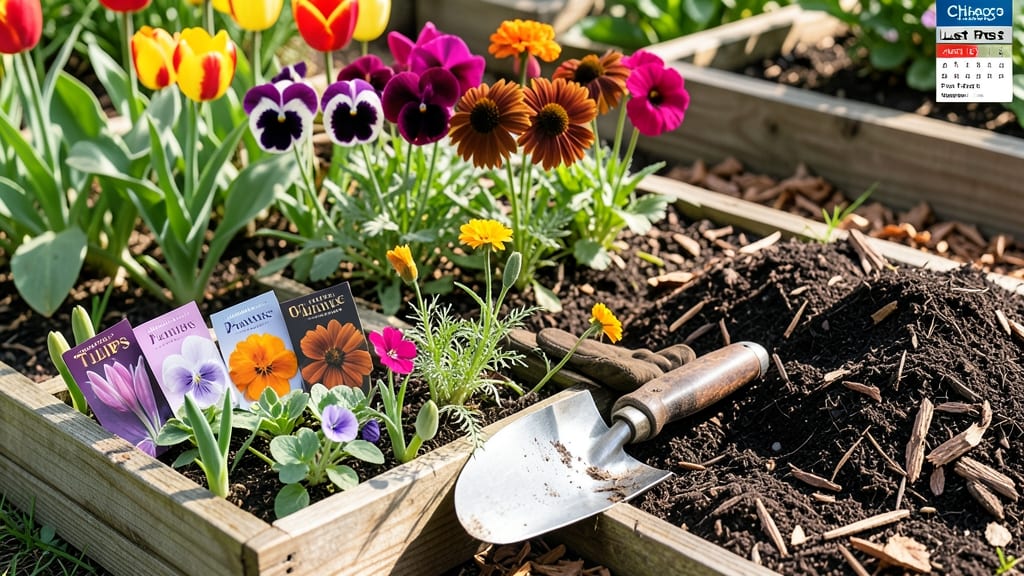
When to plant flowers in Chicago is the secret to a garden that thrives year after year, not just survives. The Windy City’s unpredictable frost dates—especially around April 15—can make planning tricky, but with the right strategy, you’ll nail those blooms every season.
Whether you’re planting 🌸 annuals for summer splendor or hardy perennials that return year after year, knowing when to start seeds indoors, transplant seedlings, or tuck bulbs into the soil is the key.
Chicago’s USDA Zone 5b-6a climate means early spring and late fall can be risky, but with microclimate insights (like Lake Michigan’s warming effect), you’ll avoid frost surprises.
I’ll walk you through the exact planting windows for your favorite flowers—from cool-season pansies to heat-loving marigolds—plus pro tips to extend your blooming season with row covers and succession planting. No more guessing games; just vibrant, thriving gardens all year.
Ready to turn your Chicago garden into a showstopper? Let’s dive into the perfect timing for planting flowers that will make your neighbors green with envy.
Chicago’s frost-free planting zones: when to plant flowers by microclimate
Chicago’s frost dates vary dramatically across neighborhoods, making timing your flower plantings a microclimate puzzle. The city spans USDA Zones 5b-6a, but Lake Michigan’s influence creates warmer pockets near the water, while inland areas freeze later.
Understanding these localized patterns is key to avoiding frost damage and maximizing bloom time.
For example, Lincoln Park on the North Side often sees its last frost by April 10, while South Side suburbs like Bridgeview may not warm up until April 25.
Even within a single block, a sunny south-facing yard can warm 3-5 days earlier than a shaded north side. These variations mean your planting calendar should account for your specific location.
Here’s how to decode Chicago’s frost-free zones and plan your flower garden with precision:
| Zone/Location | Last Frost Date | First Frost Date | Safe Planting Window | Microclimate Notes |
|---|---|---|---|---|
| North Side (Lakefront) | April 5–15 | October 10–20 | April 20–May 10 | Warmer near Lake Michigan; plant tender annuals 1–2 weeks earlier. |
| Loop/ Downtown | April 10–20 | October 15–25 | April 25–May 15 | Urban heat island effect delays frost; ideal for heat-loving flowers like zinnias. |
| South Side (Suburbs) | April 15–25 | October 5–15 | May 1–10 | Cooler nights; prioritize cold-hardy perennials like coneflowers. |
| Northwest Suburbs | April 20–May 1 | October 1–10 | May 10–20 | Latest frost risk; wait until soil reaches 60°F for seeds. |
If you’re unsure about your local frost date, use the National Weather Service’s Chicago climate data or check with your local Cooperative Extension office. For container gardening, you can push planting dates 2 weeks earlier since pots warm faster.
Conversely, if you’re near a large body of water or in a shaded yard, delay planting by 1 week to avoid early-season frost.
For spring-blooming bulbs like tulips and daffodils, plant them 6–8 weeks before ground freezes (typically by October 15). These hardy plants thrive when chilled, so don’t wait until late fall.
Meanwhile, tender annuals like petunias and marigolds should only hit the soil after your area’s last frost date—no exceptions!
Pro tip: Use frost cloth or a mini greenhouse to start heat-sensitive flowers indoors 4–6 weeks before your last frost. This trick lets you enjoy geraniums and impatiens weeks earlier than traditional outdoor planting.
Chicago’s fall planting for perennials and spring-blooming bulbs starts in September, but rush it! Aim to get tender perennials like dahlias into the ground by mid-September to establish roots before winter.
For cool-season flowers like pansies, you can plant as late as October 1, but cover them with mulch to insulate roots.
Remember, microclimates aren’t just about frost—they also affect soil temperature and wind exposure. A south-facing wall can create a 5°F warmer microclimate, perfect for sun-loving flowers like sunflowers or black-eyed Susans. Use these pockets wisely to extend your bloom season** and create a lush, year-round garden.
🌱
Best flowers to plant in Chicago by season: timing for maximum blooms
Chicago’s short but intense growing season demands smart flower choices—planting the right blooms at the right time means continuous color from spring to fall. The key? Matching frost-tolerant varieties with your planting window and avoiding heat-sensitive picks that wilt in July’s humidity.
Let’s break it down by season so your garden stays vibrant all year.
For spring blooms, focus on cold-hardy bulbs and perennials like tulips, daffodils, and peonies. These can handle Chicago’s late April frosts and reward you with early color.
Meanwhile, annuals like pansies and sweet alyssum thrive in cooler weather, making them perfect for March-April plantings—just cover them with row fabric if frost threatens.
Here’s how to maximize your blooms with the right timing and varieties:
| Season | Best Flowers | Planting Time | Notes |
|---|---|---|---|
| Spring | Tulips, Daffodils, Peonies, Pansies, Sweet Alyssum | March-April (bulbs: Oct-Nov) | Cold-hardy; cover with row fabric if frost threatens. |
| Summer | Marigolds, Zinnias, Coneflowers, Black-Eyed Susans | May-June (after last frost) | Drought-tolerant; thrive in Chicago’s heat. |
| Fall | Mums, Asters, Sedum, Pansies | September-October | Frost-resistant; plant 6-8 weeks before first frost. |
Summer is all about heat-loving annuals like marigolds and zinnias, which bloom nonstop until frost. These thrive in Chicago’s hot, humid summers and even repel pests—plant them in May after the last frost (typically mid-May) for continuous color.
For perennials like coneflowers, divide clumps in early spring or fall to rejuvenate growth.
Don’t overlook fall planting! Mums and asters are frost-tolerant champions that add late-season color. Plant them in September so they establish roots before winter. Pro tip: Use mulch to protect roots from early October frosts, and you’ll enjoy blooms well into November.
For container gardens, opt for compact varieties like petunias or geraniums. These can be planted 2-4 weeks later than in-ground flowers since containers warm up faster. Just ensure pots have drainage holes to prevent root rot in Chicago’s heavy clay soil.
Timing is everything—plant cool-season blooms in spring, heat-lovers in summer, and frost-tolerant picks in fall for a garden that stays stunning year-round. 🌼