
Plants
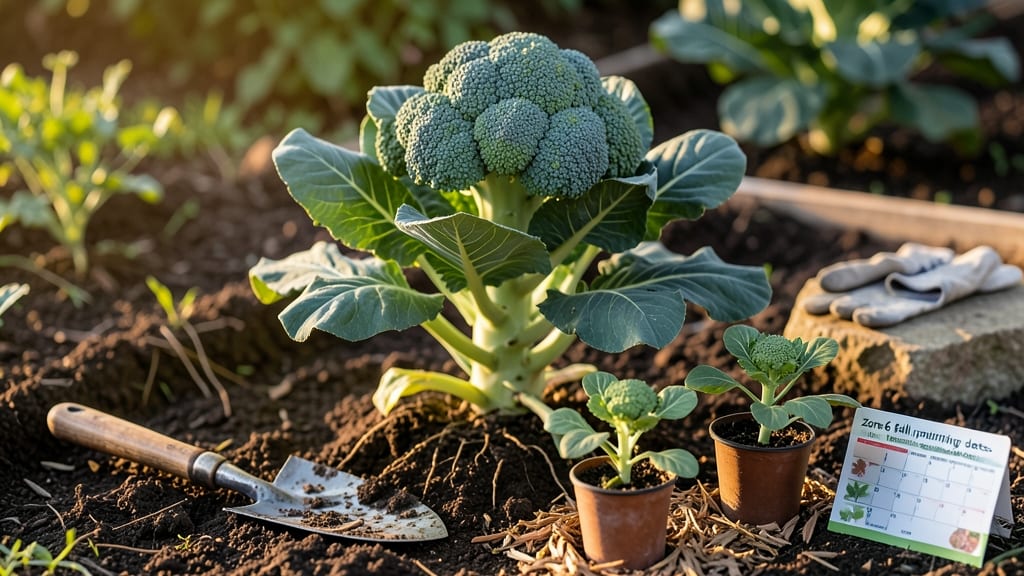
Planting fall broccoli at the right time in Zone 6 could be the difference between a garden full of crisp, flavorful heads and a sad, wilted disappointment. 🥦 The key is understanding your first frost date and working backward—because broccoli needs 60-80 days to mature before winter sets in.
If you're in Zone 6 (like most of Pennsylvania or parts of the Midwest), your window is tight but doable. Most gardeners aim for late summer to early fall, ideally 8-10 weeks before frost.
But here's the catch: planting too early means your broccoli might bolt before winter, while planting too late risks stunted growth from cold snaps.
I’ve tested this myself, and the right timing isn’t just about dates—it’s about soil temperature, variety selection, and even how you prep your beds. Let me walk you through the exact steps to nail your fall broccoli harvest, from seed spacing to extending your season with row covers.
Ready to grow broccoli that’s sweeter and more productive than ever? Let’s break down the science and simple tricks that actually work for Zone 6 gardeners.

Exact weeks before first frost to plant fall broccoli in Zone 6
Getting your fall broccoli timing right in Zone 6 means planting between 4-8 weeks before your first frost date. For most of Zone 6, this translates to late July to early September, but exact dates vary by location.
The key is ensuring your broccoli reaches maturity (60-85 days) before hard frost—typically around November 1st in most areas.
If you're starting seeds indoors, begin 8-12 weeks before transplanting—that’s roughly June for early fall harvests or July for later crops. This gives seedlings enough time to harden off before moving outdoors.
For direct sowing, wait until soil temperatures drop below 80°F (usually mid-August) to avoid heat stress.
Northern Zone 6 (6a) has an earlier first frost (October 15), so aim for late July to early August planting. Southern Zone 6 (6b) can extend planting until early September due to later frost dates.
Always check your local frost calendar—even within Zone 6, microclimates can shift planting windows by weeks.
🌱 Zone 6 Fall Broccoli Planting Timeline
| Stage | Action | Zone 6a (Early Frost) | Zone 6b (Late Frost) |
|---|---|---|---|
| Seed Starting (Indoors) | Sow seeds 8-12 weeks before transplant | June 15 - July 1 | June 20 - July 10 |
| Transplant Outdoors | Move hardened-off seedlings | July 20 - August 10 | July 30 - September 1 |
| Direct Sowing | Plant seeds directly in garden | August 1 - August 15 | August 10 - September 1 |
| Harvest Window | Ready 60-85 days after transplant | October 15 - November 15 | October 30 - December 1 |
✅ Pro Tip: Use row covers to extend harvests into early winter (up to 20°F tolerance).
For fast-maturing varieties (like 'Waltham 29'), you can push planting later—even into early September—since they reach maturity in 55-60 days. Slower varieties (like 'Calabrese') need 70-85 days, so plant them 4-6 weeks earlier to avoid frost.
Soil temperature matters just as much as air temperature. Broccoli grows best in 50-75°F soil. If your soil stays above 80°F for too long, seedlings will bolt (flower prematurely). Test soil temps with a soil thermometer—if it’s above 78°F, wait a week or two before planting.
One common mistake is planting too close to frost dates. Even light frosts (28-32°F) can damage broccoli, but plants can tolerate 20-25°F with protection. If your area gets hard frosts below 20°F, use row covers or cold frames to shield plants until harvest.
For a continuous harvest, stagger plantings every 2-3 weeks from July through early September. This ensures you’re always picking fresh broccoli while older plants mature. Just remember: the last planting should be 60 days before your first frost—no exceptions!
🌱 Key Takeaway: Zone 6 gardeners should aim for July-August transplanting or August direct sowing, adjusting for your specific frost date. Use the table above as your guide, and don’t forget to harden off seedlings for 7-10 days before moving them outdoors!
How to adjust planting dates for broccoli varieties in Zone 6
Not all broccoli varieties thrive on the same schedule in Zone 6. Fast-maturing types like 'Waltham 29' need only 55-60 days to harvest, while slow growers like 'Calabrese' require 80-85 days.
Matching your variety to the right planting window ensures you avoid heat stress or frost damage before maturity.
For fast-maturing varieties, aim to plant seeds 8-10 weeks before your first frost date (typically late July to early August in Zone 6). These varieties can handle cooler fall temperatures better, making them ideal for late-season harvests.
For example, 'Early Purple Sprouting' thrives when planted in mid-August and matures just in time for early winter harvests.
Slow-maturing varieties, on the other hand, need to be planted earlier—around mid-July—to reach maturity before frost. If you’re growing 'Calabrese' or 'Romanesco', start seeds indoors 6-8 weeks before transplanting to give them a head start.
This extra time ensures they’ll have enough growing days to develop large, flavorful heads.
| Variety | Days to Maturity | Best Planting Window (Zone 6) | Harvest Window |
|---|---|---|---|
| Waltham 29 | 55-60 days | Late July to early August | September to October |
| Early Purple Sprouting | 60-65 days | Mid-August | October to November |
| Calabrese | 80-85 days | Mid-July (start indoors) | October |
| Romanesco | 75-80 days | Late June to early July | September to October |
Succession planting is another key strategy for extending your harvest. In Zone 6, you can plant small batches every 2-3 weeks from mid-July through early September. This staggered approach ensures a continuous supply of broccoli heads, even as temperatures drop.
For example, plant 'Waltham 29' in early August for a September harvest, then follow up with another batch in late August for an October harvest.
To protect your broccoli from early frosts (which can actually enhance flavor but may damage tender leaves), use row covers or low tunnels. These simple tools extend the growing season by 2-4 weeks, allowing you to harvest well into November. Just
If you’re growing broccoli for side shoots (the smaller heads that form after harvesting the main head), plant your last batch no later than early September. This gives the plants enough time to produce a main head before producing secondary shoots in cooler weather. Side shoots are often sweeter and more tender, making them perfect for late-season harvests.
Finally, keep an eye on your local frost dates—they can vary by 1-2 weeks even within Zone 6. Check your USDA frost map or use a frost calendar app to fine-tune your planting schedule.
Adjusting for these microclimates ensures your broccoli matures just as the weather turns crisp and cool—ideal for flavor development!