
Companion Plants
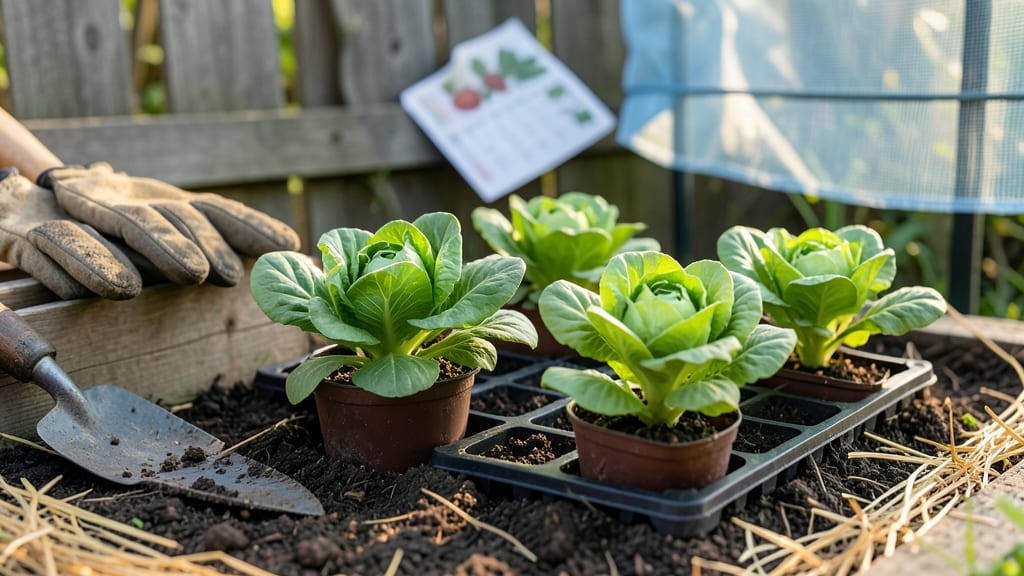
Timing your lettuce planting in Zone 6 can mean the difference between crisp, sweet leaves and bitter disappointment—so let’s get this right. 🥬 The key to success lies in understanding your last frost date and soil temperatures, which I’ll break down step by step.
Most gardeners in Zone 6 (6a-6b) make their first planting in early spring, around March to April, when soil warms enough for seeds to sprout without risking frost damage.
But planting too early can leave your lettuce struggling in cold soil, while waiting too long might mean bolting before you harvest.
You’ll also want to consider a fall planting window in late summer (August-September) for a second harvest before the first frost hits in October. This two-season approach ensures a steady supply of fresh greens, whether you’re growing butterhead, romaine, or leaf varieties.
In this guide, I’ll walk you through the exact weeks before your last frost date to plant, plus soil prep tips and heat-tolerant varieties that thrive in Zone 6’s unpredictable climate. Ready to grow lettuce like a pro?

Zone 6 lettuce planting schedule: exact weeks before last frost
Lettuce in Zone 6 thrives when planted at the right time—too early and it bolts in cold soil, too late and summer heat turns leaves bitter. My last frost date is around April 15, so timing is everything.
For crisp, sweet lettuce, aim to plant 4-6 weeks before that date, typically between mid-March and early April.
Soil temperature matters just as much as frost dates. Lettuce seeds need soil at least 40°F (4°C) to germinate, but 50-60°F (10-15°C) is ideal. In Zone 6, this usually aligns with late March to early April—just as spring warmth arrives. Test your soil with a thermometer to confirm readiness.
Don’t overlook fall planting either! Lettuce grows well in cool weather, so late summer plantings (around August 15-September 15) can yield harvests before the first frost. This gives you a second harvest window without summer’s heat stress.
📅 Zone 6 Lettuce Planting Timeline
| Season | Planting Window | Weeks Before Frost | Soil Temp (°F) | Harvest Window |
|---|---|---|---|---|
| Spring | Mid-March to Early April | 4-6 weeks | 50-60°F | May-June |
| Fall | Mid-August to Mid-September | 8-10 weeks before first frost | 50-65°F | October-November |
💡 Pro Tip: Use row covers to extend spring planting by 2-3 weeks if nights are still chilly.
For successive plantings, sow seeds every 2 weeks in spring and 3 weeks in fall. This ensures a steady supply of fresh lettuce without overwhelming your garden. Start with heat-tolerant varieties like Romaine or Buttercrunch if you’re pushing the limits of your planting window.
Watch for bolting—when lettuce sends up a flower stalk—if temperatures rise above 75°F (24°C) for extended periods. This is why shade cloth or afternoon shade becomes crucial in late spring. I’ve found that 30% shade cloth keeps my lettuce crisp even in Zone 6’s hotter days.
Always prepare your soil with compost or aged manure before planting. Lettuce prefers well-draining, slightly acidic soil (pH 6.0-7.0). A simple soil test kit (around $15) ensures you’re on the right track. Amend with peat moss or compost if your soil is too alkaline.
Mark your calendar for April 15 (last frost) and count backward. If you’re unsure about your exact frost date, check your local Cooperative Extension Service or use online tools like the Almanac’s Frost Calculator. Precision here means the difference between crisp, sweet lettuce and bitter, bolted greens.
Finally, consider container growing if space is limited. Lettuce grows well in 6-inch-deep pots with proper drainage. This flexibility lets you adjust planting times based on microclimates in your yard—like a sunny patio versus a shady corner.
With these exact timelines, your Zone 6 lettuce will thrive from spring to fall, giving you a continuous harvest without the guesswork. Happy planting! 🥬
Zone 6 lettuce planting schedule: exact weeks before last frost
In Zone 6, your last frost date typically falls around April 15, but exact timing varies by microclimate. To ensure your lettuce thrives, aim to plant 4-6 weeks before this date—so mid-March to early April.
This window gives seeds time to germinate in soil that’s warmed to at least 40°F (4°C), which is critical for even sprouting.
Cold soil slows germination, leading to patchy seedlings. Use a soil thermometer to confirm temperatures before planting. If your soil runs cooler, opt for slow-bolting varieties like ‘Winter Density’ or ‘Arctic King,’ which tolerate cooler conditions better than heat-sensitive types.
| Planting Window | Weeks Before Last Frost | Soil Temp Requirement | Best Varieties |
|---|---|---|---|
| Early Spring | 4-6 weeks | ≥40°F (4°C) | ‘Winter Density,’ ‘Arctic King’ |
| Late Summer (Fall) | 8-10 weeks before first frost | ≥50°F (10°C) | ‘Black Seeded Simpson,’ ‘Romaine’ |
For fall plantings, start seeds 8-10 weeks before your first frost (around August 15 in Zone 6). This timing ensures mature plants before temperatures dip below 35°F (2°C). Use row covers or cold frames to extend the season if needed—lettuce can survive light frosts but may bolt if stressed.
Pro tip: Succession plant every 2 weeks in spring and fall for a continuous harvest. This staggered approach prevents overwhelming bolting and keeps your kitchen stocked with fresh greens. Start with small batches (e.g., 5-10 seeds) to test your soil’s readiness before scaling up.
Watch for bolting signs like elongated stems or bitter-tasting leaves—these indicate heat stress. If temperatures climb above 75°F (24°C) for prolonged periods, shift plantings to shadier spots or use heat-tolerant varieties like ‘Jericho’ or ‘Summer Crisp.’
Remember: Soil prep matters. Amend beds with compost to improve drainage and fertility. Lettuce prefers loamy, well-draining soil with a pH of 6.0-7.0. Test your soil in early spring to address any deficiencies before planting.