
Plants
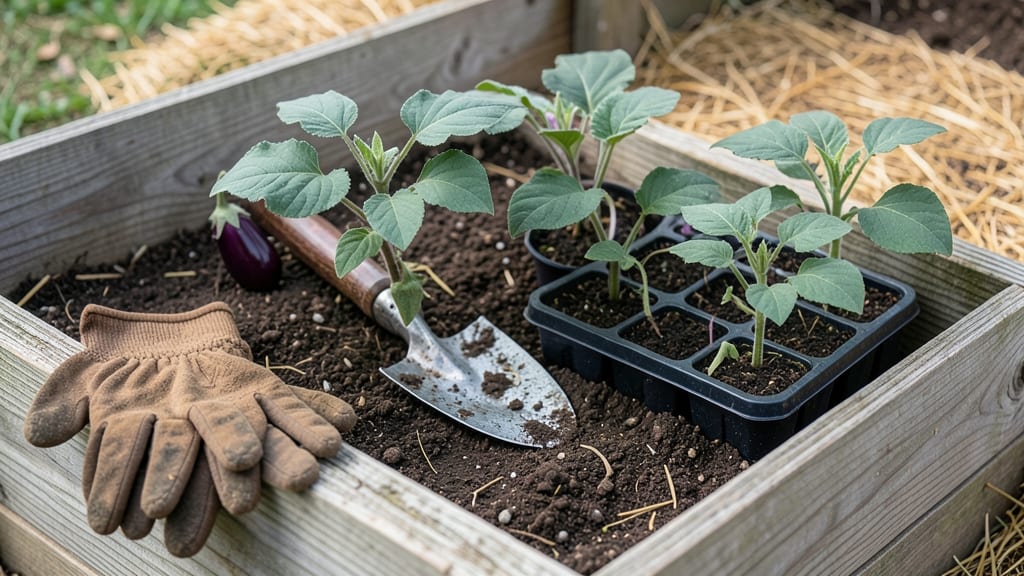
Timing your eggplant 🍆 planting in Southern California isn’t just about following a calendar—it’s about mastering the heat zones that can make or break your harvest. With no frost to worry about in most areas, you’ve got a rare advantage, but those sudden heat spikes?
They’ll turn your plants into crispy snacks if you’re not careful.
If you’ve ever watched your eggplant transplants wilt under 90°F+ summer sun or struggled with uneven growth in coastal vs. inland microclimates, you’re not alone. The key is planting at the right moment—whether that’s late winter for cool coastal areas or late summer for heat-tolerant varieties inland.
Let’s break down the exact windows and strategies to keep your eggplants thriving year-round.
What you’ll discover here are the heat zone secrets that let you grow eggplant successfully in SoCal’s diverse climate. From soil prep tricks to companion planting hacks, we’ll cover everything you need to avoid common pitfalls and maximize your harvest—whether you’re in LA County or the desert.
Ready to turn your garden into a zero-frost eggplant powerhouse? Let’s dive into the planting schedule, soil secrets, and shade strategies that work for Southern California’s unique growing conditions.
Southern California eggplant planting calendar by heat zone (avoid frost & heat stress)
Southern California’s frost-free climate and diverse microclimates create perfect conditions for growing eggplant—but timing matters. Unlike northern regions, you don’t need to wait for frost to pass. Instead, focus on soil temperatures and heat tolerance of your chosen varieties.
Coastal areas like San Diego can plant earlier, while inland zones like Riverside must avoid summer’s extreme heat.
Eggplants thrive in USDA Zones 9b-11, where frost is rare. The key is planting when soil temps reach 60°F+ and daytime highs stay below 90°F.
Most SoCal gardeners aim for March-May for spring crops and August-September for fall harvests. Let’s break down the best planting windows by zone to maximize your yield.
🌱 Southern California Eggplant Planting Guide by Zone
| Zone | Best Planting Window | Soil Temp | Heat Tolerance Tip |
|---|---|---|---|
| Coastal (San Diego, LA) | Feb-March, Aug-Sept | 60-65°F | Use shade cloth in summer (30-50%) |
| Inland (Riverside, San Bernardino) | March-April, Sept-Oct | 65-70°F | Avoid planting June-August (heat stress) |
| Desert (Palm Springs, Coachella) | Sept-Oct only | 70-75°F | Plant in shade; use drip irrigation |
For coastal areas, you can start as early as late February when soil warms up. Inland zones should wait until March to avoid early-season cold snaps in high desert areas. The desert regions are limited to fall planting only—summer heat (above 100°F) will kill eggplants without shade.
If you’re using transplants (recommended for SoCal), buy hardened-off plants from nurseries in February-March for spring planting. For fall crops, get transplants in August to establish roots before cooler weather arrives. Seed starting indoors is possible but less common—most gardeners opt for transplants to save time.
One of my favorite heat-tolerant varieties for Southern California is 'Ichiban', which handles up to 95°F better than traditional types like 'Black Beauty'. For desert areas, try 'Rosa Bianca'—its white skin reflects sunlight and reduces heat stress.
Always check the seed packet for days-to-maturity to align with your harvest goals.
Pro tip: Use a soil thermometer to confirm temps before planting. Eggplants won’t germinate well below 60°F, even in frost-free zones. If your soil is too cold, use black plastic mulch for 2-3 weeks to warm it up.
This is especially useful in cooler coastal mornings where temps can dip unexpectedly.
Remember, succession planting works well in Southern California. After your first harvest in June-July, pull up spent plants and replant with heat-tolerant varieties for a fall crop. This keeps your garden productive year-round without overlapping seasons.
For urban gardeners with limited space, consider container growing. Eggplants thrive in 5-gallon pots or larger, making them perfect for balconies or patios. Just ensure pots have drainage holes and use lightweight potting mix to prevent root rot in summer’s heat.
Finally, monitor your plants for heat stress signs like yellowing leaves or blossom drop. If temps exceed 95°F for more than a week, provide afternoon shade with a 50% shade cloth until conditions improve.
With the right timing and care, you’ll enjoy homegrown eggplants year-round in Southern California’s unique climate. 🍆
How to extend your eggplant season in Southern California (year-round growing hacks)
Southern California’s mild winters and long summers let you grow eggplant almost year-round—but with the right tricks. I’ve successfully grown eggplants in fall, winter, and summer by adapting to local microclimates, from coastal San Diego to inland Riverside.
The key? Shade cloth, succession planting, and heat-tolerant varieties tailored to your zone’s extremes.
For coastal areas like Malibu or Santa Barbara, where winter temps dip to 40°F, focus on cold-hardy varieties like 'Ichiban' or 'Rosa Bianca'. These can handle brief chills, but still need protection from frost (yes, it happens!).
Inland zones like Riverside or Palm Springs face scorching summers—here, shade cloth and evening watering are non-negotiable to prevent heat stress.
🌱
🌿 Year-Round Eggplant Growing Hacks for Southern California
- 📅 Fall Planting (August-September): Start seeds indoors 8-10 weeks before your first frost (rare but possible in high elevations). Transplant 60-75 days before first frost—aim for harvest before winter chill sets in.
- ☀️ Winter Growing (December-February): Use row covers or cold frames to protect plants. Choose compact varieties like 'Fairy Tale' (1-2 ft tall) for containers or raised beds.
- 🌡️ Summer Survival (June-August): Install 30-50% shade cloth during peak afternoon sun (12 PM–4 PM). Water deeply in the morning to avoid fungal diseases like blight.
- 🔄 Succession Planting: Sow new seeds every 2-3 weeks from March–May and August–September. This ensures a continuous harvest without gaps.
- 🌱 Soil Warming for Coastal Zones: In cooler areas like San Diego or Ventura, use black plastic mulch or straw bales to warm soil to 70°F+ before planting.
- 🍆 Heat-Tolerant Varieties: Opt for 'Ichiban' (Japanese, thrives in heat) or 'Black Beauty' (classic, handles 90°F+ with shade). Avoid delicate heirlooms like 'Rosa Bianca' in desert zones.
One of my biggest wins was growing eggplants in January last year—something most SoCal gardeners swear is impossible. I used a hoop house with row covers and planted 'Fairy Tale' eggplants in a raised bed filled with compost and coconut coir.
The secret? Morning sun exposure and nighttime protection from temps below 50°F. By March, I had a full harvest of 8-inch fruits!
For urban gardeners in Los Angeles or San Diego, container growing is a game-changer. Use 5-gallon pots with drainage holes and a well-draining potting mix (add perlite or vermiculite). Place pots on casters to move them into shade during heatwaves or sun during cooler months.
I’ve grown 'Little Penny' eggplants (miniature, 4-inch fruits) on my balcony in downtown LA—they’re perfect for small spaces!
💧
Pro tip: Monitor soil temperature with a soil thermometer—eggplants need soil at 70°F+ to germinate. In desert areas like Palm Springs, wait until April to plant, as March soils can still be too cool.
Conversely, in coastal San Diego, you can plant as early as February if you use soil warming tricks like black plastic or straw mulch.