
Plants
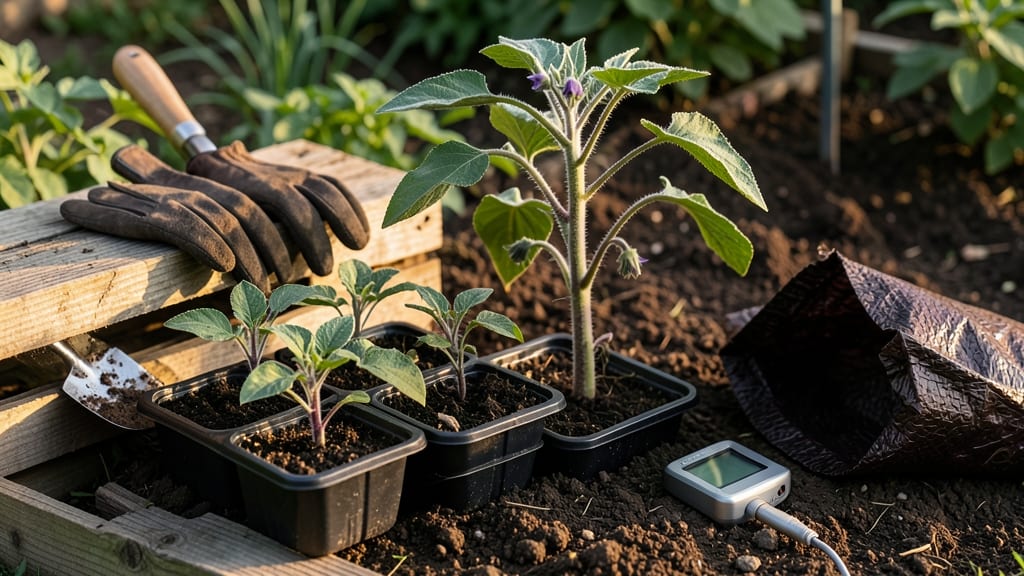
Timing your eggplant 🍆 planting in California isn’t just about the calendar—it’s about dodging frost risks, soil warmth, and regional quirks that can make or break your harvest.
Coastal areas like San Diego can start as early as March, while inland valleys like the Central Valley should wait until April or May when soil hits that sweet 70°F threshold.
Why does this matter? Plant too soon, and your eggplant will wilt from cold soil or late frosts (yes, they happen even in Zone 10!). Get it right, and you’ll enjoy a bounty from July through October—no guesswork, just consistent, flavorful fruit.
The key is knowing your microclimate’s last frost date and adjusting your schedule accordingly.
Here’s what you’ll discover: the exact planting windows for your specific California region, how to prep soil for eggplant success, and whether starting seeds indoors or direct-sowing works best for your area. I’ll even share pro tips to extend your harvest season without risking bolting or disease.
Ready to grow eggplant like a local? Let’s break down the science-backed schedule so you can plant with confidence—and enjoy those glossy, homegrown 🍆 before the first chill hits.
California eggplant planting calendar by USDA hardiness Zones (map & exact dates)
California’s USDA hardiness zones 9a-11 create dramatic differences in eggplant planting success. In coastal areas (Zones 9-10), you can plant as early as February-March when soil warms to 65°F (18°C).
Meanwhile, inland valleys like Central Valley (Zone 10b) wait until April-May to avoid late spring frosts that can devastate young plants.
Eggplant is a warm-season crop that bolts (prematurely flowers) if exposed to temperatures below 50°F (10°C). The key is planting when your nighttime lows stay above 55°F (13°C) consistently. Use this heat-zone guide to pinpoint your exact window.
🌱 Did You Know? Coastal San Diego (Zone 10a) can grow eggplant year-round with successive plantings every 3 weeks, while Sacramento (Zone 9b) must time plantings to avoid November frost risks.
| USDA Zone | Region Examples | Best Planting Window | Soil Temp Threshold | Key Consideration |
|---|---|---|---|---|
| 9a (e.g., Sacramento) | Northern Inland Valleys | Mid-April to early June | ≥70°F (21°C) | Late frost risk until May 15 |
| 9b (e.g., Fresno) | Central Valley | Late March to May | ≥68°F (20°C) | Hot summers require shade cloth in July |
| 10a (e.g., Los Angeles) | Coastal Cities | February to April | ≥65°F (18°C) | Humidity increases fungal risks |
| 10b (e.g., San Diego) | Southern Coast | Year-round (staggered) | ≥60°F (15°C) | No frost risk enables 2 crops/year |
| 11 (e.g., Palm Springs) | Desert Lowlands | September to November | ≥62°F (17°C) | Fall planting avoids summer heat stress |
🌡️ PRO TIP: Use a soil thermometer to confirm readiness—eggplant roots won’t thrive below 68°F (20°C).
For coastal gardeners (Zones 9-10), start seeds indoors 8-10 weeks before your target planting date. Inland growers can direct-sow after Memorial Day, but transplants (from nurseries) give a 2-week head start on fruit production.
In Zone 11 desert areas, shift to fall planting (September-October) to avoid 100°F+ (38°C+) summer heat, which causes blossom drop. Always choose heat-tolerant varieties like 'Black Beauty' or 'Ichiban' for these extreme conditions.
Remember: Eggplant hates cold—even a single 40°F (4°C) night can stunt growth. Check your local frost dates (via USDA maps
How to stagger eggplant plantings for continuous harvests in California’s climate
California’s long growing season lets you enjoy eggplant harvests from summer through fall—but only if you plan ahead. Staggered planting is my secret weapon for nonstop eggplant production.
Instead of one big batch, I plant 3-week intervals to keep fruit ripening continuously. This works especially well in USDA Zones 9-10, where heat lingers late into autumn.
Start your first batch in early April for coastal areas (Zones 9-10) or mid-April inland (Zones 10-11). Then add two more plantings 3 weeks apart. For example: April 1, April 22, and May 13.
This ensures you’ll have ripe eggplants every 4-6 weeks until frost arrives—or never, if you’re in Zone 10b!
Choose fast-maturing varieties like ‘Ichiban’ (60 days) for early plantings and larger varieties like ‘Black Beauty’ (85 days) for later batches.
Fast growers give you quick harvests, while slower ones extend your season. Pro tip: Use row covers for early plantings in Zone 9 to shield seedlings from unexpected late frosts (yes, they happen!).
📅 Eggplant Staggered Planting Timeline for California
- April 1-15: First planting (coastal) or April 15-30 (inland). Use row covers if nights dip below 50°F (10°C).
- April 22-May 5: Second planting. Opt for medium-maturing varieties (70-75 days).
- May 13-27: Third planting. Choose larger varieties for late-season harvests.
- June 7-21: Optional fourth planting in Zone 10b for fall harvests.
💡 Key: Adjust dates 1-2 weeks later in inland valleys (e.g., Central Valley) to avoid soil heat stress.
Don’t forget to harden off seedlings before transplanting—this toughens them up for California’s intense sun. Acclimate plants over 7-10 days by gradually exposing them to outdoor conditions.
I place mine in a shady spot during the day and bring them in at night for the first few days, then increase sun exposure daily.
For container gardening, use 5-gallon pots and plant your staggered batches 2 weeks apart. Containers warm up faster, so monitor soil temperature closely—eggplants need at least 70°F (21°C) to thrive.
If your pots dry out quickly, mulch with straw or wood chips to retain moisture and keep roots cool.
Watch for bolting (premature flowering) in hot inland areas. If your plants flower too soon, provide afternoon shade with a lightweight shade cloth (30-50% shade). This trick buys you 2-3 extra weeks of vegetative growth, delaying bolting until you’re ready for fruit.
With staggered plantings, you’ll enjoy fresh eggplant from July through October—or even later in frost-free zones. The key is consistency: stick to your 3-week intervals, choose the right varieties, and protect young plants from temperature swings.
Your garden will thank you with a bountiful, continuous harvest! 🍆