
Plants
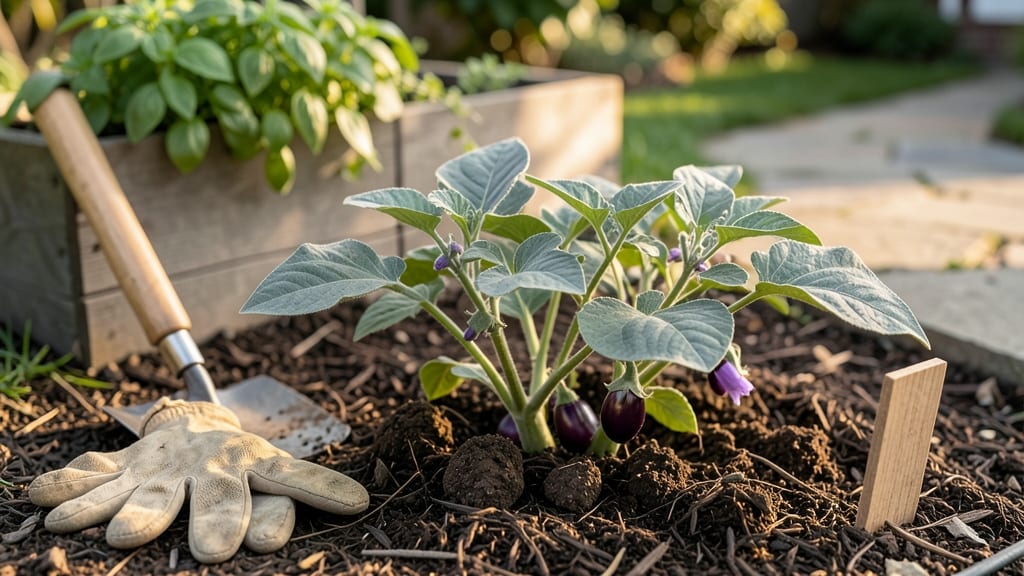
Timing your eggplant 🍆 planting in North Carolina could mean the difference between a thriving garden and a sad, wilted disappointment. Unlike hardy greens, eggplants are heat-loving divas that refuse to grow when the soil is still chilly or frost lingers in the air.
I’ve learned the hard way that planting too early—say, in April—means risking frost damage, while waiting until July might leave you with no harvest before fall’s first chill. The sweet spot? Late April to early June, when soil temperatures hit at least 70°F and all frost danger has passed.
But here’s the kicker: North Carolina’s varied climate means your neighbors in the mountains might plant a week later than those in the Piedmont. I’ll break down the exact frost-free timelines and soil temp tricks to help you nail your planting window—no guesswork, just results.
Ready to grow plump, glossy eggplants all summer long? Let’s dive into the science-backed schedule that’ll have your garden thriving from July to October.
Optimal eggplant planting dates in North Carolina by region
North Carolina’s diverse climate means eggplant planting dates vary dramatically from the Coastal Plain to the Mountains. The key is aligning your schedule with your region’s last frost date and soil warmth.
In the Coastal Plain (Zones 8a-8b), you can plant as early as late March in sheltered microclimates, while Mountain regions (Zones 6a-7a) must wait until mid-May to avoid frost damage.
For most NC gardeners, the sweet spot falls between April 15 and June 1, depending on elevation. The Piedmont (Zones 7a-7b) offers a middle ground, with ideal planting windows from April 30 to May 15.
Always check your local Cooperative Extension Service for hyper-local frost data—it can shift yearly.
Eggplants are heat-loving annuals that thrive when nighttime temperatures stay above 60°F. In NC’s hottest inland valleys, you can even push planting to early July for a fall harvest, but coastal areas should stop by June 15 to avoid hurricane risks.
🌱
| Region | USDA Zone | Last Frost Date | Optimal Planting Window | Soil Temp Goal |
|---|---|---|---|---|
| Coastal Plain | 8a-8b | March 15-April 1 | Late March-June 15 | 65°F+ |
| Piedmont | 7a-7b | March 31-April 15 | April 30-May 15 | 70°F+ |
| Mountains | 6a-7a | April 15-May 1 | May 15-June 1 | 75°F+ |
If you’re planting eggplant seedlings (not seeds), aim for 2-3 weeks before your region’s last frost date. For example, Piedmont gardeners should transplant by May 1, while Coastal growers can start as early as April 1 in protected beds.
Seedlings need 60°F+ soil to thrive—cooler temps cause transplant shock and stunted growth.
For direct sowing (planting seeds outdoors), wait until soil temperatures hit 70°F+. In NC’s hotter inland areas, this often means late May, but coastal regions may reach this earlier. Always monitor 7-day forecasts—a sudden cold snap can devastate young plants.
Eggplants are sensitive to cold, but they also struggle in extreme heat (above 90°F). In NC’s summer heat zones (like the Research Triangle), prioritize morning planting and provide afternoon shade for seedlings until they establish roots.
🌡️
One common mistake NC gardeners make is planting too early in hopes of an earlier harvest. Eggplants won’t germinate below 60°F, and seedlings wilt dramatically if nighttime temps drop below 55°F.
Use row covers or black plastic mulch to accelerate soil warming by 10-15°F—this can shave 2-3 weeks off your planting timeline.
For fall harvests, consider late-season varieties like ‘Black Beauty’ or ‘Ichiban’, which mature in 70-80 days. Plant these 60 days before your first frost date (typically mid-October in NC). In Zone 8b coastal areas, you might even squeeze in a second planting by August 1.
Soil temperature and eggplant seedling success: what NC growers must know
Eggplants thrive when soil temperatures hit 60°F–85°F, but NC’s spring can be unpredictable. Cool soil slows germination, while sudden heat shocks seedlings. Here’s how to nail the perfect planting window and avoid common pitfalls.
Use a soil thermometer to check warmth—70°F+ is ideal for direct sowing. In cooler zones like USDA 7a, wait until late May to avoid frost risk. Mountain regions may need to delay until June.
Eggplant seeds germinate best in warm, moist soil. If your soil is below 60°F, start seeds indoors 8–10 weeks before your last frost date. Use heat mats to speed up germination if needed.
⚠️ WARNING: COLD SOIL DISASTERS ⚠️
For faster soil warming, use black plastic mulch or row covers. These raise soil temps by 5–10°F, letting you plant 2–3 weeks earlier in spring. Just remove covers after transplanting to prevent overheating.
Watch for stunted growth or yellow leaves—signs your seedlings are struggling. If temps drop below 50°F at night, protect plants with frost cloth or move pots indoors temporarily.
Once established, eggplants love consistent warmth. Aim for 80–85°F soil during peak summer to boost fruit production. Mulch with straw to retain heat and moisture, especially in drought-prone Piedmont areas.