
Plants
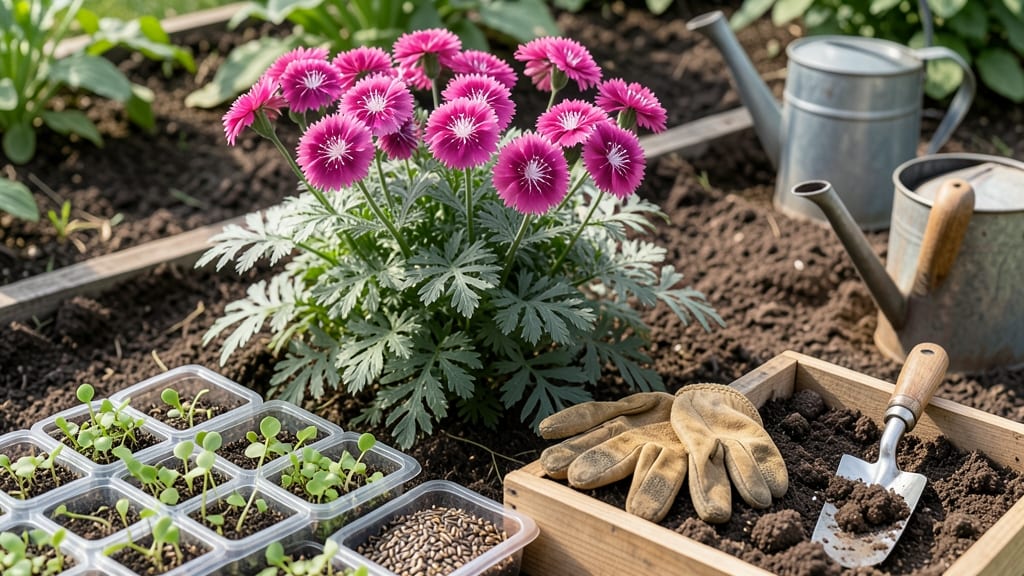
Knowing when to plant dianthus seeds in Australia can make the difference between a garden bursting with 🌸 vibrant blooms and a frustrating waste of effort. With Australia’s diverse climate zones—from temperate Melbourne to subtropical Brisbane—the right timing ensures your seedlings thrive before winter’s chill sets in.
Most Australian gardeners plant dianthus in the cooler months, between August and October, when soil temperatures are ideal. This timing aligns with nature’s rhythm, giving your delicate seedlings the best chance to establish roots before the first frost arrives.
Whether you’re in coastal Sydney or inland Perth, these months offer the perfect balance of moisture and warmth.
But here’s the catch: regional variations matter. In frost-prone areas like Victoria, aim for early August, while Queensland’s milder winters allow for a slightly later start.
I’ll break down the exact window for your location, plus soil prep tips to set your dianthus up for zero-frost success—so you can enjoy those cheerful blooms all season long.
Ready to transform your garden? Let’s dive into the step-by-step timing and care secrets that will have your dianthus thriving from seed to showstopping flower. No more guesswork—just proven results for Australian climates.
Best months to plant dianthus seeds in Australia’s climate zones
Australia’s diverse climate zones mean dianthus seeds (🌸) thrive at different times—getting the timing wrong can leave you with weak seedlings or no blooms at all. The key is planting when soil temperatures drop to 15-20°C, ensuring strong root establishment before winter.
For most regions, this means August to October, but coastal and subtropical areas have their own sweet spots.
In temperate zones like Victoria and Tasmania, aim for late August to early September—this gives seedlings time to harden off before the first frost (usually May). Meanwhile, Mediterranean climates (Perth, Adelaide) can plant slightly later, from September to October, thanks to milder winters.
Subtropical Queensland and NSW coasts? March to April works best, avoiding the humid summer months.
Here’s the breakdown by region—pick your zone and mark these dates on your calendar:
| Region | Best Planting Months | Soil Temp Goal (°C) | Key Cue |
|---|---|---|---|
| Victoria/Tasmania | Late August – Early September | 15-18°C | After first cool snap below 25°C |
| NSW (Sydney) | September – Early October | 16-20°C | When daytime highs drop below 28°C |
| WA (Perth) | September – October | 18-22°C | After Mediterranean autumn rains |
| QLD (Brisbane/Gold Coast) | March – April | 20-24°C | Before summer humidity peaks |
| Northern Australia (Darwin) | May – June | 22-26°C | During wet season break |
Pro tip: Use a soil thermometer to confirm temperatures—dianthus seeds won’t germinate well above 25°C. If your area’s last frost date is late (like Melbourne’s June), plant 6-8 weeks before to give seedlings time to mature. For early blooms, aim for August sowing in cooler zones.
Coastal gardeners in New South Wales or Queensland can push boundaries with March-April plantings, but avoid summer heat—seedlings will bolt (flower too early) if stressed. Instead, opt for shade cloth until they’re established. In Western Australia’s Mediterranean climate, September-October aligns with ideal rainfall, reducing irrigation needs.
One common mistake? Planting too early in hot inland areas (e.g., Riverina or Mallee). Wait until soil temps stay below 22°C day and night. Use a mulch blanket to regulate temperature—this keeps roots cool and moisture levels steady.
For container growing, move pots to a shaded patio during heatwaves until seedlings are 4 inches tall.
Remember: Dianthus varieties like ‘Firewitch’ or ‘Picotee’ need consistent moisture during germination—water gently every 2-3 days until sprouts appear (usually 10-14 days). Once true leaves form, reduce to weekly watering and introduce morning sun gradually to harden off seedlings.
Timing isn’t just about months—it’s about microclimates. A north-facing slope warms faster than a south-facing garden bed, so adjust your schedule by 1-2 weeks accordingly. For urban gardeners, check your local Bureau of Meteorology frost alerts to fine-tune your planting window.
By mastering these regional cues, you’ll skip the guesswork and enjoy vibrant dianthus blooms from spring through summer. Start with August-October for most of Australia, but always check your local frost dates—your future flowers will thank you!
Best months to plant dianthus seeds in Australia’s climate zones
Australia’s diverse climate zones mean dianthus planting times vary dramatically—from cool temperate regions like Victoria to subtropical Queensland. The key is planting when soil temperatures drop to 15-20°C (ideal for germination) and before first frosts hit.
For most areas, this means August to October, but coastal and inland regions differ.
In southern Australia (e.g., Melbourne, Adelaide), start seeds in late winter (August) to avoid spring heat stress. Northern regions like Brisbane or Cairns can plant as late as October-November thanks to milder winters.
Western Australia’s Mediterranean climate (Perth) aligns with southern timing but with a shorter frost window—plant by early September.
| Region | Best Planting Months | Soil Temp (°C) | Frost Risk |
|---|---|---|---|
| Victoria (Melbourne) | August–September | 15–20°C | High (May) |
| NSW (Sydney) | August–October | 16–20°C | Moderate (June) |
| Queensland (Brisbane) | September–October | 18–22°C | Low (April) |
| Western Australia (Perth) | August–early September | 14–18°C | Moderate (July) |
For coastal areas (e.g., Gold Coast, Adelaide), extend planting to November if winters are mild. Inland regions like Canberra or Alice Springs should plant earlier (July-August) to beat summer heat. Always check your local last frost date—dianthus seeds won’t survive freezing soil.
Pro tip: Use a seedling heat mat if planting in cooler zones (e.g., Tasmania) to maintain 18–22°C soil temps. This mimics ideal germination conditions without waiting for warmer months. For subtropical climates, prioritize shade cloth over heat mats to prevent overheating.
Remember: Dianthus thrives in cool-season growth. Planting too early (e.g., June) risks rot from cold, wet soil, while planting too late (e.g., November) may stress seedlings before winter sets in. Aim for that sweet spot of 6–8 weeks before first frost for strongest starts.
🌸