
Planting
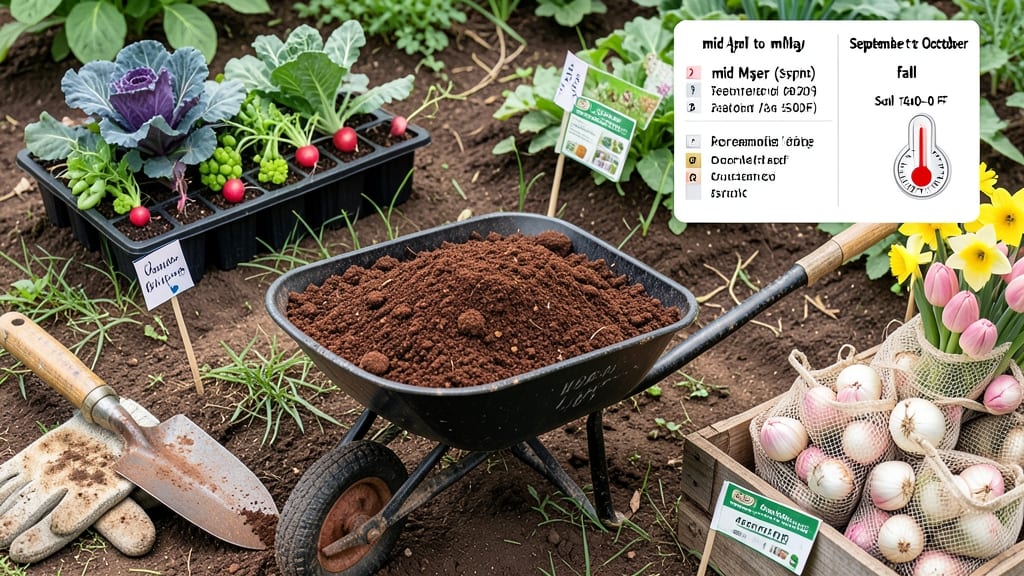
Timing when to plant a garden in Colorado just right can mean the difference between a lush summer harvest and a sad pile of frostbitten seedlings. With USDA zones 4-7 and dramatic elevation shifts across the state, knowing when to plant isn't about following a one-size-fits-all calendar.
From the Front Range's milder springs to the high-country's late frosts, each region has its own rhythm. I'll break down exactly when to start seeds indoors, when to sow directly into soil, and how to adjust for your specific elevation—because what works in Denver might fail spectacularly in Telluride.
We'll cover cold-hardy crops that can handle early springs, warm-season vegetables that need to wait for soil to warm, and smart strategies for extending your growing season. Whether you're a first-time gardener or a seasoned green thumb, these elevation-specific tips will help you avoid common mistakes.
Ready to turn your Colorado garden into a thriving ecosystem? Let's dive into the perfect planting windows for your zone and get those seeds in the ground at the right time—for zero-frost success and maximum harvests.
Colorado planting zones by elevation: when to start seeds indoors vs. direct-sow outdoors
Colorado’s elevation extremes create wildly different planting windows—what works in Denver (5,280 ft) fails at Aspen (7,800 ft). The key is adjusting your schedule by 10–20 days per 1,000 ft gained.
Let’s break it down by zone so you can avoid the frost trap that ruins so many Colorado gardens.
Most Colorado gardens fall into three elevation bands: lowland (3,000–6,000 ft), mid-elevation (6,000–8,000 ft), and high-country (8,000+ ft). Your last frost date shifts dramatically—April 15 in Denver vs. June 1 in Leadville.
Microclimates (like urban heat islands or sheltered valleys) can add another 2–4 weeks of flexibility.
Here’s the elevation-specific planting calendar you need to time your seeds and transplants perfectly:
For lowland gardens (Denver, Colorado Springs), start cool-season crops like spinach and peas indoors in early February. Direct-sow hardy greens (kale, lettuce) as soon as soil thaws—often by mid-March. Wait until after April 15 to transplant tomatoes and peppers, as nighttime temps below 50°F stunt growth.
At mid-elevations (Fort Collins, Boulder), delay indoor starts by 2 weeks. Direct-sow cold-hardy crops (radishes, carrots) in late March, but hold off on warm-season transplants (cucumbers, squash) until May 15. Use row covers to extend the season by 3–4 weeks in both spring and fall.
High-country gardeners (Eagle, Breckenridge) face the toughest timeline. Start all seeds indoors by March 15 and use grow lights to compensate for shorter daylight. Direct-sow only the hardiest crops (potatoes, peas) in late April, and transplant nothing heat-loving until June 15.
Consider container gardening for flexibility—pots warm up faster than soil.
One critical mistake Colorado gardeners make? Ignoring soil temperature. Seeds won’t germinate below 40°F for peas or 60°F for tomatoes. Use a soil thermometer—if it’s below 50°F, wait or use heat mats for transplants. Cold soil + warm air = failed germination.
For urban vs. rural differences, city gardens (like Aurora or Lakewood) often see earlier springs due to heat retention from pavement. Rural areas with higher elevations or wind exposure (e.g., Poncha Springs) may need to push planting back by 10–14 days.
Always scout your neighbors’ gardens—their blooming lilacs are your frost forecast.
Plan for succession planting in Colorado’s short season. Sow fast-maturing crops (bush beans, radishes) every 2 weeks from April to July. For slow growers (corn, cabbage), start seeds indoors in March and transplant early to maximize harvests before first frost (Oct 15 in lowlands).
Remember: Colorado’s growing season is short but intense. Master these elevation adjustments, and you’ll turn frost-prone challenges into bountiful harvests. 🌱
Cold-hardy vegetables vs. warm-season crops: what to plant when in Colorado’s short growing season
Colorado’s short growing season (just 90–120 frost-free days in most areas) demands smart crop choices. Cold-hardy vegetables like kale and peas thrive in early spring or late fall, while warm-season crops such as tomatoes and peppers need the heat of summer.
Knowing which plants to prioritize—and when—can double your harvest potential.
For high-elevation gardens (8,000+ ft), focus on fast-maturing varieties with cold tolerance. At lower elevations (Front Range), you’ll have more flexibility for longer-season crops. The key? Match your plant’s days to maturity with your region’s last frost date to avoid wasted effort.
| Crop Type | Planting Window | Days to Maturity | Frost Tolerance | Colorado Tip |
|---|---|---|---|---|
| Cold-Hardy (Spring/Fall) | March–April or Sept–Oct | 30–60 days | Survives light frost | Start peas, spinach, and kale 4–6 weeks before last frost. |
| Warm-Season (Summer) | May–June (after frost) | 60–90 days | Dies in frost | Transplant tomatoes and peppers only after soil reaches 50°F+. |
| Succession Crops | Every 2–3 weeks | 20–40 days | Moderate tolerance | Sow lettuce and radishes in weekly batches for continuous harvests. |
Use succession planting to squeeze extra harvests from Colorado’s tight schedule. For example, sow bush beans every 2 weeks from May to July—each batch will mature just as the next is ready to plant.
This trick works especially well for fast growers like radishes (25 days) and lettuce (30 days).
For high-altitude gardens, prioritize early-maturing varieties labeled “short-season” or “Arctic.” Brands like Burpee’s “Early Girl” tomatoes or ‘Early Wonder’ peas are bred to thrive in shorter summers. Check seed packets for “days to harvest” and subtract your region’s frost-free days to avoid disappointment.
Don’t overlook fall planting—it’s your secret weapon for a second harvest. Broccoli, cabbage, and carrots planted in late July or August often mature before the first frost. Just remember: soil temperature matters more than air temperature. Use a soil thermometer to confirm it’s 50°F+ before sowing warm-season crops.
Pro tip: Keep a planting journal to track what works in your microclimate. Note when you started seeds indoors, transplanted outdoors, and harvested—this helps you fine-tune next year’s schedule. Colorado’s weather is unpredictable, so flexibility is key!