
Plants
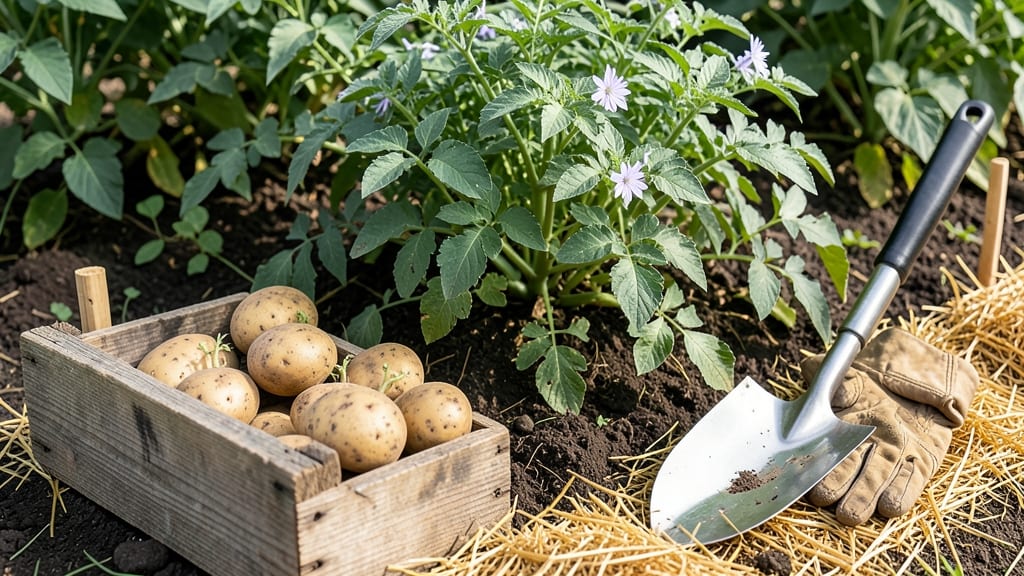
Planting potatoes in Florida at the wrong time can turn your garden dreams into a soggy, disease-ridden mess—unless you follow the exact windows that work for the Sunshine State’s unique climate. Unlike northern growers, Florida’s frost-free zones (8a-11) let you skip the waiting game, but timing still makes or breaks your harvest.
Most gardeners assume spring is the only option, but Florida’s fall planting window (September–October) often yields sweeter, higher-quality tubers with fewer pests. The key? Avoiding the brutal summer heat while giving your 🥔 enough time to mature before winter’s chill sets in.
In this guide, I’ll break down the best months for planting in North, Central, and South Florida—plus pro tips for soil prep, variety selection, and container gardening hacks. Whether you’re a first-timer or a seasoned grower, these strategies will help you dodge common pitfalls like heat stress or fungal diseases.
Ready to grow potatoes that actually thrive in Florida’s climate? Let’s dive into the zero-frost planting schedule that’ll have you harvesting before the holidays—or even year-round with the right approach.
Florida potato planting calendar: exact months by region (North vs. Central vs. South)
Florida’s three distinct regions—North, Central, and South—each have unique frost risks and soil conditions that dictate the best potato planting windows. Unlike northern states, Florida’s frost-free growing season allows for year-round potato production, but timing still matters to avoid heat stress or disease pressure.
In North Florida (USDA Zones 8a-8b), where frost can still occur, your planting window is narrower. Central Florida (Zones 9a-9b) offers the most flexibility, while South Florida (Zones 10a-11) can plant almost anytime—but extreme summer heat requires special care. Let’s break down the exact months for each region.
🌱 Key Insight: Florida potatoes thrive when soil temperatures stay between 50°F and 75°F. Below 50°F, growth slows; above 85°F, tubers may develop heat stress or hollow heart.
For North Florida, focus on early spring (February-March) to avoid late-winter frosts, which can damage young plants. The fall window (September-October) is ideal because cooler temperatures reduce disease pressure. In Central Florida, you can extend planting into late February or even August for a fall harvest.
South Florida gardeners have the most flexibility but must avoid peak summer heat (June-July). Instead, plant in December-January for spring harvests or July-August with shade protection. Red Pontiac or Yukon Gold varieties handle Florida’s heat better than Russet potatoes.
Pro tip: Use a soil thermometer to confirm temperatures before planting. Aim for 55°F+ for germination. If your soil is too cold, wait 1-2 weeks or use black plastic mulch to warm it faster.
Container gardening is also viable in Florida. Plant seed potatoes in 12-inch-deep pots with well-draining mix and harvest when tubers fill the container. This works year-round in South Florida but requires greenhouse protection in winter for North Florida.
Remember: Florida’s long growing season means you can double-crop potatoes! Plant one batch in spring and another in fall for continuous harvests. Just ensure each planting gets at least 90 days to maturity.
Florida potato planting calendar: exact months by region (North vs. Central vs. South)
Florida’s frost-free climate means you can grow potatoes year-round, but the best planting windows depend on your region. North Florida’s cooler winters and South Florida’s extended heat create distinct timelines. Let’s break down the ideal months for each zone to maximize your harvest.
In North Florida (USDA Zones 8a-8b), where frost can still occur, aim for late winter to early spring (February–March) or fall (September–October). These windows avoid frost risk while giving tubers enough time to mature before winter chill sets in.
Central Florida (Zones 9a-9b) enjoys a longer growing season, so you can plant January–March or August–September.
For South Florida (Zones 10a-11), where frost is rare, you can plant year-round with two key windows: August–September (fall harvest) and January–February (spring harvest). The goal is to avoid the peak summer heat (June–July), which stresses plants and attracts pests.
| Region | Best Planting Windows | Harvest Window | Key Considerations |
|---|---|---|---|
| North Florida (Zones 8a-8b) | Feb–Mar Sep–Oct |
Apr–Jun Nov–Dec |
Avoid frost; use early-maturing varieties (60–90 days). |
| Central Florida (Zones 9a-9b) | Jan–Mar Aug–Sep |
Mar–May Oct–Dec |
Extend season with row covers or container gardening. |
| South Florida (Zones 10a-11) | Aug–Sep Jan–Feb |
Oct–Dec Mar–May |
Skip summer; prioritize shade cloth or drip irrigation. |
For North Florida gardeners, the September–October window is my top recommendation. This timing lets you harvest before winter’s chill slows growth. Use early-maturing varieties like ‘Yukon Gold’ (90 days) or ‘Red LaSoda’ (70 days) to avoid frost risk.
In Central and South Florida, the August–September planting is ideal for a fall harvest. This avoids the brutal summer heat while giving tubers time to bulk up before cooler weather arrives.
For a spring harvest, plant in January–February—just don’t wait too late, or you’ll face heat stress by April.
Pro tip: Use a soil thermometer to confirm soil temps are 50°F+ before planting. Cold soil delays sprouting, and Florida’s unpredictable weather can throw off your timeline. Start with certified seed potatoes from a local nursery to avoid diseases like late blight, which thrives in Florida’s humidity.