
Plants
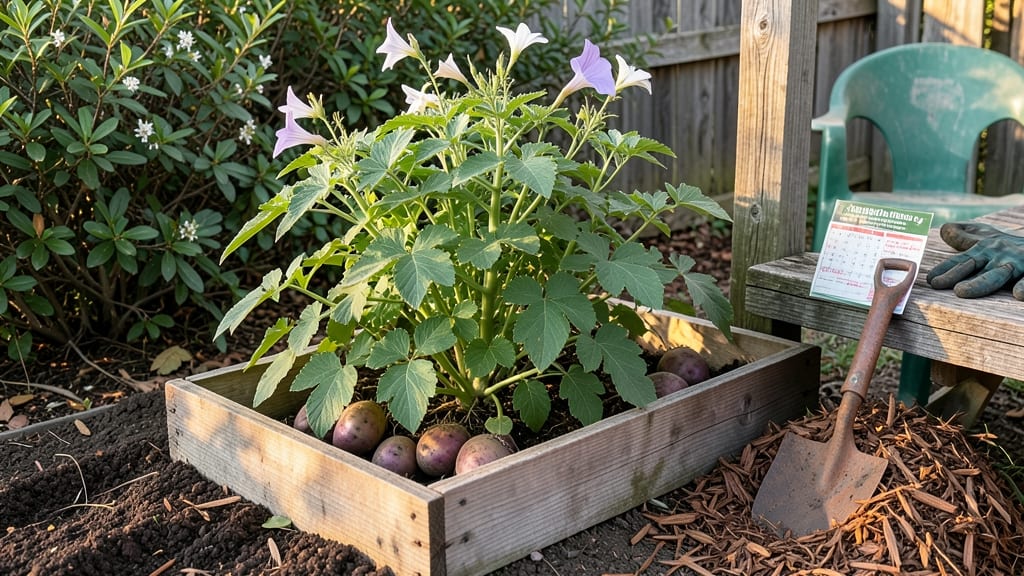
If you’ve ever wondered when do you plant potatoes in Florida to avoid stunted or bitter tubers, timing might be the key. Unlike colder climates, Florida’s frost-free zones mean you can grow potatoes year-round—but planting at the wrong time still risks poor yields or even crop failure.
The key is understanding Florida’s unique heat zones and how they affect your potato harvests. Whether you’re in the humid coasts of South Florida or the slightly cooler North, the right planting window ensures your tubers thrive without stress.
I’ll break down the exact months to start planting, so you can avoid common mistakes and enjoy a bountiful harvest.
For gardeners in USDA zones 8a-11, the best time to plant potatoes isn’t just about avoiding frost—it’s about working with Florida’s heat. Early varieties can go in as soon as soil warms, while late-season plantings need shade to prevent stress.
Let’s dive into the strategies that’ll keep your 🥔 potatoes happy and productive all year.
Ready to transform your garden? You’ll learn how to adjust for microclimates, container gardening tips, and even how to salvage a crop if you’ve already missed the ideal window. Let’s get those spuds growing the right way!
Florida’s ideal potato planting windows by heat zone: exact dates to avoid frost
Florida’s unique climate means potatoes can grow year-round, but timing matters to avoid heat stress or poor yields. Unlike northern states, Florida rarely faces frost, but North Florida (zones 8a-9a) still sees occasional cold snaps.
For South Florida (zones 10a-11), heat is the bigger enemy—planting in summer without shade leads to stunted growth.
Potatoes thrive best when soil temperatures stay between 50°F and 75°F.
In Florida, this means focusing on cooler months (fall through early spring) for optimal growth. Early varieties (60-90 days to harvest) work well in fall or winter, while late varieties (90-120 days) can handle spring planting before summer heat peaks.
Key rule: Plant when daytime highs are 75°F or lower and nighttime lows stay above 50°F. This ensures tubers develop properly without stress. Below is a breakdown by Florida’s 11 heat zones, including exact planting windows and soil prep tips.
For North Florida, prioritize fall planting (September–November) to harvest before winter chill sets in. Early varieties like ‘Yukon Gold’ or ‘Red LaSoda’ mature in 90 days, giving you time to harvest before summer heat arrives.
In South Florida, you can plant year-round, but summer planting requires shade cloth and drip irrigation to prevent wilting.
Soil temperature is critical: Use a soil thermometer to confirm conditions. Aim for 50°F+ for germination. In Florida’s sandy soils, amending with compost improves moisture retention and warmth. Mulch heavily (3–4 inches of straw or pine needles) to regulate soil temperature and reduce watering needs.
Pro tip: Chit your seed potatoes (place them in sunlight for 2–3 weeks to sprout) before planting. This jumpstarts growth, especially in warmer zones where slower germination can occur. Chitting also helps late varieties catch up in shorter growing seasons.
If you’re in South Florida and want to try summer planting, opt for shade-tolerant varieties like ‘Sweet Potato’ (yes, they’re different!) or use 50% shade cloth. Water deeply in the early morning to avoid fungal diseases like blight, which thrive in Florida’s humidity.
Remember: Harvest time depends on variety. Early potatoes (60–90 days) can be dug as soon as tubers are 2 inches wide, while late varieties need 100+ days. In Florida, this means fall-planted crops are often ready by December–January, just in time for holiday meals!
🌱
How to adjust potato planting for Florida’s microclimates: coastal vs. inland strategies
Florida’s diverse microclimates mean your potato planting strategy should shift based on whether you’re near the coast or inland. Coastal areas stay warmer longer but face more humidity and salt spray, while inland zones experience hotter days and cooler nights.
Understanding these differences helps you time plantings perfectly and avoid common pitfalls like blight or stunted growth. 🌊
In South Florida (zones 10a-11), potatoes thrive year-round, but summer planting requires shade cloth (30-50%) to protect tubers from heat stress. Meanwhile, North Florida (zones 8a-9a) gardeners should focus on fall and early spring plantings to escape summer’s brutal heat.
The key is matching your variety choice to your local climate—early varieties for cooler months and heat-tolerant types for summer. 🌡️
For coastal gardeners, focus on well-draining soil to prevent waterlogging from storms. Add 2-3 inches of compost before planting and use drip irrigation to avoid fungal diseases. Inland areas benefit from mulching with straw or leaves to retain moisture and regulate soil temperature.
This mimics Florida’s natural humus-rich soils and reduces watering needs by up to 30%. 🪴
If you’re growing potatoes in containers, coastal areas allow for summer planting with shade, while inland zones should stick to spring or fall. Use 5-gallon pots minimum and place them in east-facing spots to avoid afternoon heat.
For containers, water every 2-3 days—they dry out faster than garden beds. 🏺
Extend your growing season with row covers or shade cloth. In South Florida, use 30% shade cloth during June-August to prevent heat stress. In North Florida, row covers in early spring protect against late frosts (rare but possible).
Always secure covers with bricks or stakes to prevent wind damage. 🌿
Pro tip: Test your soil’s pH—potatoes prefer 5.0-6.5. Coastal soils may be slightly salty; flush with fresh water before planting. Inland soils often need more organic matter.
Amend with compost or peat moss to improve texture and fertility. A simple DIY pH test (vinegar + baking soda) takes 10 minutes and saves you from poor yields. ✅