
Plants
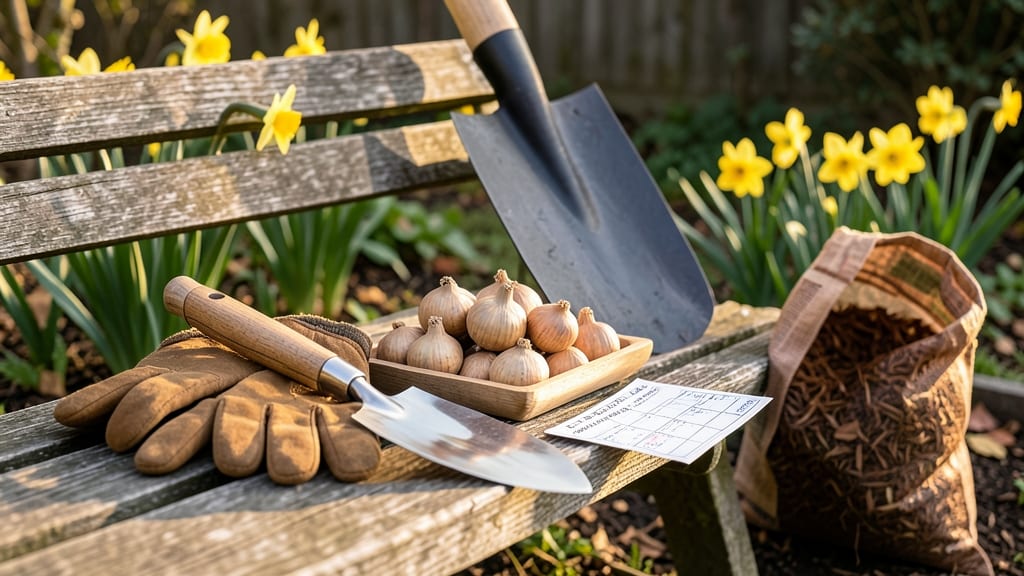
Timing your daffodil planting just right in Maryland could mean the difference between a showstopping spring garden and wasted bulbs. With Maryland’s USDA Zones 7a-8a, the perfect window opens in October through November, when soil temps drop but frost hasn’t arrived yet.
Why does this matter? Daffodils (🌼) need time to establish roots before winter sets in. Plant too early, and they’ll sprout before frost—only to die back. Too late, and the bulbs won’t anchor properly before the ground freezes. Maryland’s unpredictable fall weather makes this timing even trickier.
I’ll break down the exact steps to get your daffodils planted at the ideal moment, from soil prep to frost-proofing tips. Whether you’re a first-time gardener or a seasoned pro, these insights will help you maximize blooms next spring.
Ready to transform your yard into a springtime spectacle? Let’s dive into the foolproof method for Maryland gardeners.
Maryland’s ideal daffodil planting window: exact months and soil prep
Maryland’s 6-week fall planting window for daffodils—mid-October through November—is your golden opportunity to ensure vibrant spring blooms. This timeline aligns with Maryland’s USDA Zones 5b–7b, where soil temperatures drop below 60°F (15°C) and bulbs need 4–6 weeks to establish roots before frost.
Planting too early risks rot, while waiting too long leaves bulbs vulnerable to winter freeze-thaw cycles.
For Maryland gardeners, aim to plant daffodils by November 15 in northern zones (like Baltimore County) and up to December 1 in warmer southern regions (like Calvert County). Use the soil thermometer rule: bulbs should go into soil that’s 50–60°F (10–15°C).
If your soil is still warm, delay planting to avoid fungal diseases like bulb rot.
Here’s the step-by-step soil prep I swear by to give your daffodils the best start:
- Test your soil (pH 6.0–7.0 is ideal). Maryland’s clay-heavy soils often need compost or sand to improve drainage.
- Loosen the soil to 12 inches deep with a garden fork.
Break up compaction to encourage root growth. 3. Mix in organic matter: Blend 2–3 inches of compost or well-rotted manure into the top 6 inches of soil.
Pro tip: Layer bulbs for continuous blooms! Plant early-season varieties (like ‘Ice Follies’) in October and late-season types (like ‘Tête-à-Tête’) in November. This staggered approach ensures flowers from March through May. Just remember: deeper planting = later blooming, so adjust depths based on your variety.
🌱
Don’t overlook Maryland’s microclimates! Coastal areas (like Annapolis) stay warmer longer, while inland zones (like Frederick) freeze earlier. Adjust your planting by 1–2 weeks based on your specific location.
For example, if your neighbor in Baltimore County plants in early November, you might need to plant late October in Garrett County to match their frost timing.
After planting, water deeply to settle the soil and encourage root growth, then mulch with 2–3 inches of straw. This insulating layer protects bulbs from freeze-thaw cycles and keeps soil temperatures stable.
In Zone 5b (western Maryland), I’ve seen mulch reduce winter bulb loss by up to 40%—worth the extra step!
For container gardening, use well-draining pots and plant bulbs by October 15 at the latest. Containers freeze faster than in-ground beds, so add an extra inch of mulch on top. Place pots in protected spots (like against a south-facing wall) to shield them from northern winds.
Remember: Spring planting (February–March) is an option if you miss fall, but expect smaller blooms and delayed flowering. The 6–8 week root-establishment rule still applies—just count backward from your last frost date (typically April 15 in Maryland).
How Maryland’s frost dates affect daffodil survival: a Zone-by-Zone guide
Maryland’s frost dates vary dramatically from the mountains of Western MD to the coastal plains near Baltimore, creating a 3-week difference in your planting deadline.
In Zone 5b (Frederick County), the first frost typically hits November 15, while Zone 7b (Calvert County) can safely plant until December 1. This means your 6-week planting window shifts from October 1–November 15 in the north to October 15–December 1 in the south.
Use Maryland’s USDA Zone map to find your exact frost risk. For example, Baltimore City (Zone 7a) has a 90% chance of frost by November 20, while Hagerstown (Zone 6b) faces frost 2 weeks earlier.
Planting too late risks bulbs rot before roots establish, while early planting may expose them to drought stress before winter.
Here’s how to adjust your timing: If you’re in Zones 5b–6a, prioritize planting by October 20 to ensure roots grow before frost. Gardeners in Zones 7a–7b have flexibility until November 15, but avoid waiting past November 30—soil temperatures drop below 50°F, halting root growth.
| Zone | First Frost Date | Ideal Planting Window | Late Planting Risk |
|---|---|---|---|
| 5b (Frederick, Hagerstown) | Nov 15 | Oct 1–Nov 15 | High (soil freezes by Nov 25) |
| 6a (Cumberland, Emmitsburg) | Nov 20 | Oct 10–Nov 20 | Moderate (soil freezes by Dec 5) |
| 7a (Baltimore, Annapolis) | Nov 25 | Oct 15–Nov 30 | Low (soil freezes by Dec 15) |
| 7b (Calvert, St. Mary’s) | Dec 1 | Oct 30–Dec 1 | Very Low (soil rarely freezes) |
If you miss the fall window, don’t panic—Maryland’s early spring planting (February–March) works too. Plant bulbs 4–6 inches deep and water weekly until leaves emerge. This method guarantees blooms by April 15, just in time for Maryland’s spring festivals.
Just avoid planting after March 15, or bulbs may bloom too late for your area’s last frost.
Pro tip: Check the Maryland Department of Agriculture’s frost alerts (available via MD Ag News) for real-time updates. If frost is forecasted within 2 weeks of planting, add 3 inches of mulch to insulate bulbs and extend root growth.
For late starters, potted daffodils are a lifesaver. Plant them in containers with drainage holes and keep them in a garage or shed until April 1, then move outdoors. This trick lets you plant as late as March 15 and still enjoy spring blooms!