
Plants
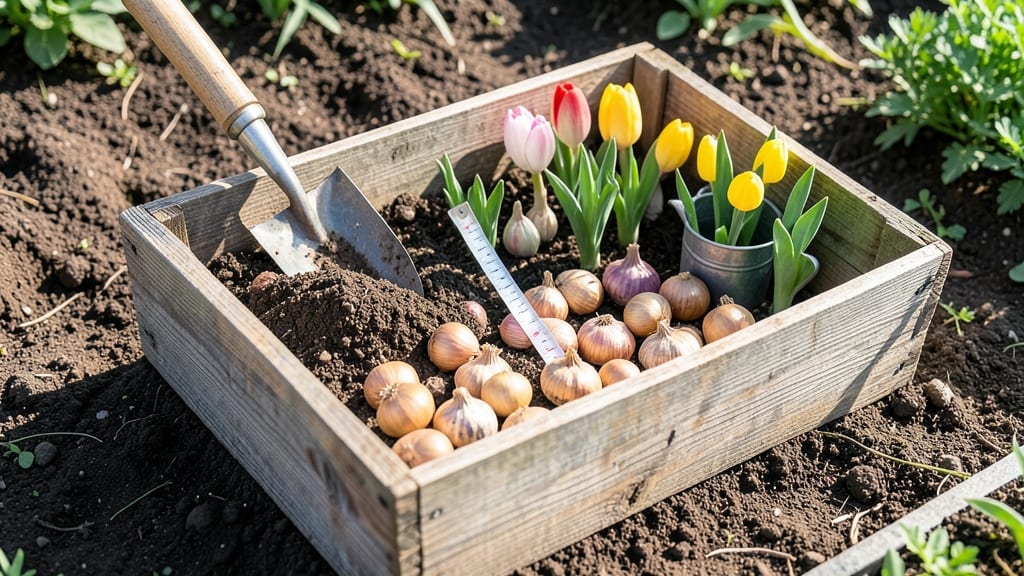
Timing your fall bulb planting just right is the secret to show-stopping spring blooms—or a total bust. If you plant too early, bulbs might rot before winter sets in; too late, and they won’t root deeply enough to survive the cold.
The 6-week window before your first frost is your golden opportunity, but getting it perfect depends on your climate zone and soil conditions.
Let’s cut through the guesswork. Whether you’re in USDA Zone 6a or beyond, I’ll walk you through the exact weeks to plant 🌱 bulbs (General) for maximum root growth.
You’ll learn how to prep your soil, spot the signs of ideal planting conditions, and avoid the three biggest mistakes that sabotage spring flowers before they even sprout.
This isn’t just about throwing bulbs in the ground and hoping for the best. It’s about creating the perfect conditions for them to establish strong roots before winter dormancy—so they burst into color with less effort and more impact next spring. Ready to transform your garden with confidence?
By the end, you’ll know exactly when to plant, how deep to bury those bulbs, and what to do after they’re in the ground to set them up for success. No more second-guessing—just vibrant blooms waiting for you in the spring.
Optimal fall planting windows by climate Zone: exact weeks before frost
Fall bulb planting isn’t a one-size-fits-all task—your USDA hardiness zone dictates the perfect window. Most bulbs need 4-6 weeks before the ground freezes to establish roots. In Zone 3-5, aim for mid-September to early October, while Zones 6-8 can wait until late October to November.
Warmer Zones 9-11 have until December, but avoid planting too late when soil temps drop below 60°F.
To pinpoint your exact date, check the average first frost for your area using the NOAA Frost Calculator. Subtract 6 weeks for your target planting window. For example, if frost hits November 15 in your zone, plant by October 1.
This timing ensures bulbs like tulips and daffodils develop strong roots before winter dormancy.
Regional variations matter too. In the Pacific Northwest, cooler soils may require earlier planting (late August), while Southern states can delay until December. Always prioritize soil temps over calendar dates—50-60°F is ideal for root growth.
Bulbs like tulips and daffodils thrive when planted in cool but workable soil. If your ground stays warm late into fall, opt for early varieties or use shade cloth to cool the soil.
Conversely, in Zone 3, plant 6-8 weeks before frost—earlier than later zones—to avoid premature freezing.
For container gardening, the rules shift slightly. Pots freeze faster, so plant 4-5 weeks before frost and use insulated planters or move containers to sheltered spots. Always ensure drainage holes are present to prevent root rot during winter rains.
Missed the window? Don’t panic. Some bulbs, like daffodils and snowdrops, tolerate late fall planting as long as the ground isn’t frozen. Others, like tulips, struggle if planted too late.
When in doubt, err on the earlier side—bulbs won’t bloom the first year but will reward you with vibrant spring color for years to come.
Local microclimates also play a role. South-facing slopes warm up faster and may need earlier planting, while north-facing areas can wait until soil cools. Observe your garden’s patterns: where does frost linger longest? Adjust your timing accordingly.
Finally, bulb freshness impacts success. Older bulbs may not root well, so choose plump, firm bulbs from reputable nurseries. Store them in a cool, dry place until planting day. With the right timing and prep, your fall-planted bulbs will deliver show-stopping blooms next spring.
Remember: the goal isn’t just to plant bulbs—it’s to give them the perfect head start for a season of color. Timing, soil, and bulb quality are your trio of success.
5 Signs your fall bulb planting is perfect (and 3 mistakes to avoid)
Fall bulb planting success starts with ideal timing and conditions. The best time to plant is when soil temps hit 60°F (15°C) but before the ground freezes. This window ensures bulbs establish roots without rotting in cold soil. Here’s how to know you’ve got it right—and what to avoid.
First, check your local frost date using the USDA Plant Hardiness Zone Map. Aim to plant 4-6 weeks before the first hard frost. For example, in Zone 5, that’s typically mid-October, while Zone 8 gardeners can wait until early December.
Use a soil thermometer to confirm temps are between 50-60°F (10-15°C)—this is prime for root growth.
Next, examine the bulbs themselves. Healthy bulbs should feel firm and plump, with no signs of mold or soft spots. If they’re shriveled or sprouting excessively, they’ve been stored too long or in poor conditions.
Discard any damaged bulbs—they won’t thrive. Look for fresh, dry skins and a strong, earthy smell. This ensures your bulbs are ready to plant and won’t waste energy recovering from stress.
Press a handful of soil—it should crumble easily but hold its shape. If it sticks to your hands, wait for it to dry out.
Dig holes 3x the bulb’s height (e.g., 6 inches deep for a 2-inch tulip bulb). Deeper = more stability; shallower = faster sprouting.
Plant bulbs on a slight slope or in raised beds to prevent water pooling. Add a layer of gravel or sand at the bottom of the hole if your soil is clay-heavy.
After planting, water deeply to settle the soil, then water lightly every 7-10 days until the ground freezes. Avoid soggy soil—bulbs rot in waterlogged conditions.
Add 2-3 inches of mulch (straw, leaves, or pine needles) to insulate bulbs and retain moisture. Remove mulch in early spring to prevent rot.
Now, let’s talk mistakes to avoid. Planting bulbs too early (e.g., August in warm climates) can cause them to sprout prematurely, only to be killed by frost. Conversely, planting too late (after the ground freezes) means bulbs won’t establish roots before winter.
Another common error is using old or damaged bulbs, which weakens their ability to grow. Finally, skipping soil prep—like ignoring drainage or compacted soil—can strangle roots before they even start.
Pro tip: If you’re unsure about your local frost date, use the NOAA Frost/Freeze Forecast or check with your local Cooperative Extension Service. They provide hyper-local data to help you pinpoint the perfect planting window.
With these signs and pitfalls in mind, you’re ready to plant with confidence—and enjoy a show-stopping spring display! 🌷