
Plants
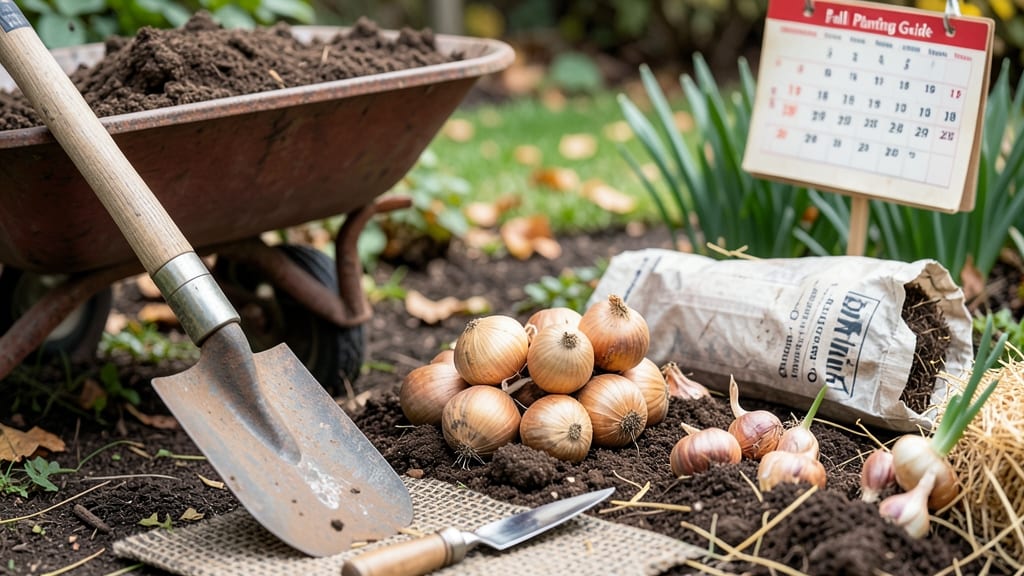
If you’ve ever dreamed of waking up to a burst of sunshine-yellow 🌼 daffodils in your Southern California garden, when to plant the bulbs in Southern California is the secret weapon you need.
Planting these cheerful bloomers at the wrong time—like waiting until spring—means missing the cool-season window they crave, and your bulbs may never even sprout.
The key lies in Southern California’s unique microclimates, where coastal areas like San Diego (Zone 9b) can handle late fall plantings while inland desert regions (Zones 10a-11) might need an earlier start.
Most gardeners here assume "fall planting" means a single month, but the truth is more nuanced. From October through December, you’ve got a flexible window to get those bulbs in the ground—just before the soil warms up for summer. The goal?
Give roots time to establish before the heat arrives, so your daffodils can focus on blooming come March or April, not wilting under the sun. Whether you’re in La Jolla or Palm Springs, your local frost risk (or lack thereof) plays a bigger role than you might think.
Here’s the game-changer: soil temperature matters more than calendar dates. Aim to plant when daytime highs dip below 70°F, and your bulbs will thank you with vigorous growth.
I’ll walk you through exactly how to read your microclimate, choose the right varieties for your zone, and avoid the costly mistakes that turn hopeful gardeners into frustrated ones. Let’s make sure your daffodils don’t just survive—they thrive.
Ready to turn your yard into a springtime spectacle? I’ll break down the step-by-step timing for your specific corner of Southern California, plus pro tips to keep your blooms coming back year after year. No more guessing—just bold, reliable results that’ll have your neighbors asking for your secrets.
Southern California daffodil planting calendar: microclimate-specific months for best results
Southern California’s unique climate—where coastal breezes meet desert heat—means daffodil planting windows vary dramatically. While most gardeners aim for fall planting (October-December), your exact timing depends on whether you live in coastal Malibu, inland Riverside, or desert Palm Springs.
The key is planting when soil temperatures drop below 65°F (18°C) to encourage root growth before summer’s heat arrives.
Coastal areas like Santa Barbara and San Diego have milder winters, allowing daffodils to be planted as late as January. In contrast, inland valleys like the San Fernando Valley or desert regions such as Palm Springs need bulbs in the ground by November to avoid premature sprouting.
Even a 10°F difference in soil temperature can shift your ideal planting month by 4-6 weeks.
Here’s how to match your microclimate to the perfect planting window:
| Region | USDA Zone | Best Planting Window | Soil Temp Threshold | Key Consideration |
|---|---|---|---|---|
| Coastal (e.g., San Diego, Santa Barbara) | 9b-10a | November–January | 55–65°F (13–18°C) | Mild winters; late planting still works |
| Inland Valleys (e.g., Los Angeles, Riverside) | 10a-11 | October–November | 60–68°F (16–20°C) | Warmer soils; plant early to avoid heat stress |
| Desert (e.g., Palm Springs, Joshua Tree) | 10b-11 | September–October | 65–75°F (18–24°C) | Extreme heat; plant ASAP for root establishment |
| High Desert (e.g., Big Bear, Wrightwood) | 7b-8a | October–November | 50–60°F (10–15°C) | Cooler nights; chilling required for blooms |
Rainfall also plays a role. Coastal areas receive winter rains, which help establish roots, while desert regions rely on irrigated planting. If you’re in a dry climate, water deeply after planting to encourage root growth. Aim for 1 inch of water per week until spring sprouting begins.
Pro tip: Use a soil thermometer to check temperatures. Daffodils need cool soil (below 65°F) to break dormancy. If your soil is still warm in November, wait another 2-4 weeks before planting. Patience here prevents premature sprouting, which weakens bulbs before they’ve established roots.
For container gardening, timing shifts slightly. Potted daffodils can be planted 2-4 weeks later than in-ground bulbs because containers cool faster. Just ensure pots have drainage holes and use a lightweight potting mix to avoid waterlogging.
One common mistake? Planting too deep. In Southern California’s well-draining soils, daffodil bulbs should be buried at 2x their height (e.g., a 2-inch bulb goes 4 inches deep). Deeper planting risks rot in winter rains, while shallow planting exposes bulbs to heat stress.
Finally, consider bloom time. Early daffodils (like 'February Gold') planted in October will bloom by February, while late varieties (like 'Ice Follies') planted in November may wait until April. Plan your planting schedule to enjoy continuous color from winter through spring.
🌼
How to choose the right planting time based on your local conditions
Southern California’s diverse microclimates mean your daffodil planting window can vary by hundreds of miles. Coastal areas like Malibu or San Diego enjoy milder winters, while inland valleys like San Fernando or desert regions near Palm Springs face hotter, drier conditions.
Your local soil temperature and rainfall patterns are key factors—aim for 60°F soil temps and consistent moisture to encourage root growth before summer heat arrives.
Use these three simple checks to determine your ideal planting window: frost risk (even rare frost can damage new shoots), soil moisture (avoid waterlogged ground), and elevation (higher areas cool faster).
In coastal zones (USDA 9b-10a), you can plant as late as January, while inland desert areas (USDA 10b-11) should plant by November to avoid summer dormancy stress.
Daffodils need 6-8 weeks to establish roots before summer heat. Planting in December or January in inland areas risks bulb dehydration—roots can’t keep up with evaporation. Coastal gardeners have more flexibility due to higher humidity and cooler nights.
For high-desert regions (e.g., Joshua Tree or Palm Springs), pre-chill bulbs for 4-6 weeks in your fridge to mimic winter conditions. Store them in a paper bag with sphagnum moss to prevent drying.
Meanwhile, coastal gardeners can plant directly into well-draining soil mixed with compost—just avoid low-lying spots where winter rains cause soggy soil.
Pay attention to local rainfall forecasts. In drought-prone areas, water deeply after planting to settle soil around bulbs, then reduce to bi-weekly watering once shoots appear. Overwatering in January or February can lead to rot, while underwatering in spring stresses blooming plants.
Use a moisture meter to check soil depth—aim for 60-70% moisture in the top 6 inches.
Adjust your timeline if you’re in a transition zone, like Los Angeles Basin or Orange County. These areas experience urban heat islands—soil can stay 10°F warmer than rural spots just 5 miles away.
Plant 2-3 weeks earlier than coastal guidelines and use mulch to insulate bulbs. A 3-inch layer of straw helps regulate soil temp and retains moisture during Santa Ana wind events.
Finally, observe your neighbors’ gardens. If their tulips or crocuses are already blooming by February, it’s likely too late to plant daffodils without risking poor root establishment. When in doubt, plant in November—this gives bulbs enough time to root before summer, regardless of your exact microclimate.
Patience pays off with longer-lasting blooms and healthier plants year after year.