
Plants
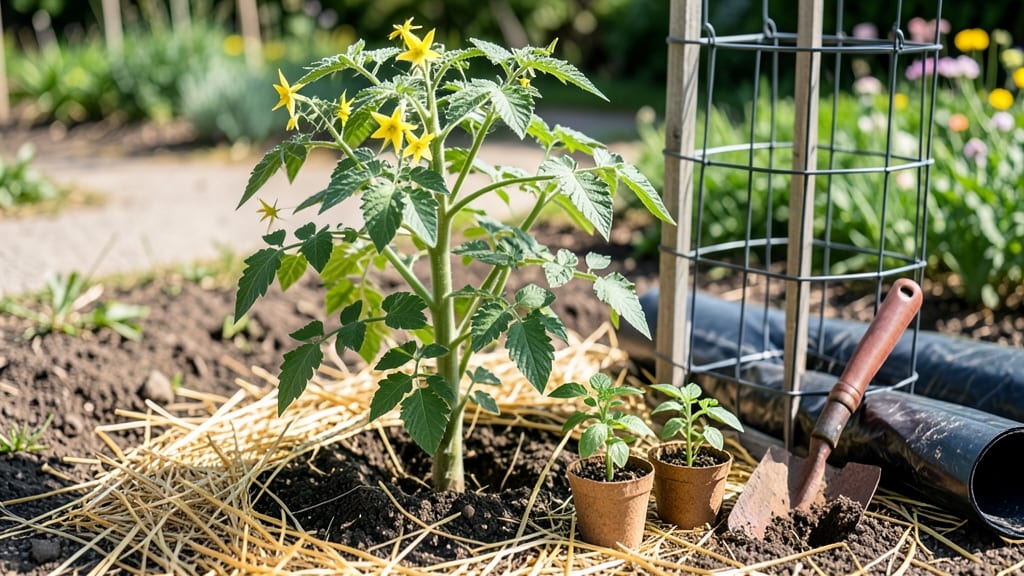
Knowing when is it too late to plant tomatoes in Ohio can mean the difference between a bountiful harvest and a wasted season. With Ohio’s unpredictable spring weather, gardeners often find themselves racing against time to get their 🍅 seedlings in the ground before the last frost date slips away.
For most of the state, the ideal planting window stretches from April 15 to June 1, but missing that cutoff doesn’t automatically spell disaster. The key lies in understanding your county’s specific frost dates and selecting fast-maturing varieties that can still thrive in Ohio’s 6a zone.
Even if you’re planting late, you can still extend your growing season with the right strategies—like using row covers or choosing early varieties that mature in just 55 days.
Let’s break down exactly how to calculate your safe window and what alternatives exist if you’ve already missed the traditional timeline.
Whether you’re a seasoned gardener or a first-timer, this guide will help you maximize your 🍅 harvest, no matter when you get started. Don’t let timing stress derail your garden—discover how to work with Ohio’s climate instead.
Ohio’s last frost dates by county: critical deadlines for planting tomatoes
Ohio’s last spring frost dates vary dramatically by county, creating a 3-4 week window between northern and southern regions. For most gardeners, the safe planting window for tomatoes closes between June 1-15, depending on your location. Missing this window risks stunted growth or frost damage before harvest.
In USDA Zone 5 counties like Ashtabula or Medina, the last frost typically occurs around May 10-15, leaving only 4-6 weeks to grow a full-sized tomato before Ohio’s average first fall frost (October 20).
Meanwhile, Zone 6 areas like Hamilton or Franklin County enjoy a 2-week extension, with last frosts around May 25-30.
Here’s the critical rule: Tomatoes need 70-90 days from transplant to harvest. Planting after June 15 in most counties means you’ll likely harvest after the first frost, unless you use season extenders like row covers or greenhouses.
| County | Last Spring Frost (Avg.) | Safe Planting Window | Latest for Harvest |
|---|---|---|---|
| Ashtabula (Zone 5b) | May 10-15 | April 25 - June 1 | July 20 |
| Medina (Zone 5b) | May 12-17 | May 1 - June 5 | July 25 |
| Franklin (Zone 6a) | May 25-30 | May 10 - June 15 | August 10 |
| Hamilton (Zone 6a) | May 22-28 | May 5 - June 10 | August 5 |
| Cincinnati (Zone 6b) | May 28-31 | May 15 - June 20 | August 15 |
| Wayne (Zone 5b) | May 15-20 | May 5 - June 5 | July 30 |
⚠️ Note: These dates are averages—check your local Cooperative Extension for microclimate adjustments.
For gardeners in northern Ohio, the June 1 cutoff is non-negotiable. If you plant after this date, opt for determinate varieties (like 'Roma' or 'Patio') that mature in 55-65 days.
In southern Ohio, you can push the envelope to June 20 with fast-maturing hybrids like 'Early Girl' or 'Stupice'.
Soil temperature is just as critical as air temperature. Tomatoes won’t thrive until the soil reaches 60°F (15°C). Use a soil thermometer to verify—cold soil delays germination and stunts root growth.
In Zone 5, this often means waiting until late May, even if the last frost passed earlier.
Microclimates can shift your planting window by 1-2 weeks. South-facing slopes warm up faster, while low-lying areas stay colder. If your yard is shaded by trees or surrounded by buildings, plant 2 weeks earlier than the county average.
Conversely, urban heat islands in cities like Columbus may allow 1-2 weeks later planting.
Don’t rely on calendar dates alone. Sign up for local frost alerts from the National Weather Service or use the Old Farmer’s Almanac for real-time updates. A single late frost in early June can wipe out seedlings, so always have row covers ready.
For container gardeners, the rules are slightly different. Pots warm up faster than soil, so you can plant 1-2 weeks later than in-ground tomatoes. However, containers also dry out quicker, so daily watering is a must.
If you’re using 5-gallon buckets, aim to plant by June 10 in most of Ohio to ensure harvest before frost.
Pro tip: Plant a test row of radishes 2 weeks before your target tomato planting date. Radishes sprout quickly (7-10 days) and signal when the soil is consistently warm enough for tomatoes. If they thrive, your tomatoes are ready to go!
How to calculate your safe planting window for late-season tomatoes
Calculating your safe planting window for tomatoes in Ohio isn’t just about memorizing frost dates—it’s about understanding soil temperature, seedling maturity, and your local microclimate. Most tomato varieties need 60-86 days to reach harvest, so late plantings require fast-growing types or season extenders.
Start by checking your county’s last frost date (average April 15 for most of Ohio). Add 2-4 weeks to that date to determine the latest you can plant seedlings—this gives roots time to establish before summer heat arrives.
For example, if your last frost is April 22, aim to plant by May 15.
Next, verify soil temperature using a soil thermometer—tomatoes thrive when soil stays above 60°F. In Ohio’s USDA Zone 6a, soil may not warm enough until late May, especially in northern counties like Cuyahoga or Lorain. Wait until soil hits 60°F consistently before planting.
For late plantings after June 1, choose determinate varieties like ‘Early Girl’ (50 days) or ‘Stupice’ (55 days), which mature faster than indeterminate types. Pair this with row covers to add 2-4°F warmth and protect against unexpected frosts.
Don’t overlook container gardening—pots warm up faster than soil and let you plant 2-3 weeks later than ground plantings. Just ensure containers have drainage holes and use heat-retentive fabrics like black plastic mulch to speed up soil warming.
If you’re planting in July or August, focus on cherry tomatoes or ‘Tiny Tim’ (45 days), which can still produce a harvest before Ohio’s first frost (October 20). Combine this with drip irrigation to maintain moisture during summer heat waves.