
Plants
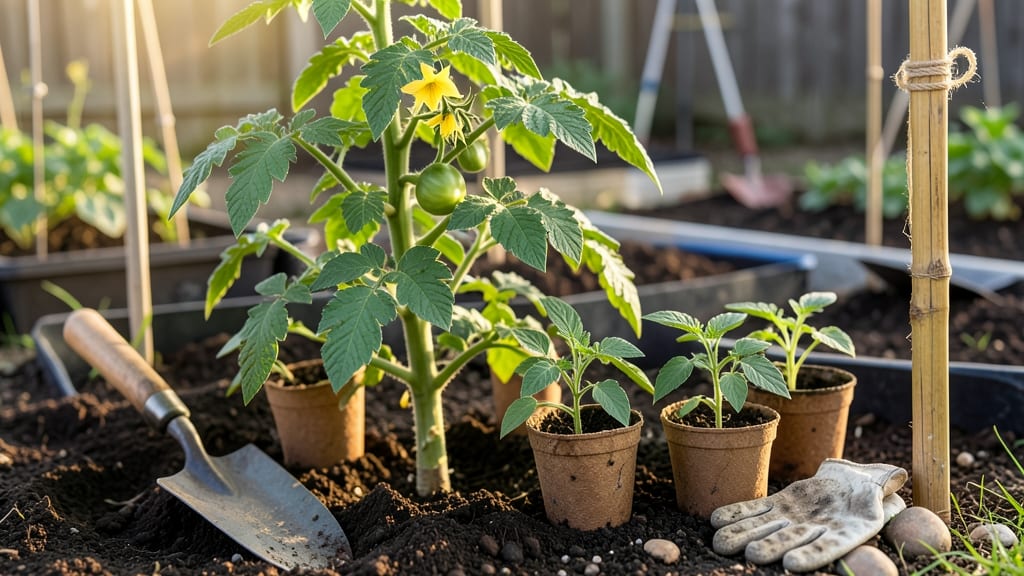
Timing when you can plant tomatoes in Michigan isn’t just about waiting for spring—it’s about dodging frost, maximizing your harvest, and working with your local climate. Plant too early, and a late frost could wipe out your seedlings; too late, and you’ll miss the sweet spot for summer tomatoes.
Michigan’s 5b-6b zones mean the right window varies from Detroit to the Upper Peninsula, where frost lingers longer.
Most Michigan gardeners can start planting outdoors between mid-April and early June, but the exact date depends on your county’s last frost average. In southern Michigan, you might be safe by late April, while northern areas like Traverse City or the UP often wait until early May.
The key is watching soil temperatures—60°F or warmer signals it’s time to plant.
If you’re eager to get a head start, indoor seed-starting in March gives you a 4-6 week advantage. But even with early starts, don’t rush—transplanting seedlings too soon can stunt growth.
We’ll break down the best strategies for your region, whether you’re growing in raised beds, containers, or traditional garden plots.
Ready to avoid common mistakes and set your tomatoes up for success? Let’s dive into the exact deadlines, soil prep tips, and variety choices that work best for Michigan’s short but productive growing season.
Michigan’s last frost dates by region: critical tomato planting windows
Michigan’s frost-free dates are the backbone of successful tomato planting. The Upper Peninsula faces later springs, while southern counties like Wayne or Monroe can plant weeks earlier. Understanding these regional deadlines ensures your seedlings thrive—not just survive.
Tomatoes need warm soil (60°F+) and consistent nighttime temps above 50°F. In Michigan, this typically aligns with mid-April to early June, but exact dates shift 100+ miles north-south. Let’s break it down by USDA Hardiness Zones 5b-6b.
🌱 PRO TIP: Use black plastic mulch to warm soil faster—critical for northern Michigan’s shorter growing seasons. This can shave off 1-2 weeks before planting.
For Detroit-area gardeners, aim to transplant seedlings by May 1—this gives your plants 120+ frost-free days to mature. In Traverse City, wait until May 20 to avoid late frosts that can kill young plants.
Direct sowing (planting seeds outdoors) is riskier in Michigan. Seeds need consistent warmth to germinate—soil temps below 55°F slow growth. That’s why transplanting seedlings (bought or homegrown) is safer for most regions.
⚠️ WARNING: Even after the last frost, nighttime temps below 50°F can stunt tomato growth. Use frost blankets or row covers for early transplants in northern Michigan.
Urban gardeners in Grand Rapids or Lansing can push planting dates slightly earlier if using black plastic mulch or cold frames. These tools raise soil temps by 5–10°F, creating a microclimate that mimics southern Michigan’s conditions.
Track your local frost dates using the Michigan State University Extension’s frost map or set up a minimum-maximum thermometer in your garden. Historical data shows that late-May frosts still occur in 50% of years in northern counties.
If you’re seed-starting indoors, begin 6–8 weeks before your last frost date. For southern Michigan, that’s mid-March; for the UP, late April. Use grow lights to prevent leggy seedlings—natural light alone won’t cut it.
Remember: Tomatoes are heat-lovers. Planting too early in cool soil leads to blossom drop (flowers falling off without fruiting). Wait for soil temps above 60°F and daytime temps above 70°F for best results. 🌱
How to adjust tomato planting for Michigan’s microclimates
Michigan’s diverse geography means your neighbor’s perfect tomato planting time might not work for you. Urban heat islands in Detroit can push last frost dates 1-2 weeks earlier than rural areas, while the Upper Peninsula’s cooler climate demands extended growing seasons.
Understanding your microclimate lets you fine-tune planting for maximum success.
Start by identifying your local microclimate factors. South-facing walls, pavement, or even a nearby lake can create warmer pockets where tomatoes thrive earlier. In contrast, shaded yards or high-altitude areas (like Marquette’s 1,000-foot elevation) delay planting by 2-3 weeks.
Use a minimum thermometer to track nighttime lows—tomatoes need consistent 50°F+ nights to avoid stunted growth.
For urban gardeners, container growing solves many timing challenges. Potted tomatoes warm up faster in black containers and can be moved to sunny balconies or rooftops 2 weeks before ground planting. Just ensure containers have drainage holes and use lightweight potting mix to prevent waterlogging.
🌱Pro Tip: Test your soil’s warmth with a soil thermometer—tomatoes need 60°F+ soil to germinate properly. If it’s cooler, use black plastic mulch or a cold frame to accelerate warming by 2-3 weeks.
Don’t overlook row covers and cold frames—these tools can push your planting window 3-4 weeks earlier by trapping heat. For example, in Kalamazoo’s Zone 6a, covering seedlings with floating row covers lets you plant in early April instead of late May.
Just remove covers when flowers appear to prevent heat stress.
If you’re in a short-season area (like the UP), focus on fast-maturing varieties and succession planting. Sow a second batch of seeds 6 weeks after the first to stagger harvests.
Pair this with vertical trellising to maximize space—tomatoes like 'Early Girl' can produce 100+ fruits in 60 days when given proper support.
🌿Remember: Even with adjustments, always monitor weather forecasts. A late frost in May can wipe out unprotected seedlings, but a 30-day forecast gives you time to cover plants or replant. Michigan’s climate is unpredictable—stay flexible and be ready to adapt!