
Plants
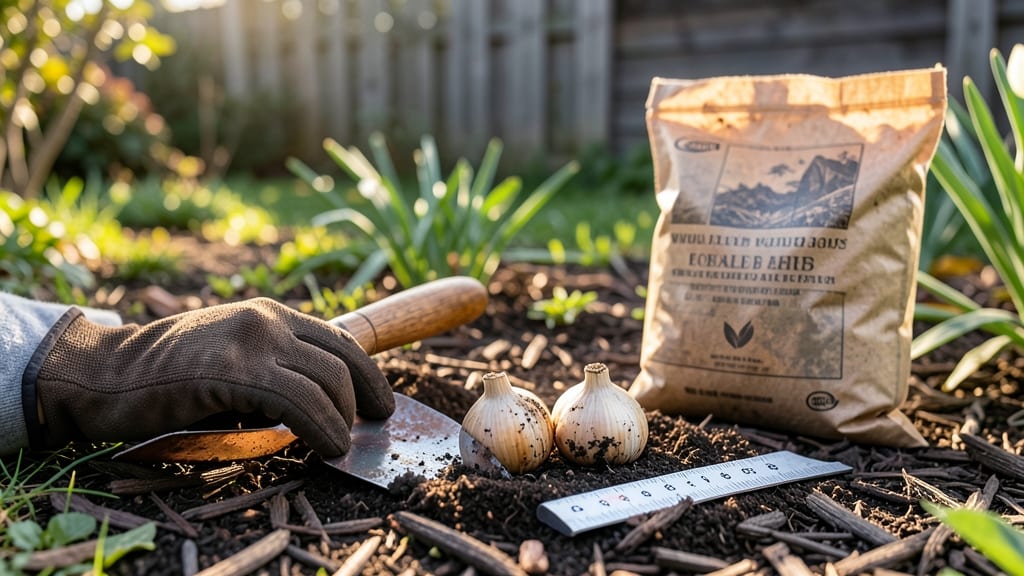
Planting daffodil bulbs in Indiana at the right time is the secret to vibrant spring blooms—but getting it wrong means wasted effort. With Indiana's USDA zones 5b-6b, timing matters more than you think, and a late start can leave your bulbs vulnerable to winter's harshest freeze.
Most gardeners in Indiana aim to plant between October and November, but the exact window depends on soil temperature and frost dates. Plant too early, and your bulbs might rot; too late, and they won’t establish roots before the ground freezes.
I’ll show you how to nail the 6-week rule before the first frost—so your daffodils 🌼 pop up early and strong.
What if you missed the ideal window? Don’t worry—I’ll also cover how to adjust for Indiana’s unpredictable weather, including using mulch and frost blankets to protect your investment.
Whether you’re a first-time gardener or a seasoned pro, these tips will help you avoid common mistakes and ensure your daffodils thrive next spring.
Ready to transform your garden? Let’s break down the exact dates, soil prep, and planting techniques tailored for Indiana’s climate—so you can enjoy those cheerful yellow blooms come April without the guesswork.
Optimal Indiana daffodil planting dates by hardiness Zone
Indiana’s USDA Zones 5b-6b create a 6-week window for planting daffodil bulbs—late September through mid-November. This timing ensures bulbs establish roots before the ground freezes, typically around November 10-20 in most areas. The key? Planting when soil temps drop to 60°F but haven’t yet hit freezing.
For Zone 5b (northern Indiana), aim for September 15–October 15. Warmer microclimates in Zone 6b (southern Indiana) can extend planting until November 15. Check your local first frost date—planting 4-6 weeks before ensures survival.
🌼 Indiana Daffodil Planting Timeline
| Zone | Ideal Planting Window | Soil Temp Threshold | First Frost Risk |
|---|---|---|---|
| 5b (Northern IN) | September 15–October 15 | 60–50°F | High after Oct 20 |
| 6a (Central IN) | September 30–October 30 | 60–55°F | Moderate after Nov 5 |
| 6b (Southern IN) | October 15–November 15 | 60–50°F | Low after Nov 15 |
*Adjust 1-2 weeks earlier for high-altitude areas or later for urban heat islands.
Use a soil thermometer to confirm readiness—bulbs need 4-6 weeks to root before winter. In Zone 5b, early planting (by Sept 15) reduces frost risk, while Zone 6b gardeners can push planting to November. Always plant 6 weeks before your area’s average first frost.
Indiana’s microclimates matter! Urban areas stay warmer, extending the window by 1-2 weeks. Conversely, northern Indiana’s colder pockets may need planting by October 1. Check Purdue Extension’s frost maps for your county’s specifics.
For early blooms, prioritize dwarf varieties like ‘Tête-à-Tête’—they establish faster and thrive in Indiana’s shorter growing seasons. Plant them 2-3 weeks before standard daffodils for a head start.
Pro tip: Test soil moisture before planting. Soggy soil in fall leads to rot—aim for well-draining spots with 3-4 inches of compost mixed in. This prevents waterlogged bulbs, a common killer in Indiana’s clay-heavy soils.
If you miss the fall window, spring planting is possible—but blooms may be delayed. Plant as soon as soil thaws (March–early April) and expect flowers 6-8 weeks later than fall-planted bulbs.
Remember: Daffodil bulbs need 6+ hours of sun and well-draining soil. Choose a spot with morning sunlight to prevent afternoon heat stress in Indiana’s humid summers.
For container gardening, plant bulbs in pots by October 1—they’ll bloom 2-3 weeks earlier than in-ground varieties. Use fast-draining mixes with perlite to mimic Indiana’s ideal soil conditions.
Optimal Indiana daffodil planting dates by hardiness Zone
Indiana’s USDA Zones 5b-6b mean your daffodil planting window is tight but flexible—aim for late September through mid-November. The key is planting when soil temps drop to 60°F or lower but before the ground freezes.
In Zone 5b (northern IN), this is typically mid-September to early November, while Zone 6b (southern IN) can stretch until mid-November.
Local microclimates matter! Urban areas like Indianapolis may freeze earlier than rural zones, so check your last frost date (usually October 20) and plant 4-6 weeks before. For example, if frost hits November 10, plant by October 15 to give roots time to establish.
🌱
| Zone | Ideal Planting Window | Soil Temp Threshold | Adjust for Early Frost? |
|---|---|---|---|
| 5b (Northern IN) | Mid-Sept to Oct 20 | 60°F or below | Yes—plant by Oct 15 |
| 6a (Central IN) | Late Sept to Nov 1 | 55°F or below | Yes—plant by Oct 25 |
| 6b (Southern IN) | Oct 1 to Nov 15 | 50°F or below | Yes—plant by Nov 1 |
For early blooms, prioritize dwarf varieties like ‘Tête-à-Tête’ (6-8 inches tall) or ‘Ice Follies’ (white, snowdrop-like). These thrive in Zone 5b and often bloom 2-3 weeks earlier than standard types. Plant them 3-4 weeks before your target zone’s deadline to ensure they establish roots before winter.
Pro tip: Use a soil thermometer ($10 at garden centers) to confirm temps—60°F is ideal. If soil is still warm (70°F+), wait 1-2 weeks or your bulbs may rot.
In southern Indiana (Zone 6b), you can sometimes plant as late as early December if soil is cool, but this risks frost heave (bulbs pushing up in freeze-thaw cycles).
🌿
If you miss the fall window, spring planting is possible but risky—daffodils need 6-8 weeks of root growth before summer heat. Plant in early March (Zone 5b) or late February (Zone 6b), but expect smaller blooms the first year.
For best results, stick to fall planting and mark your calendar for October 15-31 as your sweet spot.