
Plants
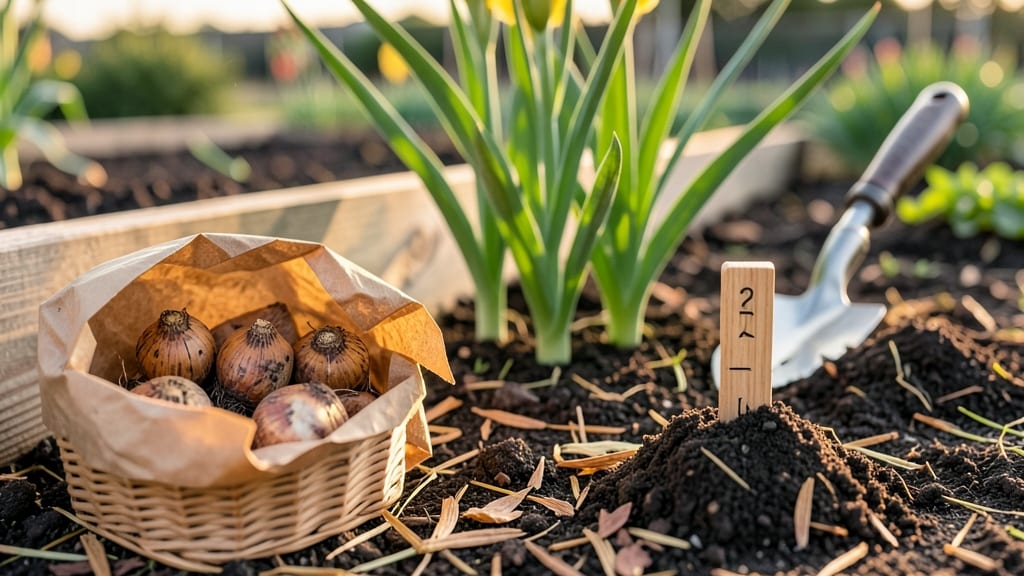
If you’ve ever planted gladiolus bulbs in Indiana only to watch them wither from a surprise frost, you’re not alone. The perfect timing between Indiana’s last frost and soil warmth is the key to vibrant blooms or wasted effort—and I’ll show you exactly when to plant for zero-frost success.
Gladiolus 🌸 thrive in Indiana’s USDA Zone 6a, but their mid-April to mid-May window is narrow. Plant too early, and frost zaps your corms; too late, and you miss peak blooming season.
The solution? A science-backed approach that aligns with Indiana’s climate quirks—like waiting until soil hits 60°F and tracking local frost dates.
In this guide, I’ll break down the exact dates for your region, soil prep secrets, and how to spot the ideal moment when your garden is truly ready. No more guesswork—just bold, reliable blooms that turn heads from late summer through fall.
Ready to transform your Indiana garden into a gladiolus paradise? Let’s dive into the timing, tools, and tricks that make all the difference.
Indiana’s gladiolus planting calendar: exact dates by frost Zone
Indiana’s USDA Zones 5-6 create a delicate balance for gladiolus planting—too early, and frost zaps your corms; too late, and your blooms arrive after summer’s peak.
The ideal window spans mid-April to mid-May, but your exact timing depends on whether you’re in Northern Indiana (Zone 5) or Southern Indiana (Zone 6). Let’s break it down by microclimate and soil temperature thresholds.
For Northern Indiana gardeners (e.g., Fort Wayne, Gary), aim for April 20–May 5 after the last frost date (typically April 15). Soil must reach 60°F+ at 4 inches deep—test with a soil thermometer or wait until daffodils bloom (a natural indicator).
In Southern Indiana (Evansville, Louisville), you can plant 1–2 weeks earlier (April 10–25), thanks to milder springs.
Here’s the golden rule: Plant gladiolus corms when your nighttime temperatures consistently stay above 50°F. Use row covers if late frosts linger—these extend your window by 2–3 weeks in both zones. Pro tip: Pre-warm corms indoors for 1–2 weeks before planting to jumpstart growth in cooler regions.
Miss the spring window? You can still plant late summer (July–early August) for fall blooms, but expect shorter stems and fewer flowers. This method works best in Zone 6 areas where summers are long enough for 90+ days of growth before frost.
| Zone | Last Frost Date | Ideal Planting Window | Soil Temp Threshold | Risk of Late Planting |
|---|---|---|---|---|
| Zone 5 (Northern IN) | April 15 | April 20–May 5 | 60°F+ at 4" | Frost damage to sprouts |
| Zone 6 (Southern IN) | April 1 | April 10–25 | 55°F+ at 4" | Shorter bloom season |
| Both Zones (Late Summer) | N/A | July 1–August 10 | 65°F+ at 4" | Reduced stem height |
Indiana’s heavy clay soils can delay warming—if your soil stays below 60°F past May 10, consider raising beds or planting in black plastic mulch to speed up heating. Monitor weather forecasts for late frosts (common in May) and have row covers ready to protect young shoots.
Pro gladiolus growers in Indiana swear by succession planting: Stagger corms every 2 weeks from April to June to enjoy continuous blooms from July to September.
For example, plant 1/3 of your corms in April, another 1/3 in May, and the final batch in early June. This tactic maximizes your 165 frost-free days in Indiana.
Don’t overlook microclimates—southern exposures or urban heat islands (like Indianapolis) can be 5–10°F warmer than rural areas. Use these spots to plant early varieties like ‘Green Star’ or ‘Picasso’, which thrive in shorter growing seasons.
In contrast, tall varieties (e.g., ‘Black Star’) need the full 120-day season—save these for Zone 6 or late-April plantings.
Track your local frost dates using the National Weather Service or Old Farmer’s Almanac, but remember: Indiana’s frost dates shift yearly. When in doubt, plant 2 weeks later than the average date—your gladiolus will thank you with bold, frost-free blooms.
For container gardening, extend your season by planting 1–2 weeks earlier—pots warm up faster than soil. Just ensure containers have drainage holes
5 Critical signs your Indiana soil is ready for gladiolus bulbs
Testing your Indiana soil before planting gladiolus bulbs is the secret to avoiding soggy corms and stunted growth. Unlike some plants, gladiolus demand warm, well-draining soil—and Indiana’s heavy clay can turn your garden into a swamp if you’re not careful.
I’ve learned the hard way that rushing into planting without checking these key signs leads to disappointment. Let’s fix that.
First, check your soil temperature—gladiolus corms won’t sprout until the ground reaches 60°F (15°C). Use a soil thermometer (they’re cheap and lifesavers) or watch for daffodils blooming, a natural indicator that your soil is warming up.
In Indiana, this typically happens by mid-April in southern regions and late April in northern areas.
Next, perform the squeeze test—grab a handful of soil and press it. If it crumbles easily, your soil has the right moisture. If it sticks together like clay, you’ll need to amend it with compost or plant in raised beds.
Indiana’s clay-heavy soil can suffocate gladiolus roots, so don’t skip this step. I once planted mine without amending, and my corms rotted within weeks.
For drainage issues, dig a 6-inch hole and fill it with water. If it drains in less than 2 hours, you’re good. If not, mix in perlite or coarse sand to improve aeration.
In wet springs (which Indiana is famous for), consider planting on a mound or raised bed to prevent waterlogging. This small adjustment saved my gladiolus last year after three inches of rain.
Finally, use row covers if you’re planting early. These lightweight fabrics add 2-4°F of warmth and protect against late frosts. I’ve used them in early April to extend my planting window by 2 weeks—just remove them once soil temps stabilize.
Pair this with a mulch layer (straw or shredded leaves) to retain heat and moisture.
When all five signs align—warm soil, proper moisture, good drainage, frost-free forecast, and amended clay—your gladiolus bulbs are ready for planting. Now you’ll avoid the heartbreak of watching your corms fail due to Indiana’s notorious unpredictable spring weather. 🌱