
Plants
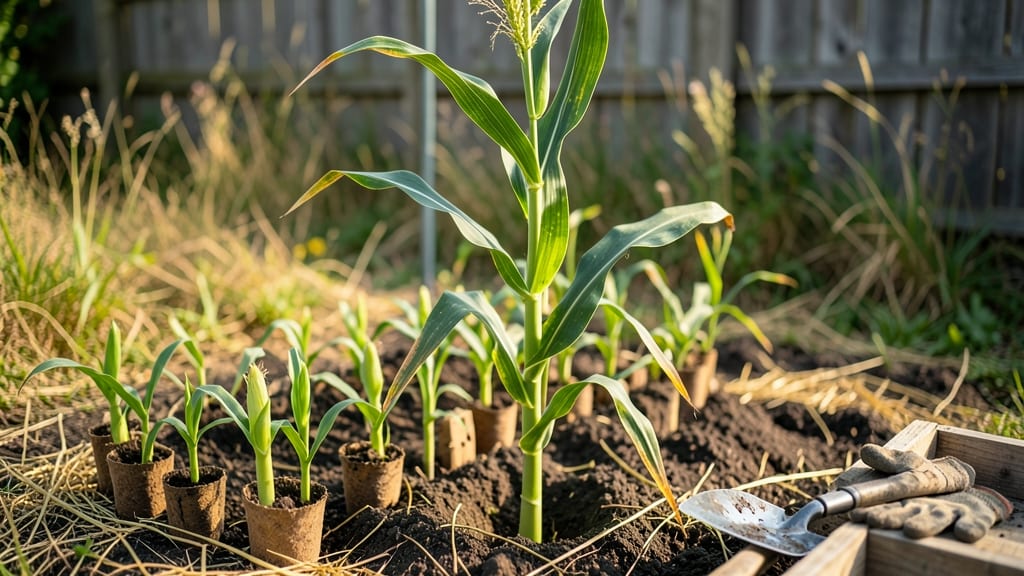
Planting corn in South Carolina at the wrong time can mean the difference between a bumper crop of sweet, juicy 🌽 and a sad, stunted harvest.
The key to success lies in understanding your local heat zones and frost dates—because waiting too long means missing the perfect window when soil temperatures hit that critical 60°F mark.
I’ve grown corn here for years, and I’ve learned the hard way that timing isn’t just about the calendar—it’s about the weather. In zones 7b-8a, your planting window opens in mid-April, but one late frost can throw everything off.
Let me show you exactly how to sync your planting schedule with South Carolina’s unpredictable spring, so you’re harvesting plump ears from July through October.
What if you could avoid the most common mistakes—like planting too early and inviting disease or waiting too late and ending up with poor pollination?
I’ll walk you through the 5 critical factors that shift your planting timeline, including soil type, variety choice, and even microclimates that can change your deadlines by weeks.
Ready to grow corn that’s so sweet it’ll make your neighbors jealous? Let’s dive into the exact dates, varieties, and tips you need to turn your South Carolina garden into a cornfield goldmine—without the guesswork.
South Carolina corn planting dates by heat zone (USDA 7b-8a guide)
South Carolina’s USDA heat zones 7b and 8a create distinct windows for planting sweet corn. In zone 7b (cooler northern regions), aim for mid-April to early May after the last frost—typically around March 15.
For zone 8a (warmer coastal areas), you can start as early as late March and extend planting until mid-May.
Corn seeds need soil temperatures above 60°F to germinate properly. Use a soil thermometer to confirm readiness—cold soil delays sprouting and invites rot. In zone 7b, wait until nighttime temps stay above 50°F consistently, while zone 8a gardeners can plant earlier due to milder winters.
For early-season varieties (60-70 days to maturity), plant in late March to early April to harvest by mid-July. Mid-season varieties (75-85 days) should go in mid-April to early May for August harvests. Late-season varieties (90+ days) need May planting to avoid fall frosts.
Here’s a quick reference for your heat zone and variety type:
| Heat Zone | Planting Window | Soil Temp Requirement | Harvest Window |
|---|---|---|---|
| USDA 7b (Northern SC) | Mid-April to early May | 60°F+ (nighttime 50°F+) | July to early September |
| USDA 8a (Coastal SC) | Late March to mid-May | 60°F+ (earlier planting) | June to October |
| Early Varieties (60-70 days) | Late March–early April | 60°F+ | Mid-July–early August |
| Mid-Late Varieties (75-90+ days) | Mid-April–May | 60°F+ | August–October |
Pro tip: Use black plastic mulch to warm soil faster in zone 7b, giving you a 2-week head start on planting. Lay it down 1-2 weeks before your target date for best results.
This trick is especially helpful for early-season varieties that need to mature before summer heat sets in.
If you’re in zone 8a, consider a second planting in June for a fall harvest. Choose fast-maturing varieties (60-70 days) to avoid frost. Just be sure to use shade cloth during peak summer to protect young plants from heat stress.
Always check your local frost dates—they can vary by 1-2 weeks even within the same zone. The SC State Climate Office offers free frost-free date maps to refine your planting schedule. Don’t skip this step—it’s the difference between plump ears and shriveled disappointment.
For succession planting, stagger seeds every 2 weeks until mid-June. This ensures a continuous harvest and reduces the risk of pest outbreaks or disease pressure from overcrowding. Just remember: late plantings need drought-tolerant varieties to survive summer dry spells.
🌽
5 Critical factors that shift your corn planting timeline in SC
South Carolina’s diverse microclimates mean your corn planting dates can vary by 2-4 weeks depending on where you live. Coastal areas like Charleston (USDA 8a) enjoy earlier planting than Piedmont regions like Columbia (USDA 7b). Even within 50 miles, soil type and rainfall can push your schedule forward or back.
First, check your local frost dates. While the state’s average last frost hovers around March 15, coastal zones may see frost-free conditions by February 28, while inland areas might wait until April 15.
Plant corn only after soil warms to 60°F+—use a soil thermometer to confirm.
Your corn variety’s maturity determines planting windows. Early varieties like ‘Silver Queen’ (60 days) can start in late March in Zone 8a, while late-season ‘Peaches and Cream’ (110 days) needs April 15-May 1 planting to harvest before frost. Match your variety to your frost-free window.
For succession planting, schedule 2-3 plantings every 2 weeks after your initial date to stretch harvests through October. Use black plastic mulch to warm soil faster in cooler zones, shaving 10-14 days off your planting timeline.
Pro tip: Plant a test row 1-2 weeks before your target date. If seedlings emerge uniformly within 7-10 days, you’ve hit the optimal window. If not, adjust for next year!