
Plants
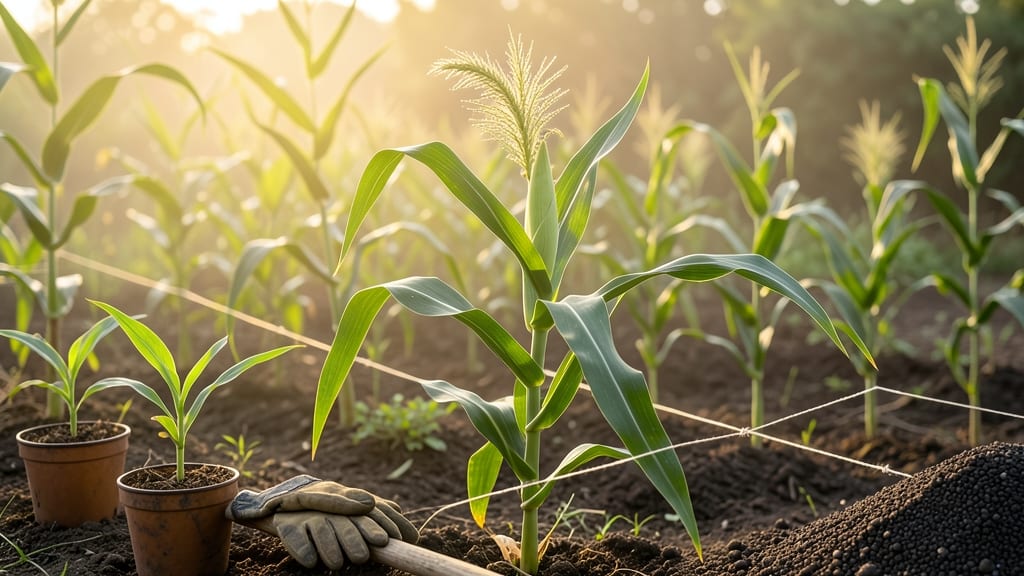
Timing your 🌽 corn planting in Indiana isn’t just about flipping a calendar—it’s about outsmarting frost, soil temperatures, and those infamous late-spring surprises that can turn your crop into a sad, stunted mess.
Most gardeners here wait for mid-April to early May, but that’s just the starting line. The real secret? Planting when soil hits 50°F at 4 inches deep—not when the thermometer says spring’s arrived.
Skip this step, and you risk seeds rotting or seedlings wilting before they even get a chance to grow.
In Indiana’s 6a zone, frost can linger until April 15th (or later in northern counties), which means rushing too early could leave your corn vulnerable. But wait too long, and you might miss the sweet spot for a full harvest by October.
We’ll break down the exact windows—plus pro tips to adjust for Indiana’s mood swings.
Ready to plant corn that thrives, not just survives? Let’s dig into the data so you can confidently drop those seeds when the stars (and soil) align.
Indiana corn planting dates by soil temperature (not just calendar dates)
Planting corn in Indiana isn’t just about checking the calendar—soil temperature is your true guide. Corn seeds need consistent warmth to sprout, and Indiana’s 50°F+ soil at 4-inch depth marks the green light.
Planting too early risks frost damage or slow germination, while waiting too long can shorten the growing season. Purdue Extension recommends mid-April to early May as the ideal window, but your exact dates depend on soil warmth and variety.
Early corn varieties can handle slightly cooler soils (50°F), while late varieties thrive at 60°F+. Northern Indiana (like LaPorte) often waits until mid-May due to later frost risks, while southern Indiana (like Evansville) can plant as early as late March in sheltered microclimates.
Always test your soil with a soil thermometer—it’s the only way to know for sure.
Here’s the golden rule: Wait until the soil stays above 50°F for at least 5 days. This ensures roots establish quickly and avoids the dreaded “waiting game” where seeds rot in cold soil.
In my garden, I’ve seen 3-week differences between years—2022’s warm spring let me plant by April 10, while 2023’s chill delayed me until May 1.
Corn also needs 120–150 frost-free days to mature, so late plantings in northern Indiana may only yield small ears or no harvest at all. Use this frost-free calculator from the USDA to estimate your local window: USDA Plant Hardiness Zone Map.
Pro tip: Plant early varieties (like ‘Silver Queen’) if you’re in Zone 5b to hedge against short seasons.
Direct sowing is the best method for corn—it dislikes transplanting. Start seeds 1 inch deep, 6–8 inches apart, and thin to 12 inches when plants reach 6 inches tall.
In Indiana, I’ve found that late April plantings (after the last frost) give the best balance of warm soil and long daylight for robust growth.
If you’re using row covers or a high tunnel, you can plant 2–3 weeks earlier to extend the season. But remove covers once plants emerge to prevent heat stress.
I once used row covers in early April and still got a full harvest—just be ready to monitor for condensation buildup.
Here’s a quick soil temp
Indiana corn planting dates by soil temperature (not just calendar dates)
Corn thrives when planted in warm soil, not just warm air. In Indiana, soil temperatures must reach 50°F at 4-inch depth for germination, but 60°F+ is ideal for faster growth.
Relying on calendar dates alone can backfire—late April frosts in northern Indiana often delay planting until mid-May, while southern Indiana may start as early as late March.
Purdue Extension recommends using a soil thermometer to track temperatures. Most Indiana gardens hit 50°F soil temp between mid-April and early May, but this varies by microclimate.
For example, Lake County (Zone 5b) may need to wait until May 1, while Lawrence County (Zone 6a) can plant by April 15.
| Soil Temp | Planting Window | Best Varieties | Notes |
|---|---|---|---|
| 50°F+ | Late March–April 15 | Early maturing (e.g., 'Silver Queen') | Southern Indiana only; risk of frost |
| 60°F+ | April 15–May 1 | Mid-season (e.g., 'Ambrosia') | Ideal for most of Indiana |
| 70°F+ | May 1–May 15 | Late maturing (e.g., 'Peaches and Cream') | Northern Indiana; avoid late frosts |
Corn seeds germinate best in consistently warm soil. If your soil is below 50°F, germination slows dramatically, leading to uneven sprouting or rot. For faster results, use black plastic mulch to raise soil temps by 5–10°F.
This is especially helpful in northern Indiana, where cold, wet springs are common.
Planting too early also increases pest pressure. Corn borers and cutworms thrive in cool, damp conditions. Aim to plant when your last frost date is at least 2 weeks behind you.
Use the USDA Plant Hardiness Zone Map to check your local risk—Indiana spans Zones 5b–6a, with northern areas needing later plantings.
For maximum yield, stagger plantings every 2 weeks to extend harvest time. Early varieties (60–75 days to maturity) can go in first, followed by mid-season (90–100 days) and late varieties (100+ days). This ensures a continuous supply of fresh ears from late July to October.
Pro tip: If your soil is still cold by mid-May, consider container growing or a raised bed with compost-heated soil. This gives you a 2–3 week head start on the season—critical for Indiana’s short growing window.