
Plants
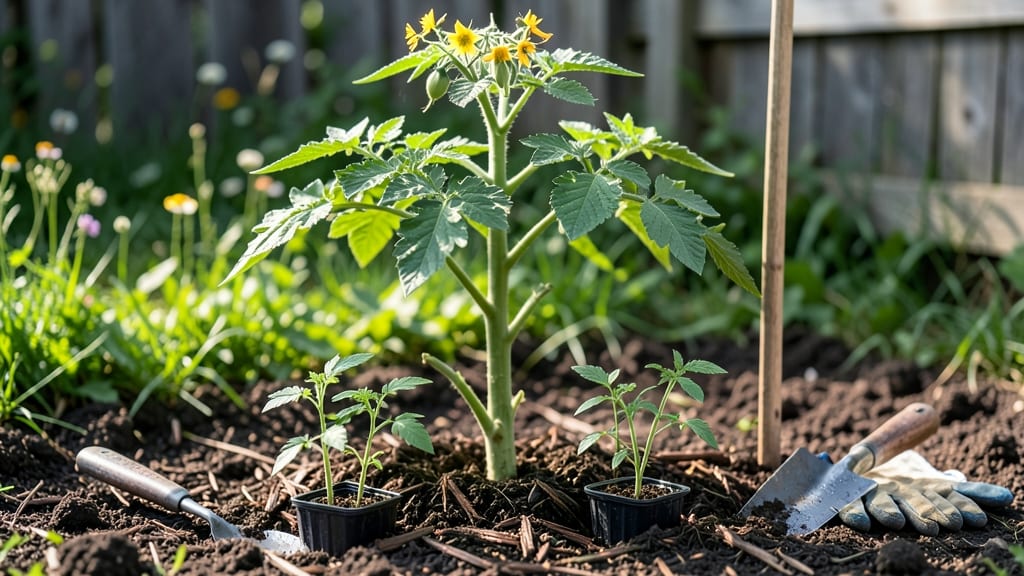
Planting tomatoes in California isn’t a one-size-fits-all task—your coastal fog belt might be ready for seedlings while inland deserts still face frost risks. With 10+ distinct microclimates, timing can make or break your harvest. Get it wrong, and you’ll face stunted growth, heat stress, or even lost plants.
I’ve spent years tracking California’s planting windows, and the key is understanding your local frost-free dates. Whether you’re in Zone 7a’s coastal chill or Zone 10b’s desert heat, soil temperature and elevation play huge roles.
Let’s break down the exact months for your region—and how to adjust for succession planting.
You’ll discover how to start seeds indoors 6-8 weeks before your last frost date, when to transplant for maximum yield, and which varieties thrive in your microclimate. No more guessing—just data-driven planting that guarantees a bountiful summer-to-fall harvest.
Ready to avoid common mistakes like planting too early in foggy areas or ignoring heat-tolerant varieties? I’ll show you how to use USDA Zone maps, real-time weather tools, and even row covers to extend your growing season. Let’s get those 🍅 plants in the ground at the perfect time!
California tomato planting zones: frost-free dates by region (with exact months)
California’s tomato planting success hinges on understanding your microclimate. The state’s frost-free dates can shift by months from coastal areas to the Central Valley. For example, San Francisco may see last frosts in March, while Bakersfield typically waits until April 15th.
These differences mean heirloom varieties thrive in cooler zones, while heat-tolerant hybrids dominate inland regions.
Tomatoes need consistent warmth—soil temps should stay above 55°F (13°C) for germination. In coastal fog zones, this often means delaying planting until May or June. Meanwhile, desert regions like Palm Springs can start as early as February without frost risk.
Always check your local frost dates from the USDA Plant Hardiness Zone Map or Almanac.
Here’s a breakdown of ideal transplant windows by California region, including last-frost averages and heatwave risks:
| Region | Last Frost Date | Ideal Transplant Window | Notes |
|---|---|---|---|
| Northern Coast (San Francisco, Santa Cruz) | Mid-March | Late May – June 15 | Use row covers for early starts; heirlooms preferred. |
| Central Coast (Monterey, Santa Barbara) | Late February | April 15 – May 15 | Heat-tolerant varieties like ‘Solar Fire’ work well. |
| Central Valley (Sacramento, Fresno) | Mid-April | March 15 – April 30 | Soil warms quickly; succession plant every 2 weeks. |
| Southern California (Los Angeles, San Diego) | December – January | February – March | Year-round planting possible in desert zones. |
| Desert (Palm Springs, Joshua Tree) | Never (frost-free) | February – October | Use shade cloth in peak summer heat. |
For coastal gardeners, I recommend starting seeds indoors in March to transplant by May. This gives seedlings time to mature before cooler ocean breezes slow growth. In contrast, Central Valley gardeners can direct-sow seeds as early as March once soil temps hit 60°F (16°C).
Always monitor soil temperature with a soil thermometer—it’s the most reliable indicator.
Another critical factor is heatwave timing. Regions like Bakersfield can experience 100°F+ (38°C+) temps by June, which stresses tomato plants unless you choose heat-resistant varieties like ‘Heatmaster’ or ‘Solar Set.’ In these areas, succession planting in late summer (August–September) ensures a fall harvest before cooler weather arrives.
If you’re in a transition zone (e.g., San Francisco Bay Area), consider staggered planting. Start with early-season varieties like ‘Stupice’ in May, then follow with mid-season types in June.
This spreads your harvest window and reduces risk from unpredictable weather. For organic gardeners, focus on compost-rich soil to improve heat tolerance and disease resistance.
One common mistake is assuming USDA Zone 9 applies uniformly across California. While Los Angeles and Riverside share the same zone, their microclimates differ dramatically. For example, Malibu’s coastal fog can delay planting by 4–6 weeks compared to inland Ventura. Always check local weather patterns—tools like MesoWest or <
How to adjust planting dates for your local microclimate (even within the same county)
California’s microclimates can create 100-degree temperature swings just 20 miles apart. A coastal garden in Santa Cruz might see frost in May, while Central Valley farms in Fresno are already baking by then.
Your USDA Zone alone won’t cut it—you need to account for elevation, fog patterns, and urban heat islands.
Start by checking your last frost date (use the Western Regional Climate Center for local averages). Then add 2-4 weeks for seedlings to harden off before transplanting.
For example, if your last frost is April 15, plant heirloom tomatoes by May 1 for coastal areas, but heat-tolerant varieties can go in as early as March 15 in the Central Valley.
Here’s my step-by-step microclimate adjustment guide to avoid common pitfalls like blossom drop from temperature swings or heat stress in desert areas:
🌡️ Microclimate Adjustments for Tomatoes
- Coastal Areas: Wait until soil temps hit 60°F (use a soil thermometer)—often late May to June. Fog delays warming.
- Central Valley: Plant early March for heat-tolerant varieties (e.g., 'Heatmaster'). Avoid cherry tomatoes—they bolt in summer heat.
- Desert Regions: Start indoors by February and transplant by late March. Use shade cloth for seedlings.
- Mountain Foothills: Add 10–14 days to frost dates—cold air pools in valleys. Try early-maturing varieties like 'Stupice'.
- Urban Heat Islands: Plant 2 weeks earlier than rural areas. Mulch with straw to cool roots.
💡 Pro Tip: Use MesoWest or NOAA’s Climate Data for hyper-local adjustments. A 500-foot elevation gain can delay planting by 1–2 weeks.
For succession planting, stagger transplants every 2–3 weeks to extend your harvest. In coastal zones, a row cover can push your last planting date into July for fall tomatoes. Just remove covers when temps hit 85°F to prevent heat stress.
If you’re unsure about your microclimate, test your soil temperature for 3 days before planting. Tomatoes need consistent warmth—cold soil (50°F) stunts root growth. Use a black plastic mulch to warm soil 5–10°F faster in cooler areas.
Remember: Heat-tolerant varieties (like 'Solar Fire') can handle 95°F+, but even they need afternoon shade in desert climates. Adjust your watering schedule too—drip irrigation keeps roots cool in summer.