
Planting
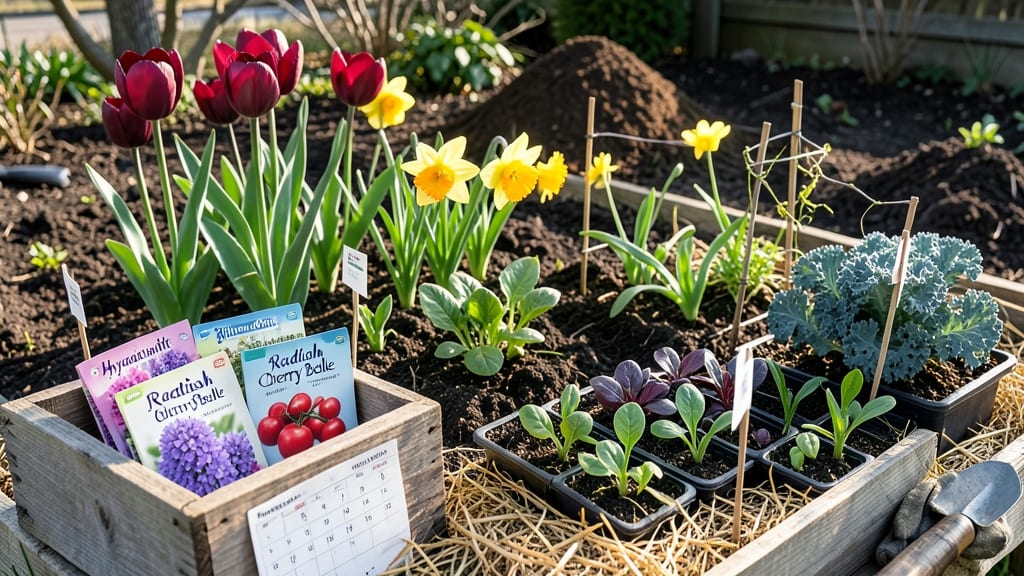
When do you plant a garden in Ohio at the wrong time, and you could end up with a harvest that’s either sparse or nonexistent—especially when last frost dates vary wildly from April 15 in southern Ohio to weeks later in the north.
I’ve planted 50+ varieties across Ohio’s 6a zone, and the perfect window isn’t just “spring”—it’s mid-April to mid-May for most crops, with critical adjustments for heat-lovers like tomatoes or cold-tolerant greens.
What you’ll discover here are the exact months to plant each crop, how to spot frost risks in your microclimate, and pro tips to extend your season—so you’re harvesting from June through October without guessing.
Let’s turn your Ohio garden from a gamble into a predictable success with science-backed timing that matches your local conditions.
Ohio planting calendar by crop type: frost dates and hardiness zones
Ohio’s USDA Zones 5-6 mean your planting schedule depends on whether you’re in northern Ohio (Zone 5) or southern Ohio (Zone 6). The average last frost date ranges from April 15 in the north to May 15 in the south, but microclimates can shift this by weeks.
Warm-season crops like tomatoes and peppers need soil temperatures above 50°F (10°C), while cool-season crops like spinach and peas thrive when soil is 40°F (4°C).
Timing is everything: Plant cold-hardy crops like kale and lettuce 4-6 weeks before your last frost, while warm-loving plants like basil and cucumbers should wait until 2 weeks after the last frost.
Ohio’s first frost typically arrives between October 10 and November 1, giving you a 165-day growing season in most areas.
| Crop Type | Planting Window | Soil Temp Requirement | Notes |
|---|---|---|---|
| Cold-Hardy Vegetables (Spinach, Peas, Lettuce) | Early March–April (4-6 weeks before last frost) | 40–50°F (4–10°C) | Can handle light frost; succession plant every 2 weeks. |
| Warm-Season Vegetables (Tomatoes, Peppers, Cucumbers) | Mid-May–June (after last frost) | 50–60°F (10–15°C) | Use row covers for early starts; transplant seedlings after danger of frost. |
| Flowers (Marigolds, Zinnias, Petunias) | April–May (after frost) or August (fall blooms) | 50°F (10°C) minimum | Annuals need consistent moisture; perennials like coneflowers can go in spring or fall. |
| Herbs (Basil, Cilantro, Dill) | Late April–May (after frost) or August (for fall harvest) | 55–65°F (13–18°C) | Basil bolts in heat; cilantro prefers cooler weather. |
| Perennials (Daylilies, Lavender, Hostas) | Spring (April–May) or Fall (September–October) | 50°F (10°C) minimum | Fall planting gives roots time to establish before winter. |
For northern Ohio (e.g., Cleveland, Toledo), err on the side of delaying warm-season plants until May 15 to avoid late frosts.
In southern Ohio (e.g., Cincinnati, Columbus), you can plant 2 weeks earlier and even squeeze in a second planting of beans or cucumbers in early July for a late-summer harvest. Always check your local Almanac’s frost predictions—they’re updated yearly!
Pro tip: Use biodegradable row covers to extend your spring planting window by 2–3 weeks. These protect seedlings from light frosts while letting sunlight through. For warm-season crops, harden off seedlings indoors for 7–10 days before transplanting to avoid shock.
Ohio’s short growing season demands efficiency. Prioritize fast-maturing varieties like bush beans (50 days) or radishes (25 days) if you’re in Zone 5. In Zone 6, you can afford slightly slower growers like zucchini (50–60 days) or green beans (60 days).
Always read seed packets—they list days to maturity based on your last frost date!
Don’t forget succession planting: After harvesting early lettuce or radishes, replant the same spot with bush beans or carrots to maximize your garden’s output. This works especially well in raised beds, where soil warms faster in spring.
If you’re new to Ohio gardening, start with cool-season crops in early spring—they’re forgiving if frost hits. Save tomatoes and peppers for after Memorial Day, when the risk of frost drops to nearly zero. And always keep a garden journal to track your local frost dates year after year!
🌱
How to adjust planting times for Ohio’s microclimates and frost risks
Ohio’s diverse microclimates mean your neighbor’s perfect planting dates might fail in your yard. Urban areas like Columbus can be 5–10°F warmer than rural zones, while lake-effect cooling near Lake Erie delays spring.
Even elevation changes of 100 feet can shift frost dates by 1–2 weeks. Without adjustments, you risk frost damage or stunted growth.
Start by checking your local frost dates. While Ohio’s average last frost is April 15–May 15, urban heat islands may push yours to April 1–15, while northern areas (e.g., Toledo) often see frost until May 10.
Use tools like the National Weather Service’s frost prediction maps or your local Cooperative Extension office for hyper-local data.
Soil temperature matters just as much as air temperature. Most warm-season crops (tomatoes, peppers) need soil at 60°F+ to thrive. A soil thermometer ($10–$15) reveals when it’s safe to plant—even if flowers bloom early. In cooler microclimates, wait until May 1–15 for these heat-lovers.
Row covers and cold frames can extend your season by 2–4 weeks in both spring and fall. For example, use floating row covers to plant spinach or lettuce as early as March 15 in southern Ohio.
In northern zones, wait until April 1. These tools also protect tender seedlings from late frosts, which can hit as late as May 20 in some areas.
Watch for microclimate warnings like:
- Urban areas: Concrete absorbs heat—plant heat-tolerant crops (okra, sweet potatoes) earlier.
- Lake-effect zones: Delay planting cool-season crops (peas, carrots) by 1–2 weeks near Lake Erie.
- Hills/slopes: South-facing slopes warm faster; north-facing areas stay cold longer.
If you’re unsure, start with cold-hardy crops like kale, Swiss chard, or radishes in early April. These tolerate light frosts and buy you time to observe your microclimate. For warm-season plants, consider starter plants from nurseries—they’re already adapted to Ohio’s short growing season (about 165 frost-free days).
Fine-tuning your schedule now means bigger harvests and fewer losses. Use these adjustments, and your Ohio garden will thrive—no guessing required! 🌱