
Plants
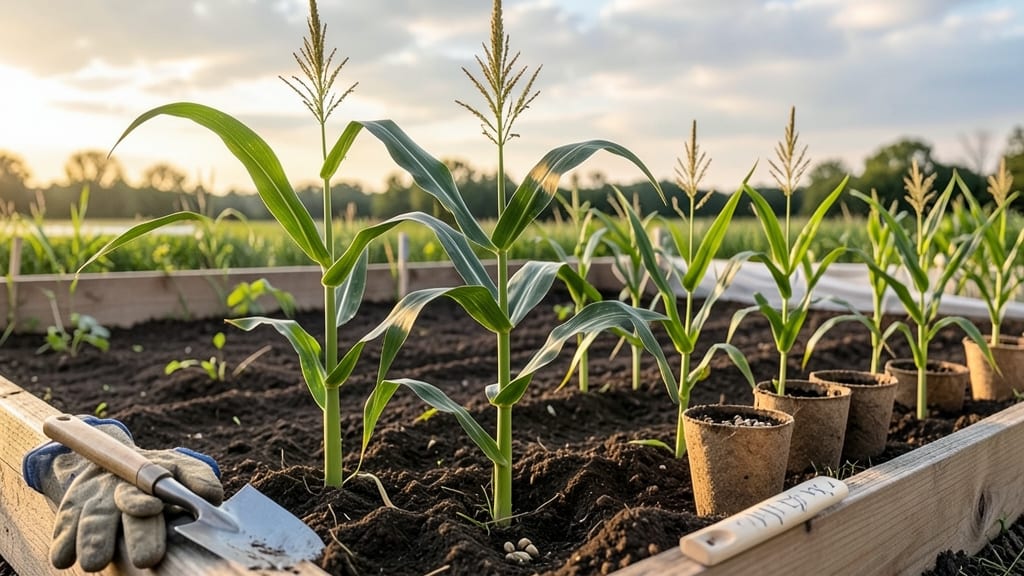
Knowing when to plant corn in Pennsylvania could make or break your harvest—especially in USDA Zone 5b-6a, where frost lingers longer than in warmer regions. Plant too early, and a late freeze will turn your tender seedlings into crispy snacks for crows.
Wait too long, and you might miss the sweet spot for a full-size crop before fall sets in.
I’ve spent years watching my 🌽 corn thrive (and sometimes struggle) in Pennsylvania’s unpredictable spring weather, and the key isn’t just the calendar—it’s understanding your microclimate.
Whether you’re in Pittsburgh’s cooler hills or Philadelphia’s milder lowlands, the right timing ensures your plants have enough warmth to grow tall and sweet before the first frost sneaks in.
In this guide, I’ll break down the exact mid-April to mid-May window that works for most gardeners, plus how to adjust for early or late varieties.
You’ll also learn how to prep your soil, avoid common mistakes (like planting too shallow or ignoring frost warnings), and even pair your corn with the best companion plants for a bumper crop.
Ready to turn your garden into a cornucopia? Let’s get those seeds in the ground at the perfect moment—so you can enjoy fresh ears by late summer. The difference between a sparse harvest and a towering stalk of golden 🌽 corn often comes down to timing. Let’s nail it.
Optimal corn planting dates in Pennsylvania by USDA Zone 5b-6a
Pennsylvania's USDA Zones 5b-6a offer a 165-day growing season, but corn thrives best when planted after the last frost date. For most areas, this means mid-April to mid-May, though exact timing varies by region.
Northern PA (Zone 5b) has a shorter season, while southern PA (Zone 6a) can extend planting slightly later. Always check your local frost-free date—it’s your planting deadline.
Corn seeds need soil temperatures above 50°F to germinate properly. In Pennsylvania, this typically happens by late April to early May. Using a soil thermometer is the best way to confirm readiness.
If your soil is still cold, wait—corn won’t grow well in chilly conditions, and you risk stunted plants or poor germination.
For early-season varieties, aim to plant by May 1st in Zone 5b and by May 15th in Zone 6a. These varieties mature in 60-75 days, so timing is critical to avoid fall frosts. Mid-season varieties (75-90 days) can be planted up to June 1st, while late-season varieties (90+ days) should go in by May 15th to ensure harvest before frost.
Regional microclimates matter! Cities like Pittsburgh (Zone 6a) can plant 1-2 weeks later than rural areas in Erie (Zone 5b). Philadelphia’s coastal influence also allows slightly later plantings. Always adjust based on your specific location—your neighbor’s schedule might not work for you.
Corn is a warm-season crop, so rushing planting is a common mistake. If you plant too early and hit frost, your seeds will rot. Wait until the soil is warm and frost is no longer a threat.
Patience here ensures strong, healthy plants ready to produce plump, sweet ears.
🌽 Pennsylvania Corn Planting Schedule by Zone
| Zone | Last Frost Date | Ideal Planting Window | Soil Temp Requirement | Variety Type |
|---|---|---|---|---|
| 5b (Northern PA) | Mid-April | Late April - May 1 | 50°F+ | Early (60-75 days) |
| 6a (Southern PA) | Early April | Late April - May 15 | 50°F+ | Early/Mid (75-90 days) |
| Both Zones | N/A | June 1 (Late Varieties) | 55°F+ | Late (90+ days) |
💡 Pro Tip: Plant in blocks (not rows) for better pollination and higher yields!
If you’re unsure about your exact last frost date, use the 50°F soil temperature as your guide. Corn seeds won’t germinate below this threshold, so don’t rush.
For Pittsburgh and Erie, stick to late April plantings, while Philadelphia and Harrisburg can plant up to mid-May for late-season varieties.
Succession planting is key for a continuous harvest. After your first planting, add new seeds every 2 weeks up to June 1st. This ensures fresh ears throughout the summer. Just remember: each planting should have its own dedicated space to avoid overcrowding and poor pollination.
Corn loves warmth and sunlight, so choose a south-facing location with at least 6-8 hours of direct sun daily. Avoid low-lying areas where cold air pools—these spots can delay warming and increase frost risk. A slightly elevated spot with good airflow will give your corn the best start.
For gardeners in Zone 5b, focus on early-maturing varieties like 'Early Sunglow' or 'Silver Queen'. These reach harvest in 70-75 days, ensuring you beat the first frost. In Zone 6a, you can experiment with mid-season varieties like 'Peaches and Cream' or 'Bodacious' for sweeter, larger ears.
Mark your calendar now! The best time to plant corn in Pennsylvania is after your last frost
How to adjust planting time for maximum corn yield in PA
Pennsylvania’s variable climate means soil temperature and frost risks can throw off even the best-laid planting plans. If your last frost date arrives late or soil stays cold, don’t panic—adjusting your planting window with these strategies can still deliver a bountiful harvest.
First, test your soil temperature with a soil thermometer. Corn seeds need 50-60°F soil to germinate reliably.
If temperatures dip below this, wait until conditions warm up—even if it means delaying planting by a week or two. Cold soil causes seeds to rot before sprouting, wasting your time and resources.
For gardeners in northern PA (Zone 5b), consider using row covers or plastic tunnels to create a warmer microclimate. These tools can push your planting window back by 2-3 weeks without risking frost damage. Just remove covers once plants reach 6 inches tall to avoid overheating.
🌱 Warning: Avoid These Planting Mistakes
- Planting too early when soil is below 50°F—seeds won’t germinate.
- Skipping soil prep—corn thrives in loamy, well-drained soil with compost added.
- Ignoring frost warnings—even young seedlings can’t survive 28°F or below.
If you’re eager for an early harvest, try succession planting every 2 weeks after your initial planting date. This stretches your harvest window from July to October, ensuring fresh ears all season.
For example, plant your first batch in late April, then follow up with early May and mid-May batches.
For late-season varieties, like ‘Golden Bantam’ or ‘Country Gentleman’, you can push planting into early June—just ensure they mature before the first frost. These varieties take 90-110 days to harvest, so time it right to avoid wasted effort.
Finally, mulch your corn plants with straw or grass clippings to retain moisture and warmth. This helps young seedlings establish faster and reduces the risk of soil temperature fluctuations. Mulch also suppresses weeds, giving your corn the competitive edge it needs to thrive.
With these adjustments, you’ll turn Pennsylvania’s unpredictable spring into your corn-growing advantage. 🌽