
Plants
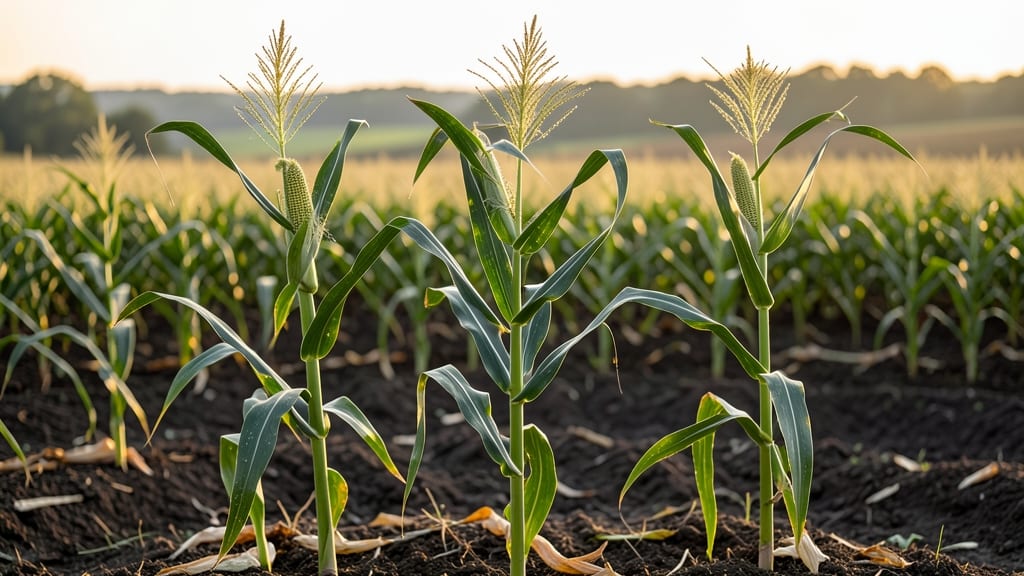
If you're wondering "how tall does a corn plant grow", the answer might surprise you—some varieties stretch toward the sky like 10-foot skyscrapers, while others stay compact and manageable.
Whether you're planning a backyard garden or a large farm plot, knowing your corn's potential height is key to spacing, support, and even harvest success. Let’s break down the differences between dwarf, semi-dwarf, and standard 🌽 varieties so you can choose the perfect fit for your space and goals.
Picture this: a towering corn plant brushing against your roof, or a neat row of shorter varieties that fit perfectly in a small garden. The height of your corn isn’t just about aesthetics—it directly impacts how you plant, water, and even fertilize.
For example, taller varieties need sturdy stakes or trellises to prevent lodging (when stalks flop over), while shorter types thrive in tight spaces without extra support. Understanding these differences helps you avoid common mistakes that can stunt growth or reduce yields.
But here’s the thing: height isn’t the only factor. Soil quality, sunlight exposure, and even your local climate play a huge role in how tall your corn will grow.
In USDA Zone 6a, where spring planting kicks off in April and harvests arrive by September, giving your corn the right conditions can make all the difference. Let’s dive into the specifics—so you can grow corn that’s not just tall, but thriving.
Ready to transform your garden? You’ll discover the exact spacing needs for each variety, how to support taller stalks, and the best practices to ensure your corn reaches its full potential. No guesswork—just practical tips to turn your corn patch into a productive (and impressive) harvest.


Corn plant height by variety: the ultimate growth chart
Corn plants are architectural wonders in the garden, with some varieties stretching toward the sky like natural skyscrapers while others remain manageable for smaller spaces. The average corn plant height ranges from 3 feet for dwarf varieties to a towering 12 feet for giant field corn.
Understanding these differences helps you plan your garden layout, choose trellising options, and even select varieties that fit your space—whether you have a sprawling backyard or a cozy balcony garden.
Most home gardeners grow sweet corn varieties, which typically reach 6 to 10 feet tall at maturity. These plants need ample space to avoid shading each other, which can reduce ear size and quality.
The height of your corn isn’t just about vertical growth—it’s also tied to stalk thickness, ear placement, and leaf density, all of which impact how well your plants support their own weight and resist wind damage.
Dwarf corn varieties (like 'Tom Thumb' or 'Golden Bantam') are perfect for containers or small gardens, maxing out around 3 to 5 feet. These compact plants produce smaller ears but are ideal for early harvests and can even be grown indoors with sufficient light. On the opposite end, field corn and some heirloom varieties can surpass 10 feet, making them better suited for rural gardens or areas with minimal foot traffic.
Here’s a quick breakdown of how corn height varies by type and why it matters for your garden:
The ear placement on the stalk is another critical factor tied to height. In taller varieties, ears often form higher up, making them harder to reach without a ladder or stool. Shorter varieties place ears at mid-stalk height, which is more accessible for hand-pollination or pest monitoring.
If you’re growing corn in a small space, consider bush varieties like 'Golden Midget'—they produce ears along the stalk rather than just at the top, increasing your yield per plant.
For gardeners in USDA Zones 5–9, most sweet corn varieties thrive, but taller types may need staking or trellising to prevent lodging (when plants fall over). Use bamboo stakes or corn cages for varieties over 7 feet tall, especially in windy areas.
Even dwarf varieties benefit from light support if you’re growing them in containers or hanging baskets, as their thinner stalks can bend under the weight of ears.
One common misconception is that taller corn always means bigger ears. While height can indicate maturity and vigor, ear size is more closely tied to genetics, soil fertility, and pollination success.
For example, 'Silver Queen' (a standard variety) produces large ears despite its 7–9 foot height, while some dwarf varieties like 'Peaches and Cream' yield smaller but sweeter ears. Focus on spacing and sunlight to maximize ear development, regardless of height.
If you’re experimenting with unusual corn varieties, like blue corn or
Optimal spacing for corn plants by height and variety
Corn plants need the right spacing to grow tall and strong—crowding them can stunt growth, reduce yields, and even invite pests. The spacing rules depend on your corn’s mature height and variety.
For dwarf varieties (3-5 ft), you can plant them 12 inches apart in rows spaced 2 feet apart. But for standard varieties (6-10 ft), aim for 18-24 inches apart in rows 3 feet apart to give roots room to spread.
Taller corn varieties, like ‘Mammoth’ or ‘Country Gentleman’, need even more space—up to 36 inches apart in rows 4 feet apart.
This prevents stalks from leaning or breaking under their own weight. Double-row planting (two rows side by side) is popular for home gardens, but even then, keep rows 3 feet apart to avoid shading.
🌽 Corn Spacing Guide by Variety
| Variety Type | Plant Spacing | Row Spacing | Best For |
|---|---|---|---|
| Dwarf (3-5 ft) | 12" | 2 ft | Containers, small gardens |
| Semi-Dwarf (5-7 ft) | 18" | 3 ft | Home gardens, double rows |
| Standard (6-10 ft) | 24-36" | 3-4 ft | Large gardens, trellising |
💡 Pro Tip: Use a measuring tape to mark rows before planting for precision.
Tall corn varieties often benefit from trellising or staking to support their height. Install bamboo stakes or wire trellises at planting time, tying stalks loosely with soft garden twine as they grow.
This prevents stalks from bending over and ensures even sunlight exposure for all ears. For giant varieties like ‘Lodgers’, consider a corn trellis system with multiple supports.
Pollination is another critical factor in spacing. Corn is wind-pollinated, so plants must be close enough for pollen to transfer but far enough apart to avoid competition. Single-row planting works for small gardens, but double-row planting (two rows side by side) increases pollination success.
Just ensure the rows aren’t so tight that stalks block airflow, which can lead to fungal diseases like corn smut.
If you’re growing corn in containers or raised beds, choose dwarf or semi-dwarf varieties and space them 12-18 inches apart. Use large pots (at least 18 inches deep) with well-draining soil to prevent root bound issues.
For in-ground planting, amend the soil with compost or aged manure to provide nutrients for tall growth.
Finally, always adjust spacing based on your local climate. In hot, dry regions, wider spacing improves airflow and reduces stress. In cooler climates, slightly tighter spacing can help retain soil warmth.
Monitor your plants early—if stalks lean or ears develop unevenly, it’s a sign to adjust spacing or add support.